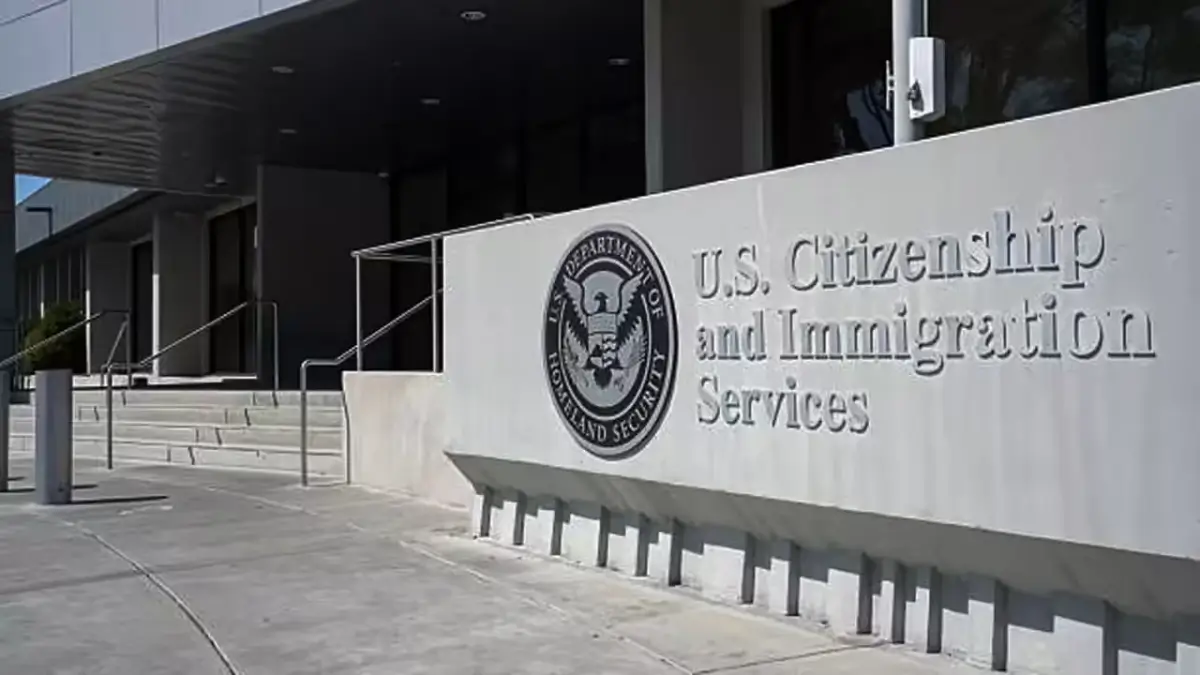
In a major procedural change, the US Citizenship and Immigration Services (USCIS) has stopped accepting cheques and money orders for all immigration-related filings. Starting this week, applicants must now authorise payments through electronic debit using Form G-1650, which allows the agency to withdraw funds directly from a US bank account.
According to USCIS spokesperson Matthew J. Tragesser, this shift aims to make the agency’s payment process safer, faster, and more efficient. Over 90% of previous payments were made through cheques or money orders, leading to delays, fraud risks, and payment errors. Tragesser stated, “America deserves better, and we intend to deliver.”
H-1B Applicants Can Still Use Credit Cards
While cheque payments are no longer accepted, credit card payments remain an option for specific visa categories. Applicants filing under the H-1B program, green card, or employment authorisation requests can use Form G-1450 to pay via credit card.
For employers filing multiple H-1B petitions, the change could simplify record-keeping and payment tracking, reducing administrative mistakes. However, it also requires closer coordination between finance departments and immigration attorneys to ensure timely authorisation and fund availability.
Impact on International Students and New Arrivals
The rule change may create challenges for international students and new visa holders. Many F-1 students arriving in the US for the first time often don’t have a US bank account, making it difficult to authorise debit payments. Similarly, H-1B employees or dependents applying from abroad could face hurdles if they lack access to US banking facilities.
USCIS has advised applicants to verify account and routing numbers carefully before submitting Form G-1650. Any incorrect or incomplete details can lead to application rejection. Applicants should also confirm with their bank that government debits are allowed and that sufficient funds are available.
Alternative Payment Options
For those without access to a US bank, prepaid or reloadable credit cards may serve as a temporary payment option. However, immigration lawyers caution that these cards must meet the USCIS payment authorisation standards to be accepted.
Experts recommend that applicants set up US bank accounts early or work with authorised representatives to ensure compliance before filing applications.
A Step Toward a Fully Digital Future
Immigration experts view this transition as part of USCIS’s broader digital transformation. By eliminating manual payments, the agency hopes to reduce paperwork, prevent fraud, and accelerate application processing.
However, experts also warn that the move leaves little room for manual corrections or late payments, putting more responsibility on applicants to ensure payment accuracy. For international applicants, preparing ahead—such as opening US bank accounts or confirming authorisations—can help avoid costly delays or rejections.


 Which Chemical is known as the King of C...
 CNG vs LPG Explained: Differences, Benef...
 What is LPG Gas? Uses, Benefits, and Int...