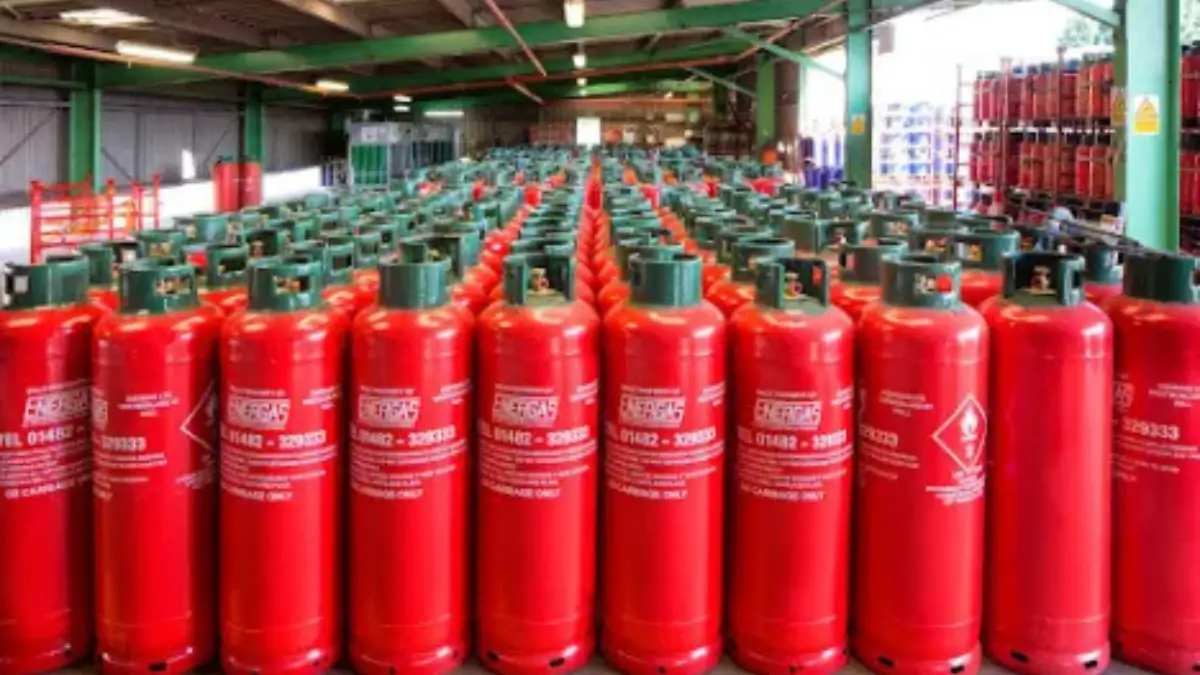
Did you know that millions of homes around the world depend on a clean and efficient fuel for everyday cooking and heating? This widely used fuel has become an important part of modern life because it is easy to store, transport, and use. It plays a major role in households as well as in many industries.
In many countries, families rely on this fuel for preparing meals quickly and safely. It burns with a clean flame and produces less smoke compared to many traditional fuels. Because of this, it is considered a more convenient option for daily household activities.
Interestingly, this fuel is not only used in homes but also in restaurants, factories, and even vehicles in some places. Its versatility and efficiency make it useful in several sectors of the economy.
Another fascinating fact is that this fuel is stored in special cylinders or tanks and can easily change from liquid to gas when released. This unique property makes it practical for storage and transportation.
In the following sections, we will explore what this fuel actually is, how it works, its common uses, and some interesting facts that make it so widely used around the world.
What is LPG Gas?
LPG stands for Liquefied Petroleum Gas, a commonly used fuel made from hydrocarbon gases. It mainly contains propane and butane, which are gases at normal temperature but can easily be converted into liquid form when stored under pressure.
When LPG is compressed inside strong cylinders or tanks, it turns into a liquid. This liquid form makes it easier to store and transport. When the cylinder valve is opened, the liquid quickly turns back into gas and can be burned as fuel.
LPG burns with a clean flame and produces less smoke compared to fuels like coal, wood, or kerosene. Because of this property, it is widely used in homes, restaurants, industries, and even vehicles.
Another important advantage is that LPG does not require long pipelines like natural gas. It can be delivered easily in cylinders to homes and businesses, making it accessible even in remote areas.
How LPG Gas is Formed?
LPG is not produced separately from the ground. Instead, it is obtained during two major processes in the energy industry.
Crude Oil Refining
When crude oil is processed in refineries, it is heated and separated into different petroleum products such as petrol, diesel, kerosene, and gases. Some of these gases are collected and processed to produce LPG.
Natural Gas Processing
LPG is also obtained during the extraction of natural gas. Natural gas contains several gases, including methane, propane, and butane. During processing, propane and butane are separated and converted into LPG.
Liquefaction and Storage
After separation, these gases are compressed and cooled so they turn into liquid form. This liquid is then stored in strong cylinders or tanks for safe transportation and use.
Uses of LPG Gas
LPG is known for its versatility because it can be used in many different areas of daily life and industry.
Household Cooking
One of the most common uses of LPG is in home kitchens. LPG gas stoves provide quick heat, making cooking faster and more convenient.
Home Heating
In colder regions, LPG is used for room heating and water heating, especially in places where natural gas pipelines are not available.
Industrial Applications
Many industries use LPG for heating, cutting metals, soldering, and operating various machines. It is also used in manufacturing processes that require controlled heat.
Transport Fuel
Some vehicles run on LPG as an alternative fuel. LPG-powered vehicles produce fewer emissions compared to petrol or diesel vehicles.
Agriculture
Farmers use LPG for drying crops, heating greenhouses, and controlling pests in agricultural processes.
Benefits of LPG Gas
LPG offers several advantages that make it one of the most preferred fuels in the world.
Cleaner Fuel
LPG burns more cleanly than many traditional fuels such as coal, wood, and kerosene. It produces fewer harmful gases and less smoke, which helps reduce air pollution.
High Energy Efficiency
LPG produces a strong flame and high heat output. This means it can cook food faster and use less fuel compared to some other energy sources.
Easy Storage and Transportation
Since LPG can be stored in liquid form in cylinders, it is easy to transport and supply to different places, including rural areas.
Cost Effective
LPG is often more economical for cooking and heating compared to fuels like petrol, diesel, or electricity in some applications.
Convenient to Use
LPG appliances are simple to operate, and the flame can be easily controlled. This makes it safe and convenient for everyday use.
Interesting Facts About LPG
LPG has some fascinating features that many people may not know.
- One interesting fact is that LPG has no natural smell. A special odor is added to it so that people can easily detect leaks for safety.
- Another fact is that LPG can be used both as a liquid and a gas, depending on storage and usage conditions.
- LPG is also considered one of the most energy-efficient cooking fuels, often providing up to 90% cooking efficiency compared to traditional fuels like firewood.
- It is also widely used around the world because it can be stored easily in cylinders and transported without the need for pipelines.


 Which is the largest Coriander Producing...
 Which is the Most Consumed Beverage in t...
 Which is the Only Continent with No Tree...