
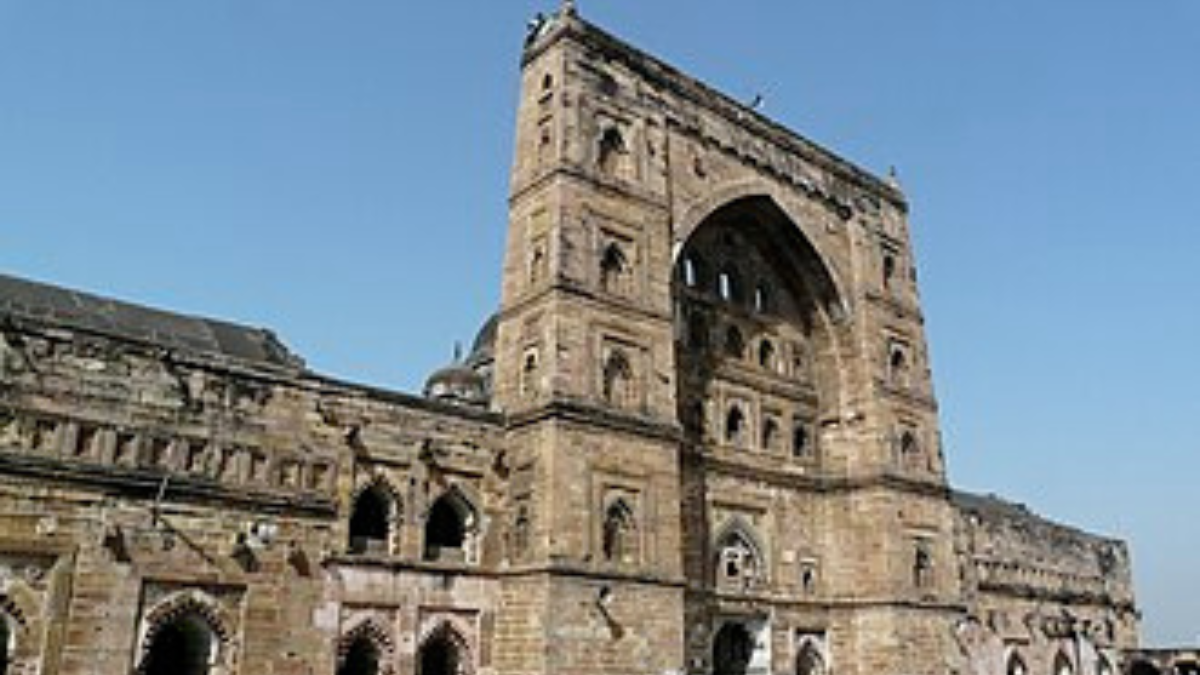
Jaunpur, a historic district in Uttar Pradesh, is known for its rich cultural heritage, ancient architecture and deep historical roots. Situated on the banks of the Gomti River, it has been home to many rulers, dynasties, and traditions over the centuries. With its grand monuments and vibrant past, Jaunpur’s history is filled with fascinating stories, including the different names it has been known by through times.
A Historic City on the Banks of the Gomti River
Jaunpur is a historic district in the Purvanchal region of Uttar Pradesh, situated along the banks of the Gomti River, It lies about 55 kilometers northwest of Varanasi and shares its borders with districts like Azamgarh, Ghazipur and Prayagraj. This ancient town is known for its rich cultural heritage, architectural beauty and significant contributions to education and literature.
Jaunpur’s Place in Indian History
Jaunpur has seen the rule of several dynasties over the centuries:
- 1194 CE: Qutb-ud-din Aibak defeated the local ruler Udaypal and took control.
- 1393 CE: Malik Sarwar Khwaja, a minister under the Tughlaq dynasty, established the Sharqi dynasty here and made Jaunpur its capital.
- Under the Sharqi rulers, important monuments like the Atala Masjid and Jama Masjid were built.
- Later, it came under the Lodi dynasty and in 1526, Babur sent Humayan to conquer it.
- During Akbar’s reign, the famous Shahi Bridge was constructed, and administrative reforms were introduced.
Even before these dynasties, Jaunpur had links to the era of Vikramaditya and also witnessed strong Buddhist influences. Various local dynasties like the Bhars, Gahadwals and Gujjars ruled this region at different times.
From Mughals to Nawabs and Beyond
Jaunpur remained under the Mughal Empire for about 150 years. In 1722, it became part of the Nawab of Awadh’s territory. Later, it came under the control of the Banaras rulers and eventually became part of British India during colonial rule.
The Old Names of Jaunpur
Jaunpur has had several names over the centuries:
- Yavanpur: It is believed that the ruler of Kannauj first named the town Yavanpur.
- Jamnadgnipuram (or Jamadagnipuram): Some records link the city’s name to ancient sage Jamadagni, suggesting this was an even older name.
- Jaunpur: In the 14th century, Sultan Firoz Shah Tughlaq rebuilt the city and named it after his brother Jauna Khan (later Muhammad bin Tughlaq). This is the name that has survived to the present day.
The Legacy that Lives On
Although Jaunpur’s name has changed over time, its historical importance remains intact. The monuments built during the Sharqi period, such as the Atala Masjid, Shahi Bridge and Jama Masjid, still stand as a reminder of its glorious past. The city continues to be a place where history, culture and tradition blend beautifully.


 Weekly Current Affairs One Liners (30th ...
 Who is known as the Father of Mobile Pho...
 Which is the Highest Airport in the Worl...











