Did you know every Indian state and union territory has its own special flower that shows its culture and nature? Even the busy capital has a beautiful bloom that represents its identity and heritage.
The city of Delhi is known for monuments, markets, and modern life, but it also values greenery and gardens. Parks, avenues, and seasonal blossoms add colour to the urban landscape.
Choosing a state flower is not random. The plant is selected for its beauty, usefulness, and connection with local traditions. Sometimes it also reflects history and the environment of the region.
Many people pass by this flower daily without realising its importance. It quietly decorates roadsides and gardens while carrying symbolic meaning for the capital.
In this article, you will discover which flower holds this honour and why it became a natural emblem of the city.
What is the State Flower of Delhi?
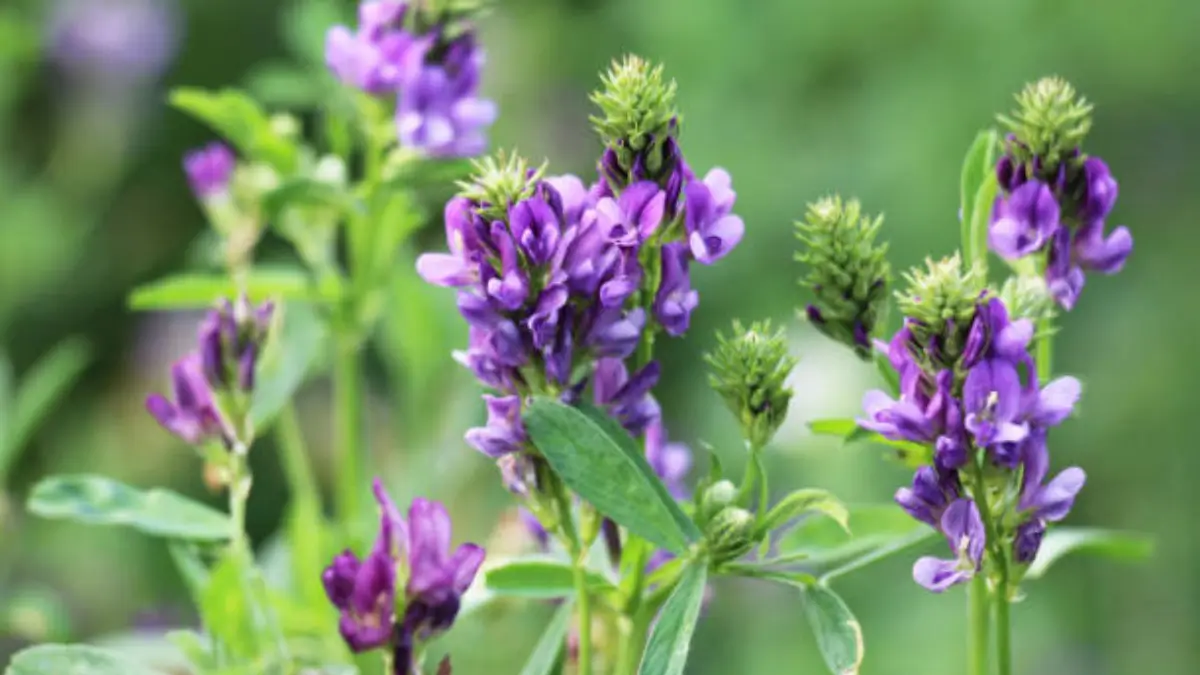
The state flower of Delhi is Alfalfa, also known as Lucerne. Its scientific name is Medicago sativa.
Many people expect a decorative garden flower to represent the capital, but Delhi selected Alfalfa because of its usefulness and connection to agriculture rather than appearance.
It is actually a flowering legume plant widely grown as fodder for animals and as a soil-improving crop.
Why Alfalfa Was Chosen?
Delhi is a large modern city today, but historically it had many farming areas and villages. Even now, green belts and rural zones exist around the capital. Alfalfa has been grown in these areas for a very long time.
The plant was chosen as the state flower because it symbolizes:
- Growth and sustainability
- Connection between urban life and farming heritage
- Soil fertility and environmental balance
Alfalfa improves land quality naturally, which matches Delhi’s aim of maintaining greenery while expanding as a metropolis.
Appearance and Characteristics
Alfalfa is not a big showy flower, but it has a simple and pleasant look. Key features:
- Small purple or violet flowers
- Clustered blossoms on thin stems
- Clover-like green leaves
- Grows best in sunny open fields
- Thrives in well-drained soil
Although delicate in appearance, the plant is extremely hardy and can survive harsh conditions.
Importance in Agriculture and Environment
Alfalfa is considered one of the most valuable fodder crops in the world. Farmers grow it mainly to feed cattle, horses, and goats because it is rich in nutrients.
But its biggest importance lies underground.
- Natural Soil Fertilizer: Alfalfa is a nitrogen-fixing plant. This means it takes nitrogen from the air and releases it into the soil, making the land more fertile for other crops.
- Water-Seeking Roots: Its roots can grow very deep into the earth to find moisture, which helps it survive drought conditions and prevents soil erosion.
- Supports Ecosystem: Its flowers produce nectar that attracts bees and pollinators, helping biodiversity in nearby fields and gardens.
Interesting Facts About Alfalfa
- It has been cultivated for more than 2,000 years.
- The name comes from Arabic and means “father of all foods.”
- Roots can grow over 6 meters deep.
- It is a major source of honey production.
- Farmers often plant it to restore damaged soil.


 Which Country is the Largest Exporter of...
 GK Quiz on Good Friday 2026, Questions a...
 Which is the largest Coriander Producing...