
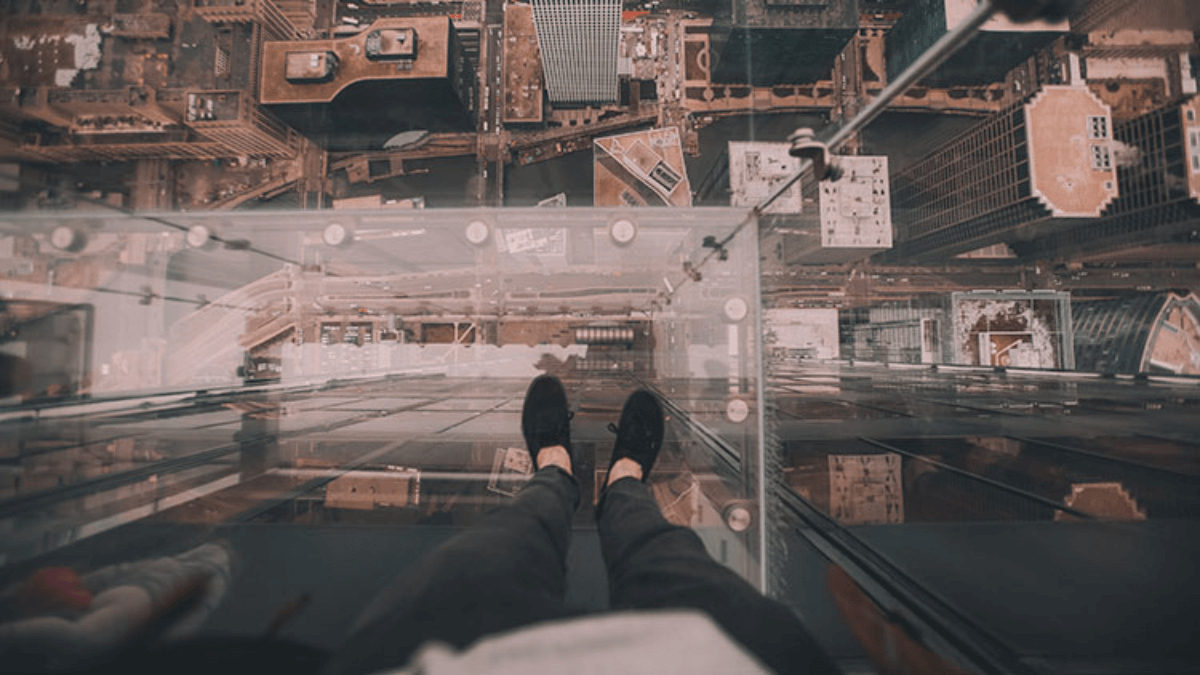
Many people feel uneasy when standing on tall buildings, mountains, or bridges. Looking down from a great height can cause nervousness, dizziness, or even a racing heartbeat. For some, this feeling is mild, but for others, it turns into an intense fear that can affect daily activities. This condition has a specific name and is considered one of the most common phobias worldwide.
Term Used for Fear of Heights
The term used for the fear of heights is Acrophobia. It comes from the Greek words “akron” (height) and “phobos” (fear). People with acrophobia feel extreme anxiety, dizziness, or panic when they are in high places, even if the height is not very great. It is one of the most common phobias in the world, but it can be treated with proper care and therapy.
Signs and Symptoms of Acrophobia
When someone with acrophobia is exposed to heights, they may experience:
- Fast heartbeat and rapid breathing
- Sweaty palms or trembling legs
- Feeling lightheaded or dizzy
- Panic or strong anxiety
- Avoiding situations like climbing stairs, riding ferris wheels, or looking out from tall buildings
Why do People Develop Fear of Heights?
There isn’t one single reason, but a mix of factors that may cause this fear:
- Natural Human Instinct: Our brain naturally sees heights as risky because falling can be dangerous. This instinct for self-protection often creates fear.
- Past Experiences: A childhood fall, a close call, or even witnessing someone else’s accident from a height can leave a lasting fear.
- Balance and Dizziness: People who feel unsteady at heights or have balance problems may develop stronger anxiety when high up.
- Learned Behavior: Sometimes, watching friends or family react fearfully to heights can make a person adopt the same fear.
How is Acrophobia Different from Normal Fear?
- Feeling careful or slightly nervous on a rooftop or cliff is natural.
- But acrophobia goes beyond normal caution. It can interfere with daily life, such as avoiding jobs in tall buildings, skipping vacations with mountain views, or refusing rides like cable cars.
Can Fear of Heights be Treated?
Yes! Acrophobia can be managed with the right approach:
- Exposure Therapy: Gradual, safe practice with heights to reduce fear.
- Cognitive Behavioral Therapy (CBT): Helps change fearful thoughts into positive ones.
- Relaxation Exercises: Breathing, meditation, and muscle relaxation reduce anxiety.
- Virtual Reality Therapy: Using VR to simulate heights in a controlled way for practice.


 Which Place is known as the Onion Hub of...
 RBI Plans to Make TReDS Registration Eas...
 KreditBee Joins Unicorn Club After Raisi...











