Introduction
Kamchatka is a vast, wild, and geologically remarkable peninsula in the Far East of Russia. Known for its rugged terrain, volcanic activity, and frequent earthquakes, Kamchatka recently came into the global spotlight due to an 8.8 magnitude earthquake, placing it among the most powerful earthquakes recorded in history. This article explores the location, geography, climate, seismic history, and international significance of Kamchatka in an accessible, easy-to-understand way.
Where Is Kamchatka Located?
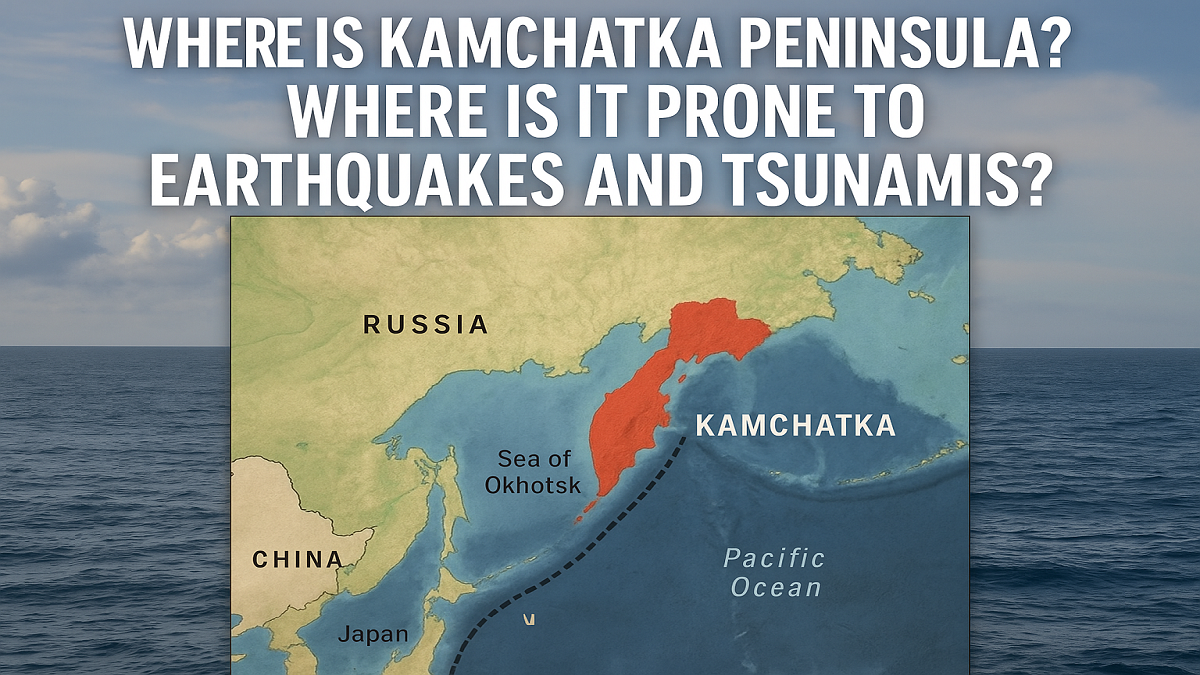
Kamchatka is a peninsula in Russia’s Far East, stretching about 1,250km from north to south. It is part of the Asian continent but is physically separated from the Russian mainland by a narrow isthmus.
-
To the east: Kamchatka is bordered by the Pacific Ocean.
-
To the west: It is flanked by the Sea of Okhotsk.
Its isolated position makes it one of Russia’s least-populated areas, largely untouched by industry or mass development. This wilderness and isolation contribute to Kamchatka’s distinctive natural beauty and biological richness.
Climate and Natural Features
The climate in Kamchatka is harsh and unique:
-
Winters: Long, extremely cold, with heavy snow.
-
Summers: Cool and rainy, often misty.
These weather patterns help preserve Kamchatka’s extensive forests, wild rivers, and 300+ volcanoes (including some of the most active in the world). Its landscape is dramatic, with vast tundra, steaming geysers, and unique plants and animals. These factors make Kamchatka a favorite destination for nature enthusiasts and adventurers.
Kamchatka on the Pacific “Ring of Fire”
Kamchatka is located on the Pacific Ring of Fire—a zone famous for intense earthquake and volcanic activity. The Ring of Fire is a horseshoe-shaped band running around the Pacific Ocean’s edges, and places along it (including Japan, Alaska, and California) experience frequent shaking and eruptions.
-
Earthquakes: Kamchatka is one of the most earthquake-prone regions on the planet. It regularly endures seismic jolts—small and large alike.
-
Volcanoes: Many of Kamchatka’s volcanoes are active, creating both mesmerizing landscapes and significant natural hazards.
The 8.8 Magnitude Earthquake
A recent earthquake measuring 8.8 on the Richter scale was one of the world’s largest ever recorded. This event triggered tsunamis that reached shorelines on the other side of the Pacific, impacting places as distant as the United States, Japan, and several countries in the Americas.
-
Tsunami warnings were issued for regions including Hawaii, Alaska, Oregon, California, and the west coasts of Canada and South America.
-
In the past, Kamchatka has been struck by even stronger earthquakes (such as the 1952 9.0 magnitude event), which caused vast tsunamis but few fatalities due to the remote, sparsely populated nature of the region.
International and Cultural Impact
The magnitude of Kamchatka’s recent earthquake prompted warnings and evacuations around the Pacific Rim, emphasizing the global impact of events in this isolated region.
-
Kamchatka’s rugged wilderness and volcanic background have also landed it pop culture fame—for example, appearing as a key location in Stranger Things Season 4.
Key Facts about Kamchatka
| Feature | Details |
|---|---|
| Continent | Asia |
| Country | Russia |
| Size | 1,250km long |
| Coastlines | Pacific Ocean (East), Sea of Okhotsk (West) |
| Climate | Cold, snowy winters; wet, cool summers |
| Seismic Zone | Pacific “Ring of Fire” |
| Natural Hazards | Earthquakes, tsunamis, volcanoes |
| Major Recent Event | 8.8 magnitude earthquake |
| Pop Culture | Featured in Stranger Things Season 4 |


 Raja Ravi Varma Painting Breaks Records ...
 Shah Rukh Khan Debuts in Hurun Global Ri...
 A Tribe With No Word for "Time"? Inside ...