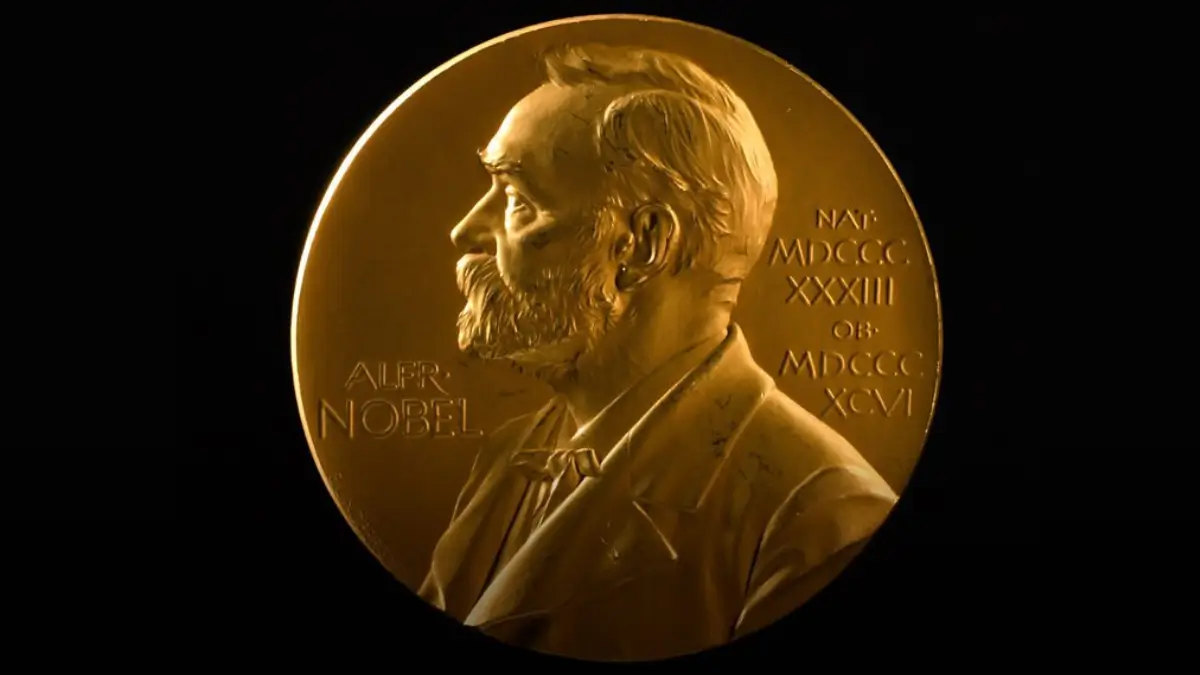
The Nobel Prize in Medicine is one of the most respected awards in the world, given every year to honor groundbreaking medical discoveries that improve human health. Since its beginning in 1901, different countries have received this prize, but some nations have achieved remarkable success over the years.
Country with the Most Nobel Prizes in Medicine
The United States of America (USA) holds the record for the largest number of Nobel Prize winners in Medicine, with over 90 laureates. Following the USA, the United Kingdom has around 29 laureates, and Germany stands third with about 16 laureates. These numbers show the importance of research and innovation in these countries.
Notable Nobel Laureates in Medicine
Over the years, Nobel Prizes in Medicine have been awarded for groundbreaking discoveries. Some of the most remarkable examples include:
- 1901 – Emil Adolf von Behring (Germany): First Nobel Prize in Medicine for developing serum therapy against diphtheria.
- 1905 – Robert Koch (Germany): Honored for research on tuberculosis, a deadly disease.
- 1930 – Karl Landsteiner (Austria): Discovered human blood groups, vital for safe blood transfusions.
- 1932 – Charles Sherrington & Edgar Adrian (UK): Studied the functioning of neurons in the nervous system.
- 1933 – Thomas Hunt Morgan (USA): Discovered the role of chromosomes in heredity.
- 1945 – Alexander Fleming, Ernst Chain & Howard Florey (UK): Awarded for discovering Penicillin, the first antibiotic that saved millions of lives.
- 1948 – Paul Hermann Müller (Switzerland): Discovered the insecticidal power of DDT.
- 1959 – Arthur Kornberg (USA) & Severo Ochoa (Spain/USA): Worked on the mechanisms of DNA and RNA.
- 2008 – Luc Montagnier & Françoise Barré-Sinoussi (France): Discovered HIV, the virus that causes AIDS.
Significance of the Nobel Prize in Medicine
The Nobel Prize in Medicine is not just a recognition of individual achievements, but also a way to honor contributions that improve human health and save lives. Many of these discoveries—like antibiotics, blood groups, and DNA research—completely changed the future of medicine.
These awards also inspire young scientists and remind society that behind every medical breakthrough are years of hard work, dedication, and sacrifice.


 What is National Investigation Agency? C...
 Which State is the Largest Petroleum Pro...
 Largest Crude Oil Supplier Countries to ...