Did you know the Olympic Games were not always about snow and ice? When the modern Olympics began, they were mainly played in warm stadiums with running tracks and open fields. Winter sports were not part of the original plan at all.
As years passed, people started enjoying skating, skiing and ice games. Athletes from colder regions wanted a chance to show their skills on an international stage too. Slowly, the idea of winter competitions became popular.
However, not everyone agreed at first. Some countries already had their own winter festivals, while others worried only a few nations could participate. Because of this, it took time before a special winter sporting event was organized.
Finally, an international winter sports event was arranged as a trial competition. It attracted huge public attention and proved that audiences loved snow-based sports as much as summer events.
Soon after, this experiment changed Olympic history forever and opened the door for a brand-new global sporting tradition.
Which Country hosted the First Winter Olympic Games?
The first Olympic Winter Games were hosted by France in 1924. They took place in the Alpine mountain resort town of Chamonix.
At that time, the event was not officially called the Winter Olympics. It was named “International Winter Sports Week.” Two years later, the International Olympic Committee (IOC) recognized it as the first official Winter Olympic Games.
Background of Winter Olympic Games
The modern Olympic Games began in 1896 in Athens under the leadership of Baron Pierre de Coubertin. These early Olympics included sports like athletics, wrestling, cycling and gymnastics.
As the Olympics expanded, people suggested adding winter sports such as skating and skiing.
Figure skating appeared in the 1908 Olympics, and ice hockey was played in 1920.
Still, creating a separate Winter Olympics was debated because:
- Winter sports were mainly played in colder Western countries
- Scandinavian nations already held their own Nordic Games
- Some leaders wanted one unified global event instead of two
Eventually, a compromise was reached — a winter sports festival would be organized but not initially called the Olympics.
1924 Chamonix Winter Event
The winter sports festival held in Chamonix in 1924 included:
- 258 athletes
- 16 countries
- Thousands of spectators
- Around 200 journalists
Sports Played
The competitions featured:
- Bobsled
- Cross-country skiing
- Curling
- Figure skating
- Speed skating
- Ice hockey
- Downhill skiing was not included at that time.
In 1926, the IOC officially declared this event the first Winter Olympic Games.
Popular Events and Historic Moments
First Gold Medal
American speed skater Charles Jewtraw won the first gold medal in Winter Olympic history in the men’s 500-meter race.
Youngest Athlete
Norway’s Sonja Henie, only 11 years old, competed in figure skating. She finished last but later became a three-time Olympic champion and a famous film star.
Ice Hockey Excitement
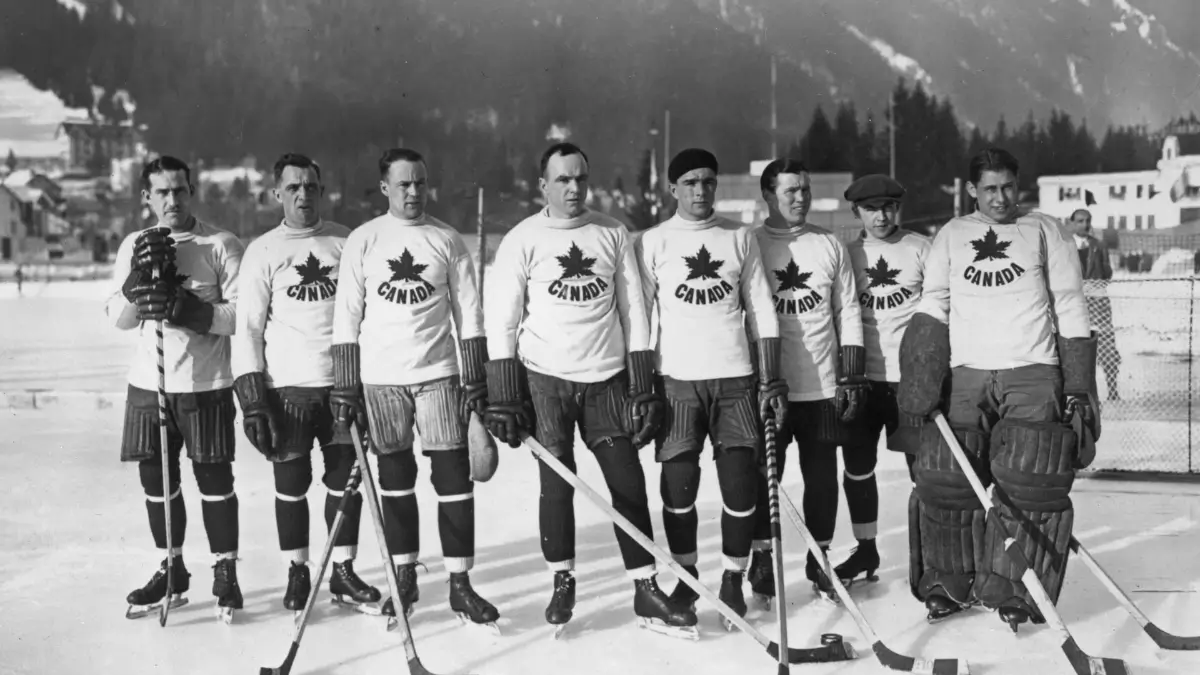
Ice hockey became the most thrilling event. Canada defeated the United States 6–1 in the final and won the gold medal.
Success and Official Recognition
The Games attracted large crowds and positive media coverage. Because of its success:
- In 1925, the IOC decided Winter Games would be held every four years
- In 1926, Chamonix was officially declared the first Winter Olympics
- Later, Winter and Summer Olympics began alternating every two years (starting 1994)


 Where is the Strait of Hormuz Located?
 Best Airlines in the World 2026: Best Fu...
 Who Invented the QR Code? Check Here