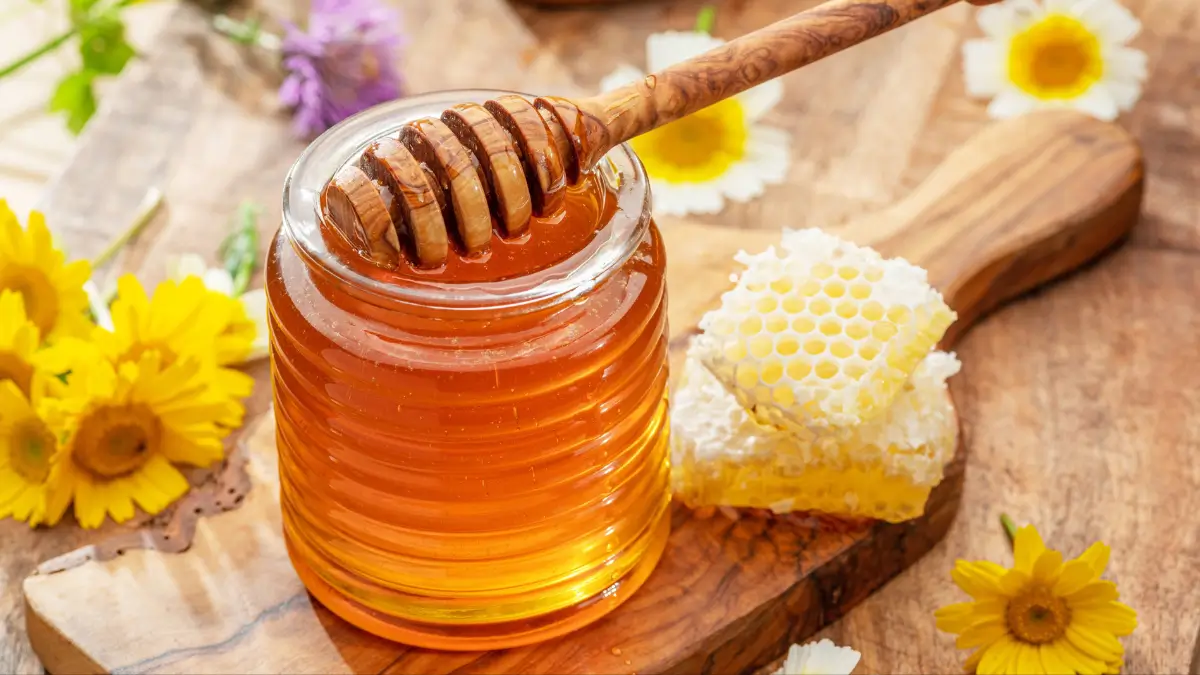
Did you know that honey is one of the oldest natural foods enjoyed by humans? For thousands of years, people around the world have collected honey not only for its sweet taste but also for its health benefits and medicinal uses.
Honey is produced by bees that collect nectar from flowers and transform it into a thick, golden liquid. Different climates, flowering plants, and farming methods influence how much honey a country can produce each year.
Many countries are involved in honey production, especially those with large agricultural lands and rich biodiversity. Beekeeping has become an important activity for farmers because it supports both honey production and crop pollination.
In recent decades, global demand for honey has increased due to its use in food, medicine, and natural health products. This growing demand has made honey production an important part of agriculture in several countries around the world.
The World’s Largest Honey Producer
China is the largest producer of honey in the world. The country contributes a major share of global honey production every year. This leadership comes from its large number of managed bee colonies, advanced beekeeping methods, and vast agricultural landscapes that provide nectar for bees. Honey production has become an important agricultural activity that supports farmers and rural communities.
Major Honey-Producing Regions in China
Honey is produced across many provinces in China due to its diverse climate and vegetation. Areas with orchards, flowering crops, forests, and wild plants provide ideal nectar sources for bees. Regions such as Sichuan, Zhejiang, and Shandong are known for active beekeeping industries. These areas offer suitable temperatures and abundant plant life, which help bees produce honey throughout different seasons.
Reasons Behind China’s Global Leadership
China leads global honey production for several key reasons. The country has millions of bee colonies that are carefully managed by professional beekeepers. Farmers use modern beekeeping equipment and scientific techniques to improve honey yield. In addition, China’s vast agricultural fields, fruit orchards, and flowering plants provide bees with a continuous supply of nectar, which increases honey output.
Climate and Natural Conditions
China’s varied climate also plays a major role in honey production. The country includes temperate, subtropical, and mountainous regions where many nectar-producing plants grow. Long flowering seasons allow bees to collect nectar for extended periods of the year. This natural diversity helps maintain strong bee populations and ensures consistent honey harvesting.
Importance of Beekeeping in Agriculture
Beekeeping is valuable not only for honey but also for crop pollination. Bees help fertilise flowers of many crops, including fruits, vegetables, and oilseeds. This process improves crop yield and quality. As a result, beekeeping supports food production, biodiversity, and the overall agricultural economy in China.
Interesting Facts About Honey Production in China
- Huge Bee Population: China maintains millions of bee colonies, making it one of the countries with the largest bee populations in the world.
- Variety of Honey Types: Different regions produce different types of honey depending on the plants available, including forest honey, wildflower honey, and orchard honey.
- Production Across Seasons: Because of the country’s diverse climate zones, honey can be harvested during different seasons throughout the year.
- Strong Pollination Support: Bees used in honey farming also help pollinate crops, which increases the productivity of farms and orchards.


 Which City is known as the Purple City o...
 Which River is known as the Lifeline of ...
 What is the Old Name of Jharkhand?