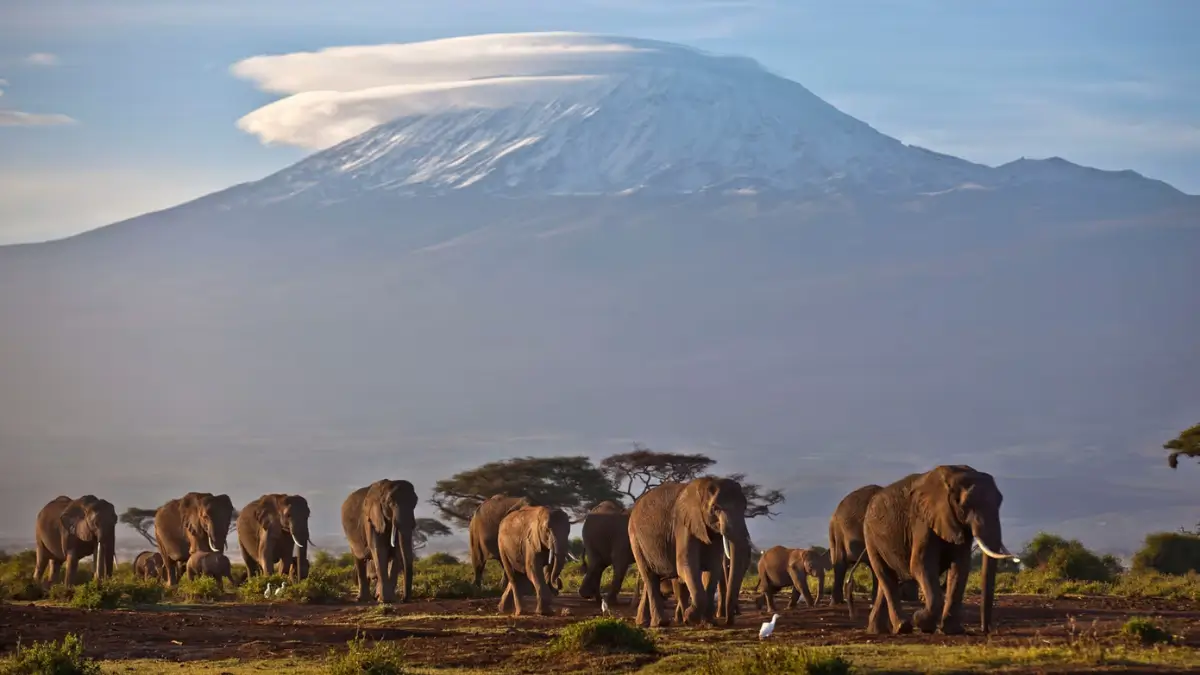
Did you know that elephants are the largest land animals on Earth and are known for their intelligence, memory, and strong social bonds? These gentle giants play a very important role in maintaining the balance of nature, especially in forests and grasslands.
Elephants are mainly found in parts of Africa and Asia, where they live in herds and travel long distances in search of food and water. Their habitats range from dense forests to open savannas, depending on the species and region.
Over the years, the population of elephants has changed due to factors like habitat loss, climate change, and human activities. Conservation efforts are now being made worldwide to protect these magnificent animals and ensure their survival.
Different countries have varying numbers of elephants based on their geography, climate, and wildlife protection policies. Some nations are known for having large elephant populations and have become important centers for elephant conservation and tourism.
Understanding where elephants are most commonly found helps us learn more about biodiversity and the importance of protecting wildlife for future generations.
Country with the Highest Elephant Population
The country with the largest elephant population in the world is Botswana. It is home to more than 130,000 elephants, making it the global leader in elephant population. Most of these elephants are African savanna elephants, which are the largest species of elephants.
Botswana’s vast landscapes, open grasslands, and protected areas provide the perfect environment for elephants to live and grow in large numbers.
Why Botswana has So Many Elephants?
Botswana has been very successful in protecting its elephants due to strong conservation efforts. The government has created large national parks and wildlife reserves where animals can live safely. Strict laws against poaching have also helped reduce illegal hunting.
Another important reason is the availability of water sources like rivers and wetlands, which attract elephants in large groups. Areas such as the Okavango Delta are especially important for their survival.
Countries with Large Elephant Populations
Apart from Botswana, several other African countries also have a high number of elephants. These include:
- Zimbabwe
- Tanzania
- Kenya
- South Africa
These countries have large forests, savannas, and well-managed wildlife reserves that support elephant populations.
Country with the Most Elephants in Asia
In Asia, India has the highest number of elephants. It is home to more than 30,000 Asian elephants. These elephants are mostly found in forest regions and protected areas across different states.
India plays a very important role in the conservation of Asian elephants, as this species is found in fewer numbers compared to African elephants.
Where Elephants are Mostly Found?
Elephants are mainly found in two regions of the world:
- Sub-Saharan Africa – where African elephants live in grasslands and forests
- South and Southeast Asia – where Asian elephants live in forests and hilly regions
Their habitats depend on the availability of food, water, and safe living spaces.
Types of Elephants in the World
There are three main types of elephants found across the globe:
- African Savanna Elephant – the largest and most common species
- African Forest Elephant – smaller and lives in dense forests
- Asian Elephant – smaller than African elephants and found in Asia
Each type has unique features, but all are important for maintaining ecological balance.
Importance of Elephants in Nature
Elephants are often called “ecosystem engineers” because they help shape their environment. They spread seeds through their dung, create pathways in forests, and help maintain grasslands.
Their presence supports many other animals and plants, making them essential for biodiversity.
Threats to Elephant Populations
Despite their importance, elephants face several challenges:
- Habitat loss due to human expansion
- Poaching for ivory
- Human-elephant conflicts
Many countries and organizations are working hard to protect these animals and ensure their survival for future generations.


 What is the Old Name of Punjab? Check He...
 GK Quiz on Strait of Hormuz, Questions a...
 Which Countries Border the Strait of Hor...