
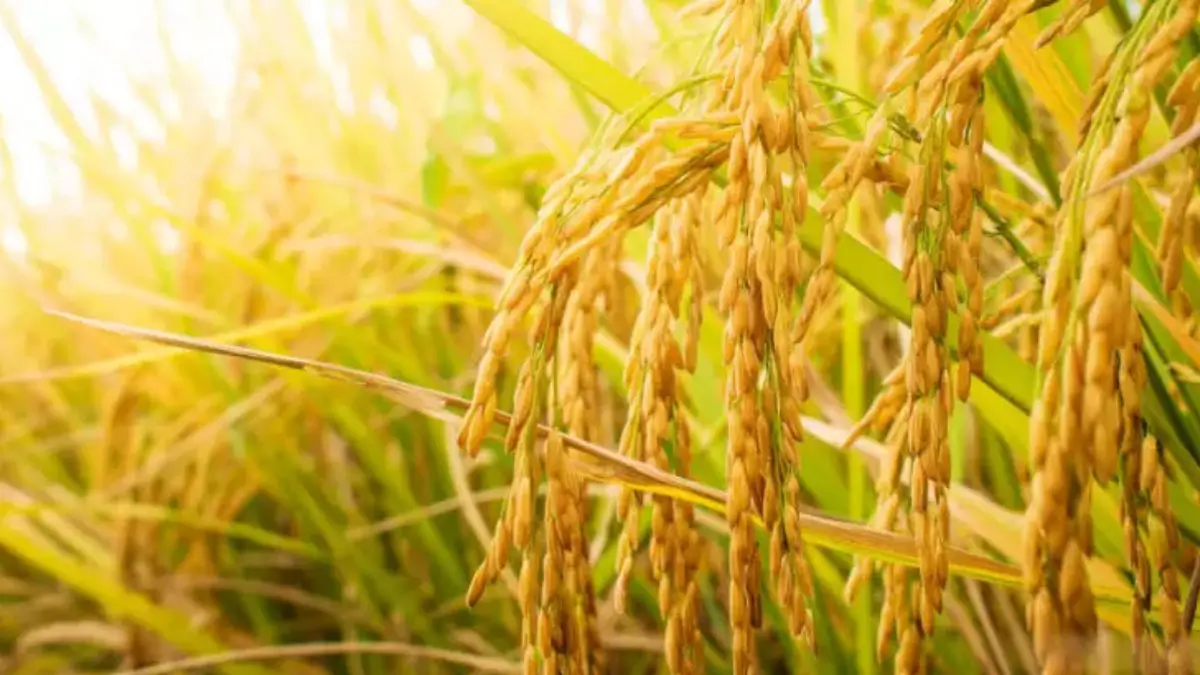
India is a country where farming is a very important part of life. Millions of people depend on agriculture for their food and jobs. Many crops are grown across the country, providing nutrition, income, and employment. Some crops play a special role in supporting farmers, feeding the population, and strengthening the economy. These crops are essential for the survival and growth of Indian agriculture.
Which Crop is known as the Backbone of Indian Agriculture?
Rice is called the backbone of Indian agriculture because it is the main food for a large part of the population. Millions of farmers depend on rice for their income. It grows well in both irrigated fields and rain-fed lands, making it reliable for farmers. Rice farming supports not only small farmers but also big agricultural producers, keeping the farming system active throughout the year.
Importance of Rice in Indian Farming
Rice is grown in almost every state of India. It can grow in different conditions like river plains, coastal areas, delta regions, and places with seasonal rains. This makes rice a dependable crop for farmers. It also helps in maintaining stability in agriculture, as it continues to produce food even during difficult times or poor harvests.
Largest Producer of Rice in India
The state of West Bengal produces the most rice in India. Its fertile soil, plenty of rainfall, and river networks make it perfect for rice farming. Other important rice-producing states include Uttar Pradesh, Punjab, Andhra Pradesh, Telangana, Odisha, Bihar, and Chhattisgarh. Together, they play a major role in feeding the country.
Largest Producer of Rice in the World
In the world, China is the top producer of rice, with India coming in second. These countries produce a huge amount of rice due to their large population, good climate, and advanced farming techniques. Together, they provide a major share of the rice consumed globally.
India as the Largest Exporter of Rice
India is the largest rice exporter in the world. Both basmati and non-basmati rice from India are in high demand for their quality, taste, and price. Countries in Asia, Africa, the Middle East, and Europe import rice from India. Rice exports help India earn valuable foreign money and strengthen its position in world trade.
Role of Rice in Food Security
Rice is very important for India’s food security. It is a key part of government programs like the Public Distribution System (PDS) and mid-day meal schemes. Affordable rice ensures that millions of people, especially the poor, have access to proper nutrition.
Interesting Facts About Rice
- Staple Food: More than half of India’s population eats rice daily, especially in eastern, southern, and northeastern states.
- Grows in Many Conditions: Rice can grow in flooded fields, rain-fed uplands, and irrigated areas, showing its adaptability.
- Cultural Significance: Rice is used in festivals, weddings, and religious ceremonies as a symbol of prosperity and happiness.
- Supports Stability: Rice production often remains stable even during difficult times, helping maintain food supply and prices.
Famous Rice Varieties
Some rice types are very special and costly:
- Basmati 1121 (India): Long grains with a unique aroma.
- Yamada Nishiki (Japan): Used in sake, high starch content.
- Doongara (Australia): Rich flavor, limited supply.
- Koshihikari (Japan): Soft, sticky, aromatic rice.
- Forbidden Rice (China): Black rice, very nutritious.


 Who were the Seven Sisters of Petroleum?...
 What is the State Flower of Florida? Che...
 Which is the Largest Desert in Asia? Che...











