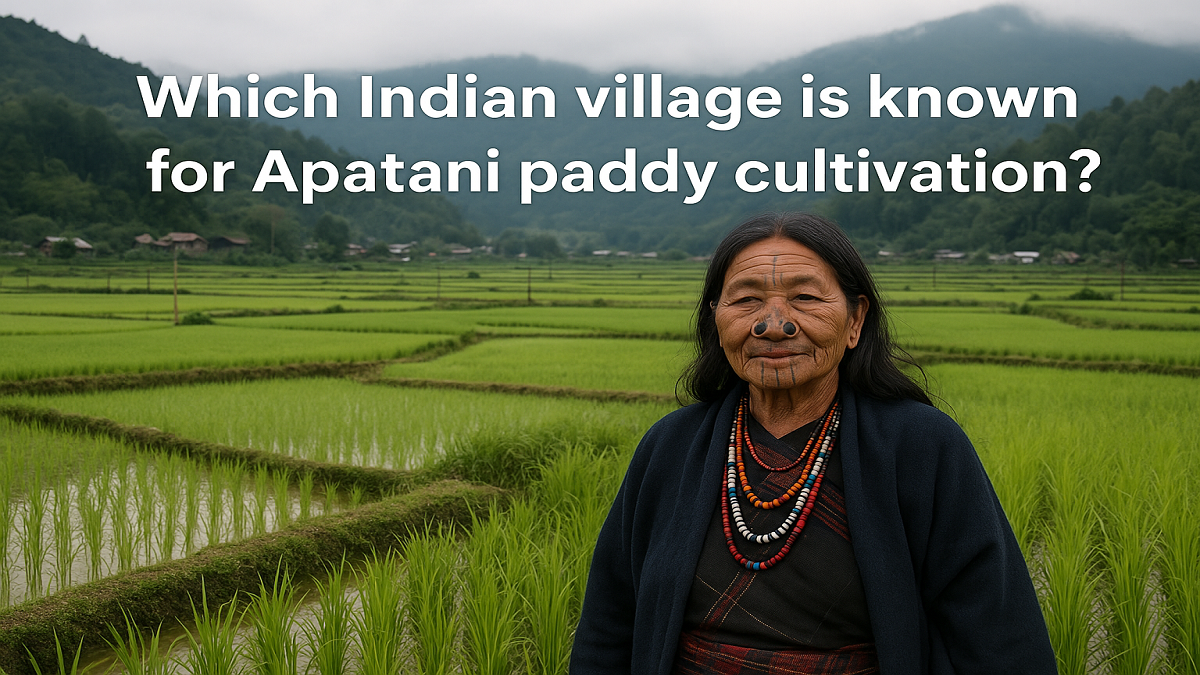
Nestled in the serene Ziro Valley of Arunachal Pradesh, Hong village is famous for its remarkable and sustainable Apatani paddy‑cum‑fish cultivation system. Practiced by the indigenous Apatani tribe, this method is globally recognized as a model of agro-ecological innovation, and is a key subject in geography and environment-related topics for competitive exams.
Cultural and Historical Roots
The Apatanis are among the few tribes in the Eastern Himalayas known for sedentary agriculture. They live in closely knit villages such as Hong, Hija, Hari, Dutta, and Bamin, and practice elaborate agricultural rituals. One notable tradition is the Dree Festival, which celebrates agricultural prosperity and prays for bountiful harvests and protection from pests and natural calamities. These customs highlight how the Apatani blend culture with conservation.
Unique Agricultural System: Paddy-Cum-Fish Cultivation
What sets the Apatani apart is their paddy-cum-fish cultivation system. In this setup, terraced wet-rice fields are ingeniously used to grow rice and rear fish simultaneously. Small fish, primarily common carp, are introduced into the flooded paddy fields. As the rice grows, the fish thrive, helping to control pests naturally and providing an additional source of protein and income.
This method is practiced without any animal or mechanized labor. All tasks, from soil preparation to irrigation, are carried out manually, using traditional tools and community labor. This makes it a low-input, high-efficiency farming system adapted perfectly to the hill environment.
Environmental and Economic Sustainability
The Apatani agricultural system is an excellent example of sustainable farming. The terraced fields are surrounded by bamboo fencing to prevent soil erosion. Water is diverted from streams through carefully constructed canals, ensuring efficient water management without the need for external irrigation infrastructure.
The nutrient recycling within the system is also noteworthy. Organic waste from households and crop residues are used as compost, enriching the soil naturally. The presence of fish reduces the need for chemical pesticides, maintaining ecological balance within the fields.
Global Recognition and Conservation Value
Due to its unique ecological design, the Apatani farming system has attracted global attention. It has been included in the UNESCO Tentative List of World Heritage Sites, under the category of cultural landscapes. The recognition is not only for the agricultural technique but also for its seamless integration with local traditions, rituals, and sustainable land use.
The system also ensures food security by combining carbohydrate (rice) and protein (fish) sources, offering a balanced diet to the community. The overall energy efficiency, minimal ecological footprint, and high productivity make it a model for climate-resilient farming in hilly regions.


 What is the Old Name of Punjab? Check He...
 GK Quiz on Strait of Hormuz, Questions a...
 Which Countries Border the Strait of Hor...