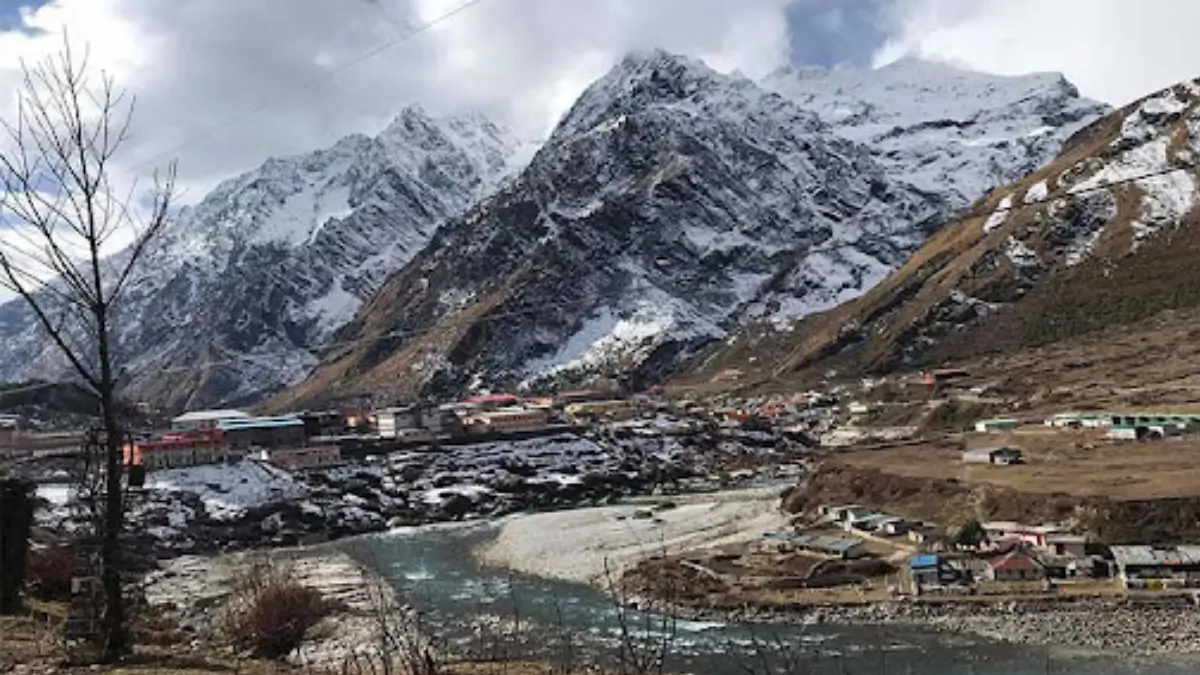
India is a land of endless journeys, where roads pass through busy cities, quiet villages, deep forests, and high mountains. Some places lie so far from the centre that they feel like the edge of the nation itself. These remote settlements face tough weather, limited facilities, and long winters, yet people live there with courage and pride, guarding culture, tradition, and the nation’s borders.
Which is the Last Village of India?
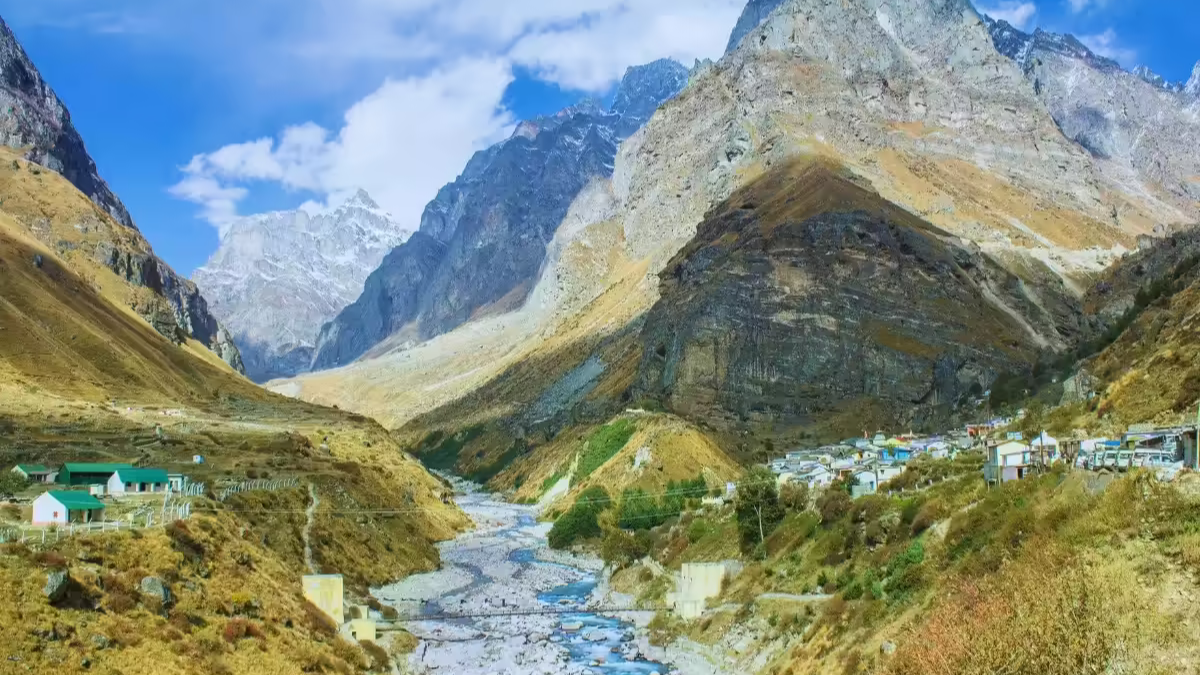
Mana Village in the state of Uttarakhand is called India’s last village. It is located near the Indo-Tibetan border and is the final inhabited settlement on India’s northern side. Beyond Mana, there are no civilian homes—only rugged mountains leading toward Tibet.
Where is Mana Village Located?
Mana Village is situated in the Chamoli district of Uttarakhand. It lies about 3 kilometres from Badrinath, one of the most sacred pilgrimage sites in India. After Mana, the road ends, and the land stretches into the high Himalayan region near the international border.
Why is Mana known as India’s Last Village?
Mana is called India’s last village because it is the last place where people permanently live before the border with Tibet. It marks the end of civilian life in this direction. This special position gives Mana a strong national identity and makes it famous across the country.
Strategic Significance of Mana Village
Due to its closeness to the international border, Mana is very important for India’s security. The area helps in:
- Monitoring border movements
- Supporting the Indian armed forces
- Developing roads and infrastructure in high-altitude regions
Its location makes it a key point for border safety and regional development.
Cultural and Mythological Significance
Mana is not only important for geography but also for history and faith. According to Hindu beliefs, the Pandavas passed through this region on their journey to heaven. Nearby places such as:
- Vyas Gufa – where Sage Vyasa is believed to have written the Mahabharata
- Bhim Pul – a natural stone bridge linked to Bhima
These sites attract pilgrims and tourists from all over India.
Climate and Living Conditions
Life in Mana is extremely challenging. The village experiences:
- Long and harsh winters
- Heavy snowfall
- Very low temperatures
- Thin air due to high altitude
During winter, the village becomes almost unlivable. Most residents move to lower areas for a few months and return in summer when conditions improve.
Interesting Facts About Mana Village
- High-Altitude Settlement: Mana is among the highest permanently inhabited villages in India, showing how humans can adapt to extreme environments.
- Seasonal Migration: Because of severe winters, villagers shift to safer places during cold months and return in summer.
- Tourism and Pilgrimage Hub: Being close to Badrinath and mythological sites, Mana attracts many visitors every year.
- Unique National Identity: Being known as India’s last village gives Mana a special place in the hearts of Indians.


 Where is the Strait of Hormuz Located?
 Best Airlines in the World 2026: Best Fu...
 Who Invented the QR Code? Check Here