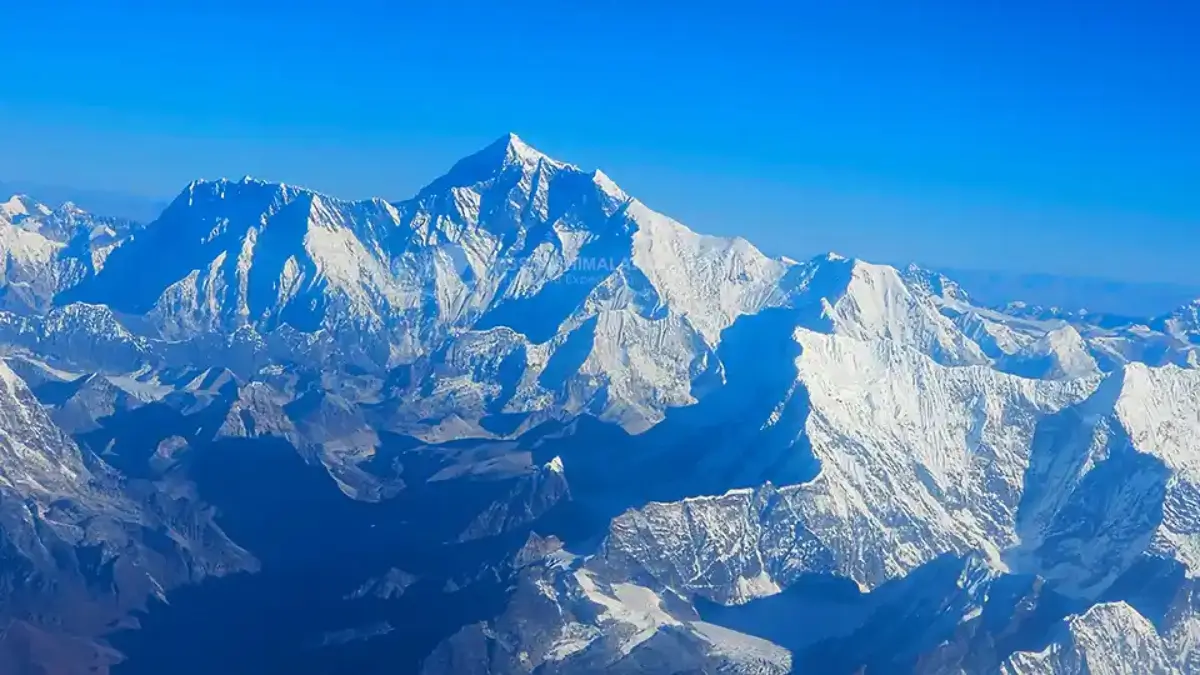
Mountains are some of the most fascinating features of our planet. They can be very old or relatively young, and they are formed in different ways over millions of years. Some mountains are still growing, with folded layers of rock pushed up by natural forces. These young mountains have high peaks, deep valleys, and play an important role in nature, climate, rivers, and the lives of people living nearby.
Which Mountain is called a Young Fold Mountain?
The Himalayas are called a Young Fold Mountain. They were formed when the Indian Plate collided with the Eurasian Plate, pushing rocks upward and creating tall, sharp peaks. These mountains are still rising a little every year, which makes them young compared to older ranges like the Aravallis. Their pointed peaks, deep valleys, glaciers, and strong rivers show that they are still growing and geologically active.
Why are the Himalayas called Young Fold Mountains?
The Himalayas are called young because their peaks are still pointed and not worn down by weather and erosion. In contrast, older mountains, like the Aravalli hills, have rounded and smoother shapes. They are called fold mountains because the Earth’s crust bent and folded under pressure when two tectonic plates collided. Even today, the Himalayas are still rising a little every year, showing that they are geologically very young.
How were the Himalayas Formed?
- Collision of Tectonic Plates: The Himalayas were formed when the Indian Plate collided with the Eurasian Plate about 50 million years ago. This crash pushed huge layers of rocks upward, creating high mountains. The plates are still moving, which is why earthquakes happen in the region.
- Folding of Rocks: Young fold mountains are made when rocks bend and fold instead of breaking. The Himalayas show clear folded layers in cliffs and slopes, which tells us about the strong forces that shaped them.
- Still Growing: The Indian Plate moves around 5 cm every year, and this makes the Himalayas rise about 1–2 cm annually. This continuous growth is why these mountains are considered young and active.
Interesting Facts About the Himalayas
- Mount Everest Grows Taller: Even the highest peak, Mount Everest, increases slightly in height every year.
- Tallest and Youngest: The Himalayas are the tallest major mountains in the world and also the youngest.
- Home to Most High Peaks: 9 out of the 10 tallest mountains on Earth are in the Himalayas.
- Rivers for Millions: Rivers from these mountains supply water to over a billion people.
- Earthquakes Happen Often: The ongoing movement of plates causes frequent earthquakes in this region.


 What is the Strait of Hormuz? Know About...
 Which Country is the Largest Consumer of...
 List of Major Sea Routes of the World, C...