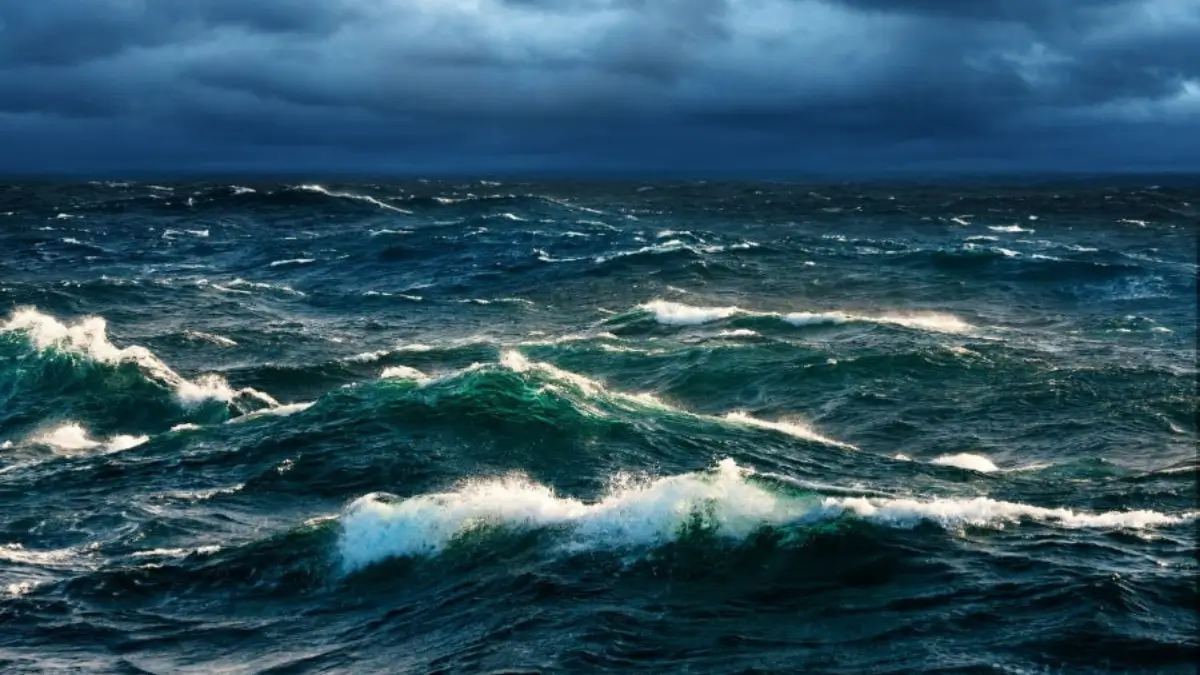
Oceans cover most of our planet and play a very important role in our climate, weather, and daily life. Each ocean has its own special features, such as calm waters, strong waves, or unique marine animals. Some oceans are also known by interesting nicknames based on their nature. One particular ocean is often remembered for its peaceful and quiet appearance, which makes people curious about its special title.
Which Ocean is known as the Silent Ocean?
The Pacific Ocean is known as the Silent Ocean because early explorers found its waters calm, peaceful, and gentle during long journeys. Ferdinand Magellan named it “Mar Pacífico,” meaning peaceful sea, after sailing through quiet conditions. Large central areas of the Pacific often have light winds and fewer waves, making the ocean look still and silent. This calm nature led sailors to call it the Silent Ocean.
Why it is called the Silent Ocean?
The Pacific Ocean is known as the Silent Ocean. Early explorers noticed that its waters were often smooth, quiet, and free of strong storms. Ferdinand Magellan, the famous Portuguese explorer, called it “Mar Pacífico,” meaning peaceful sea, because he experienced calm weather while crossing it. Over time, sailors began referring to it as the Silent Ocean due to these gentle conditions.
Calm Appearance of the Pacific Ocean
Large parts of the central Pacific have very soft winds and fewer waves. There are many days when the water surface looks still, almost like a glass sheet. These long calm periods made travellers feel as if the ocean was silent compared to others.
Location and Size of the Silent Ocean
The Pacific Ocean is the world’s largest water body. It lies between Asia and Australia on one side and North and South America on the other. It stretches from the Arctic Ocean in the north all the way to Antarctica in the south. Because of its huge size, it covers about one-third of Earth’s entire surface.
Climate and Weather Features
Although storms do form in some areas, large central parts of the Pacific have stable tropical weather. These regions often have gentle winds, warm temperatures, and fewer disturbances. Early sailors found these peaceful zones to be comfortable and safe for travel.
The Largest and Deepest Ocean on Earth
Not only is the Pacific the largest ocean, but it is also the deepest. Its deepest point, the Mariana Trench, goes down nearly 11,000 metres, making it the deepest place on Earth. This makes the Silent Ocean both the biggest and the deepest.
Marine Life in the Silent Ocean
The Pacific is home to a huge variety of marine life. It contains coral reefs, deep-sea trenches, underwater mountains, and countless species of fish and plants. Many peaceful regions offer stable environments where marine life can grow and survive easily.
Interesting Facts About the Silent Ocean
- Home to the Mariana Trench: The Pacific contains the world’s deepest known point, which makes it a major area of scientific interest.
- Most Islands in the World: Islands like Hawaii, Fiji, Samoa, Tonga, Palau, and many more are found in the Pacific. It has more islands than all other oceans put together.
- Named by Magellan: Ferdinand Magellan gave the ocean its peaceful name in 1520 after experiencing calm conditions during his journey.
- Includes the Ring of Fire: Most of the world’s volcanoes and earthquakes happen around the Pacific’s edges. This region is called the Ring of Fire.
- Bigger Than All Continents Combined: The Pacific is so huge that even if you put all continents together, it would still be larger.


 Where is the Strait of Hormuz Located?
 Best Airlines in the World 2026: Best Fu...
 Who Invented the QR Code? Check Here