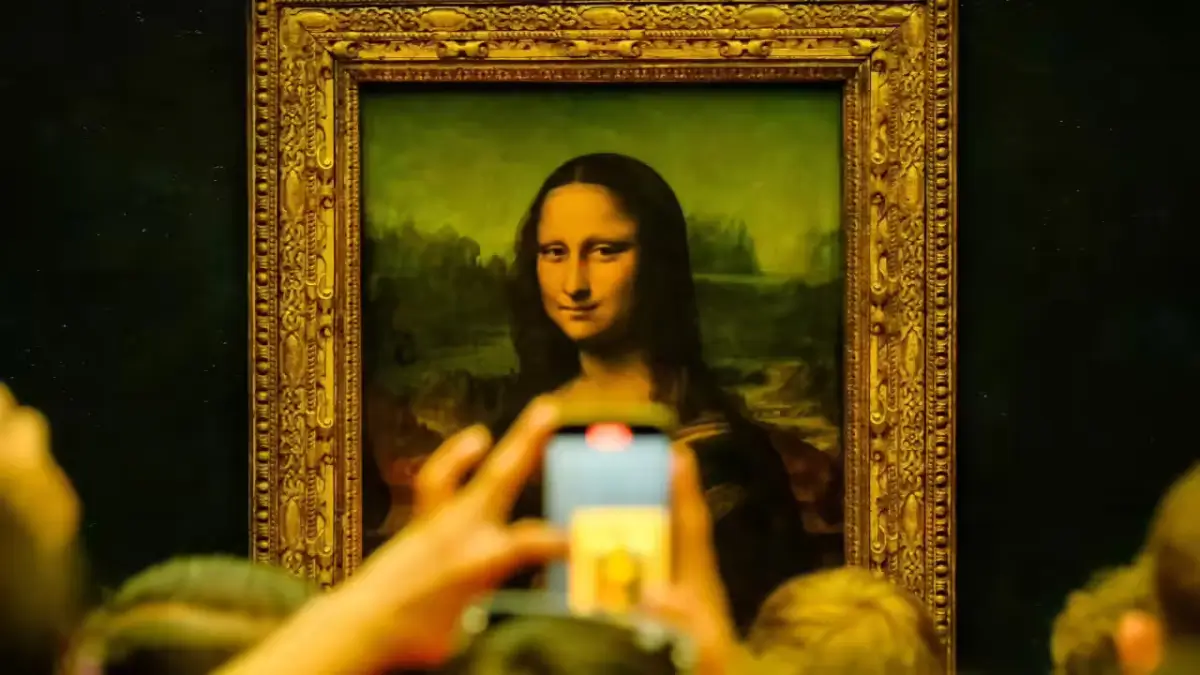
Did you know that India has a painting that is often compared to the world-famous Mona Lisa? This beautiful artwork has captured the hearts of art lovers for many years. Its mysterious smile and calm expression make people curious and amazed.
This painting is known for its graceful beauty and soft details. The woman in the portrait looks simple, yet her expression feels deep and meaningful. Many viewers feel that her eyes seem to follow them, just like in the famous Italian masterpiece.
Art experts admire this painting for its fine technique and emotional depth. The colors, shading, and background are carefully done, giving the portrait a lifelike touch. It shows the talent and creativity of Indian artists during an important period of art history.
Over time, this artwork has become one of the most celebrated paintings in India. It represents not only beauty but also the rich cultural and artistic heritage of the country.
Which Painting is known as the Indian Mona Lisa?
The painting known as the Indian Mona Lisa is Bani Thani. It was painted in the 18th century by artist Nihal Chand in Rajasthan. The portrait shows a graceful woman with long lotus-shaped eyes, a pointed chin, and a gentle smile. She is believed to be Vishnupriya, a poet and singer in the royal court of Raja Sawant Singh. Because of her mysterious expression and beauty, Bani Thani is often compared to the famous Mona Lisa.
What is Bani Thani Painting?
Bani Thani is a famous 18th-century portrait from Rajasthan. It belongs to the Kishangarh School of Art, a branch of Rajasthani miniature painting.
The painting shows a graceful woman with long eyes, thin eyebrows, and a pointed chin. Her face is shown from the side, which makes her look elegant and royal. Her soft smile reminds many people of the Mona Lisa, which is why she is called the Indian Mona Lisa.
Who Painted Bani Thani?
The painting was created around 1750 by the court artist Nihal Chand. He painted it under the patronage of Raja Sawant Singh, the ruler of Kishangarh.
The woman in the painting is believed to be Vishnupriya, a talented poet and singer in the royal court. She later became closely associated with the king. Both of them were lovers of art, music, and poetry.
Features of the Bani Thani Painting
The painting is admired for its artistic beauty and fine details. Some key features include:
1. Unique Facial Style
- Her eyes are long and shaped like a lotus petal.
- Her eyebrows are curved and thin.
- Her chin is sharp and pointed.
These features are slightly exaggerated to create a divine and ideal look.
2. Transparent Veil
She wears a thin, transparent veil decorated with gold patterns. The fine brushwork makes the cloth look light and soft.
3. Rich Colours
Artists used soft colours like white, green, and blue. Gold dust was added to highlight jewellery and clothing details.
4. Wasli Paper
The painting was made on “Wasli,” a special handmade paper created by pasting several thin sheets together.
Which Style is Bani Thani Related to?
Bani Thani belongs to the Kishangarh School of Art, a part of Rajasthani miniature painting.
This style developed in the princely state of Kishangarh in Rajasthan. It became famous in the 18th century.
Unlike other Rajasthani styles that focused on bold colours or strong figures, the Kishangarh style is known for its stylised elegance and romantic beauty.
How is Kishangarh Style Different from Other Styles?
Different Rajasthani painting styles have their own identity:
- The Mewar style uses bold and bright colours.
- The Kangra style shows soft and natural landscapes.
- The Kishangarh style focuses on graceful faces and poetic themes.
In Kishangarh paintings, the human figure is made more ideal and dreamy than real life. This makes Bani Thani look almost divine.
Interesting Facts About Bani Thani
Here are some lesser-known facts about this masterpiece:
- The Government of India issued a 20-paise postal stamp with her image in 1973.
- Real gold dust was used in the painting.
- Her lips were coloured using natural materials like lac and minerals.
- Very fine brushes, sometimes made from a single squirrel hair, were used for small details.
- The finished painting was polished with a smooth stone to give it a shining look.
The Real Woman Behind the Painting
The woman in the portrait was originally named Vishnupriya. She was a poet and singer in the royal court.
Later, she moved to Kishangarh and became close to Raja Sawant Singh. Both of them wrote devotional poetry under pen names. After the king gave up his throne, they spent their later years in Vrindavan, focusing on spiritual life and literature.
Her beauty and talent inspired one of the most iconic paintings in Indian art history.
Cultural Importance of Bani Thani
Bani Thani is more than just a portrait. It represents a turning point in Indian art.
Instead of copying Mughal realism, the artist created a new and unique style. The painting became a symbol of traditional Rajasthani beauty and artistic excellence.
Today, Bani Thani is recognised as one of India’s most famous miniature paintings.
Why is Bani Thani Called the Indian Mona Lisa?
Just like the Mona Lisa is known for her mysterious smile, Bani Thani is admired for her calm and graceful expression.
Both paintings show women with soft smiles and deep beauty. Because of this similarity, art lovers lovingly call Bani Thani the Indian Mona Lisa.


 Which is the Poorest Country in Europe?
 Which Sweet is known as the King of Swee...
 Which City is known as the Silent City o...