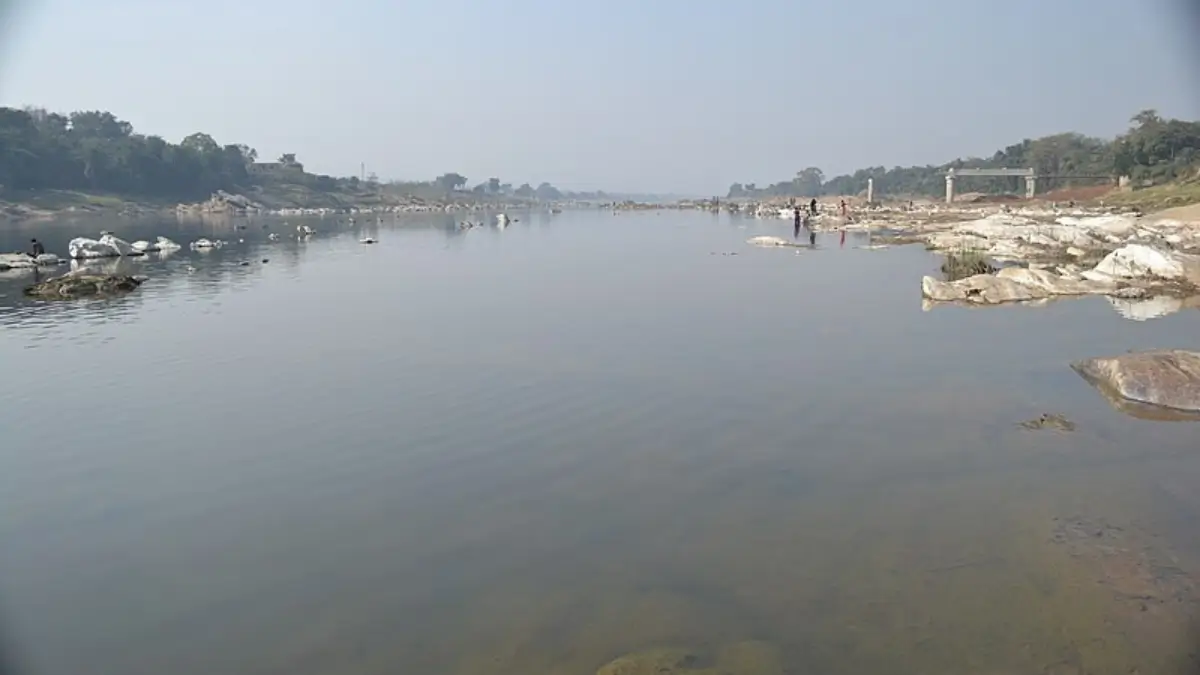
Rivers have always been the lifeline of civilizations, providing water for drinking, farming, and daily life. Some rivers are famous for their natural beauty, while others are known for the fertile lands and resources they carry along their course. They shape culture, support agriculture, and connect people to history, making certain rivers especially important in the life and economy of the regions they flow through.
Which River is known as the Gold River?
The river known as the Gold River of India is the Subarnarekha River. The name comes from Sanskrit: “Subarna” means gold, and “Rekha” means line or streak. This name perfectly describes the river’s golden touch, inspired by the tiny grains of gold found along its course. People have been fascinated by its golden sands for centuries.
Where the River Begins?
The Subarnarekha River starts near Ranchi, in a village called Nagri. Its exact source is at Rani Chuan, about 15 kilometers from Ranchi in Jharkhand. Originating in the Chota Nagpur Plateau, the river is mainly rain-fed, which means its water comes mostly from rainfall rather than glaciers.
The Journey of the Golden River
The Subarnarekha flows for about 474 kilometers through eastern India. On its way, it passes through some remarkable landscapes and features, including the Hundru Falls, where the river plunges 98 meters in a spectacular waterfall.
The river travels through three states:
- Jharkhand
- West Bengal
- Odisha
Unlike many rivers that merge into larger rivers, the Subarnarekha is independent and flows directly into the Bay of Bengal near Talsari in Odisha.
Golden Sands and Minerals
The Subarnarekha River is classified as auriferous, meaning its riverbed naturally contains gold. Most of this gold is in the form of placer gold, which are tiny grains, often no bigger than a rice grain. Even some of its tributaries, like the Karkari River, carry gold particles washed down from nearby hills.
Besides gold, the river basin is rich in other minerals, such as copper and uranium, particularly around the Jadugora mines.
Cultural and Literary Importance
The Subarnarekha is more than just a river with gold. It has inspired artists, writers, and filmmakers for decades. Nobel laureate Rabindranath Tagore mentioned it in his writings, and the famous filmmaker Ritwik Ghatak used it as a symbol of hope in his 1965 movie Subarnarekha.
Unique Features of the River
- It does not merge with any other river before reaching the sea.
- Being rain-fed, it often causes flash floods during the monsoon.
- It flows through some of the oldest rock formations on Earth, dating back to the Archean era.
- Its gold concentration is too low for commercial mining, but local people still search for tiny particles.
Why It’s Called the Gold River?
The river earned the name “Gold River of India” because of the real gold particles found in its sandy bed. Though tiny, these grains have made the river famous for centuries. Its golden streak reminds us of nature’s hidden treasures and the river’s historical and mineral wealth.


 How many Nuclear Power Plants in India? ...
 List of Important Days in April 2026, Na...
 Do you Know Which is the Most Spoken Lan...