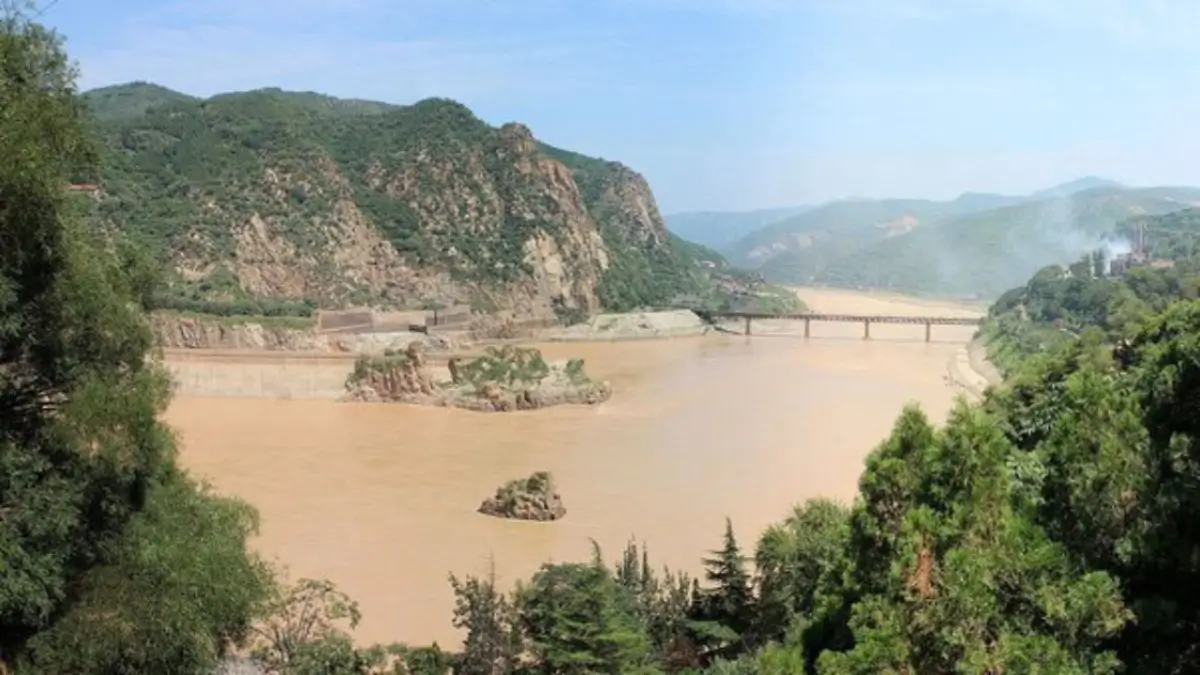
This famous river in China is known for giving life to millions of people, but it has also caused great sorrow throughout history. It flows through important farming areas, supports many communities, and helped early civilizations grow. However, it is remembered for its deadly floods, which destroyed homes and farmland again and again, making people fear its power even as they depended on it.
Which River is Known as the Sorrow of China?
The Yellow River, also called Huang He, is known as the Sorrow of China because it has caused many destructive floods throughout history. The river carries a large amount of yellow soil, which raises its riverbed and makes flooding more likely. These floods often destroyed homes, farmland, and villages, causing great suffering to millions of people. Even today, managing the Yellow River remains an important task for China.
Why the Yellow River is called the Sorrow of China?
The Yellow River is one of China’s most important rivers, but it has also brought great pain to the people living near it. For thousands of years, this river has supported farming and helped ancient cultures grow, yet its powerful floods often caused huge damage. Because of this long history of destruction and suffering, it earned the sad name “Sorrow of China.”
Reasons Behind the Name ”Sorrow of China”
The Yellow River carries a special type of fine yellow soil called loess. This soil settles at the bottom of the river, slowly making the riverbed rise higher and higher. When the riverbed becomes too high, the water easily spills over the banks and floods nearby land. In the past, these sudden floods destroyed homes, ruined crops, and forced people to leave their villages. Over many centuries, these repeated tragedies made the river a symbol of sorrow and fear.
Where the Yellow River is Located and Why it is Important?
The Yellow River flows across northern China, passing through nine provinces before reaching the Bohai Sea. It is the second-longest river in China and is often called the birthplace of early Chinese culture. The land along the river is very fertile, which helped ancient people grow food and build strong communities. Even though the river caused problems, it played a major role in the growth of China’s early civilisation.
Interesting Facts About the Yellow River
- Known as the Mother River of China: Many ancient Chinese settlements grew around this river. The rich soil and easy access to water helped early farmers produce grains and develop organised societies.
- The River with the Most Sediment: The Yellow River carries more sediment than any other large river in the world. This thick, yellow soil gives the river its colour. While this soil helps farms, it also increases the risk of floods.
- A River That Often Changes Its Path: In history, the Yellow River has changed its course more than 20 times. These changes sometimes moved the river far from its old path, damaging towns and forcing people to rebuild their lives elsewhere.
- Site of One of the Deadliest Floods: The flood of 1931 is remembered as one of the worst natural disasters in human history. Millions of people were affected, and vast areas were covered in water. This disaster showed how dangerous the river can become during heavy rains.
- Huge Projects to Control the River: To reduce the danger, China has built dams, levees, and water diversion systems. The Xiaolangdi Dam is one of the major structures that help control floods and manage the river’s sediment.


 Which Animal of the World has the Larges...
 Which Movies Have won the Most Oscars of...
 How Many Seats are there in Rajya Sabha,...