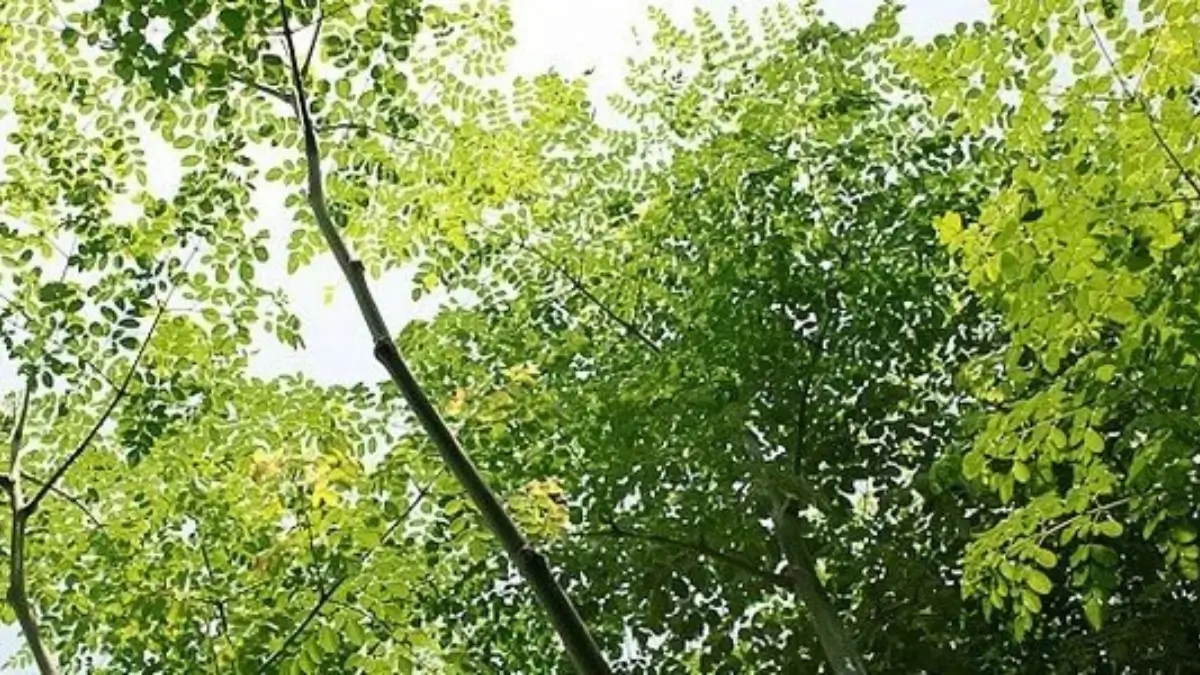
Some trees are more than just plants—they provide food, medicine, and support the environment in many ways. Certain trees are considered very special because almost every part of them can be used to improve health, fight malnutrition, or even help communities earn a living. These trees are highly valued around the world for their unique benefits and their ability to survive in tough conditions.
What is the Miracle Tree?
The Miracle Tree is scientifically called Moringa oleifera. It is also known as the Drumstick Tree, Horseradish Tree, or Tree of Life. Originally from the sub-Himalayan region of northern India, Moringa is now grown in many tropical and subtropical countries like the Philippines, Ethiopia, and Brazil. This tree grows quickly and can survive in very dry and poor soils.
Why is it Called the Miracle Tree?
Moringa earned the name “Miracle Tree” because every part of it is useful. Its leaves, seeds, flowers, bark, and roots can be eaten, used as medicine, or applied for other purposes. It is full of nutrients and can help fight malnutrition. Its seeds can even clean dirty water, making it a vital tree for survival in many parts of the world.
Nutritional Benefits of Moringa
Moringa is one of the most nutritious plants on Earth. Its leaves and seeds are packed with vitamins, minerals, and proteins:
- Contains 7 times more Vitamin C than oranges.
- Has 15 times more potassium than bananas.
- Offers 17 times more calcium than milk.
- Contains all nine essential amino acids, making it a complete plant protein.
- Packed with over 40 antioxidants that protect the body from diseases.
Because of this, Moringa is often used to fight malnutrition, especially in children and vulnerable populations.
Medicinal Uses of Moringa
For centuries, Moringa has been a part of Ayurvedic medicine. It was believed to prevent and treat hundreds of diseases. Modern research supports many of these claims:
- Helps control blood sugar levels.
- Supports heart health.
- Boosts the immune system.
- Reduces inflammation in the body.
Every part of the tree has some medicinal use, from the roots to the seeds and leaves.
Environmental Importance
Moringa also helps the environment. It can absorb 80–117 kg of carbon dioxide every year, which helps fight climate change. Its fast growth and ability to survive in poor soil make it an important tree for reforestation and sustainable farming.
Moringa and Water Purification
One of the most incredible features of Moringa is its seeds. When crushed, Moringa seeds can purify dirty water. The proteins in the seeds attract impurities, bacteria, and toxins, causing them to settle at the bottom. This makes water cleaner and safer to drink, especially in rural areas without access to clean water.
Fast Growth and Resilience
Moringa grows extremely fast. Some trees can reach 3 meters (10 feet) in their first year. It can survive in sandy, dry soils where almost no other crop can grow. This resilience makes it an important plant in areas facing drought and famine.
Uses for Humans and Animals
Besides feeding humans, Moringa also helps animals. Its leaves can improve milk production in cows by up to 40%. The seeds produce Ben Oil, which is clear, odourless, and resists going bad for a long time. Its flowers are loved by bees, making it useful for honey production as well.


 How many Nuclear Power Plants in India? ...
 List of Important Days in April 2026, Na...
 Do you Know Which is the Most Spoken Lan...