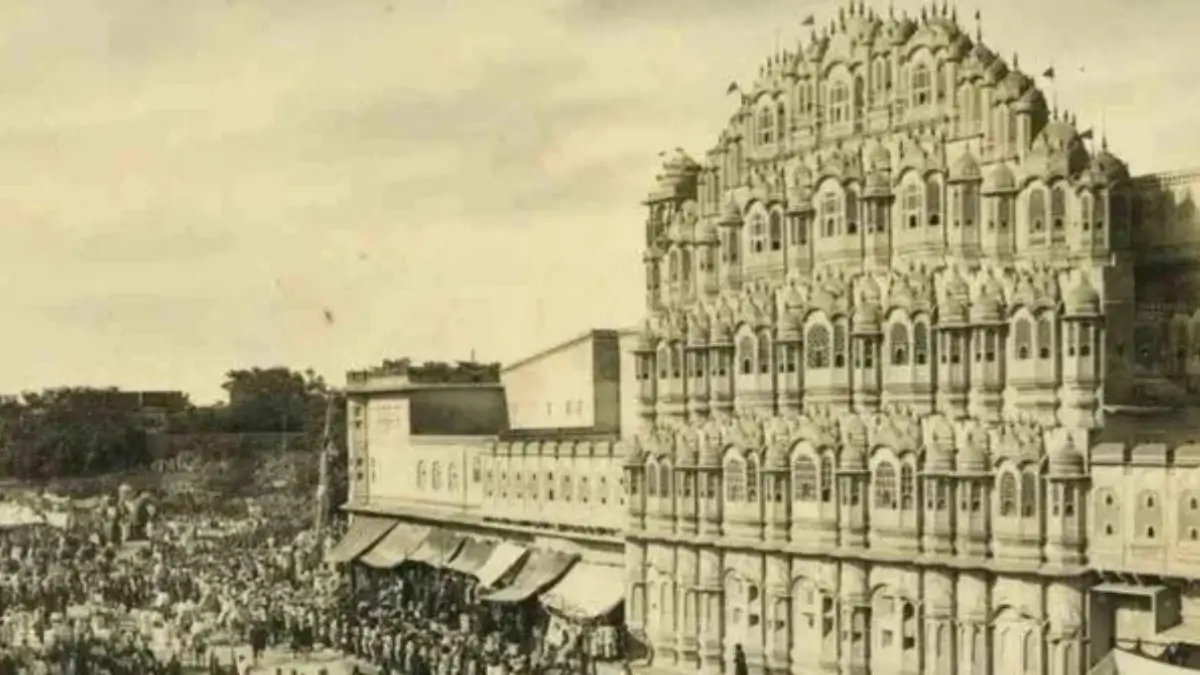
In ancient times, kings built cities not just for living, but also for administration, trade, and defense. Some cities were carefully planned with straight streets, strong walls, and organized markets to make life easier for citizens and ensure smooth governance. These planned capitals became centers of power, culture, and economy, showing the intelligence and foresight of their rulers in managing large empires efficiently.
First King to Build a Planned City in India
The first king in India known to build a planned capital city was Ajatashatru, the ruler of Magadha (around 492–460 BC). He transformed the small village of Pataligrama into the fortified city of Pataliputra. Ajatashatru carefully planned its walls, moats, gates, and towers, using engineers and architects. His city became a strong political and military center, laying the foundation for future empires like the Nanda, Maurya, and Gupta.
Who was Ajatshatru?
Ajatashatru, which means “unconquered,” ruled the kingdom of Magadha from around 492 to 460 BC. His reign was marked by military victories and political growth. Historical records from Buddhist and Jain texts describe him as a strong and strategic ruler who made significant administrative changes during his time.
The Birth of Pataliputra
Before Ajatashatru, the area now called Pataliputra was known as Pataligrama, a small village. Ajatashatru chose this location because it was on the Ganges River, making it easy to control river routes and defend the kingdom. He built the city as a fortified political and military center, laying the groundwork for a thriving capital.
Planned Fortifications and City Layout
Ajatashatru’s city planning included:
- Strong walls made of wood and earth to protect the city.
- Deep moats around the city to stop enemy attacks.
- Guard towers and gates to control entry and defense.
These features show that Ajatashatru carefully planned Pataliputra to protect its people and serve as a stronghold for Magadha.
Strategic Importance of Pataliputra
The city’s location helped Ajatashatru:
- Control river routes for moving troops.
- Defend against attacks from the north and east.
- Expand Magadha’s influence over surrounding regions.
Pataliputra was not just a city—it was a key military and administrative hub.
Use of Engineering and Architects
Ajatashatru involved engineers, architects, and workers to design and build Pataliputra. This makes him one of the earliest kings to use state resources for city construction, setting an example for planned urban development in India.
Legacy of Ajatashatru
Ajatashatru’s city planning left a lasting impact on India. Pataliputra later became the capital for the Nanda, Maurya, and Gupta empires. His work shows that he was the first Indian king to plan a capital city, combining strategic, military, and administrative needs into one well-organized metropolis.


 In Which Year was the First Internationa...
 Which District is known as the Litchi Ca...
 Which Indian City is known as the London...