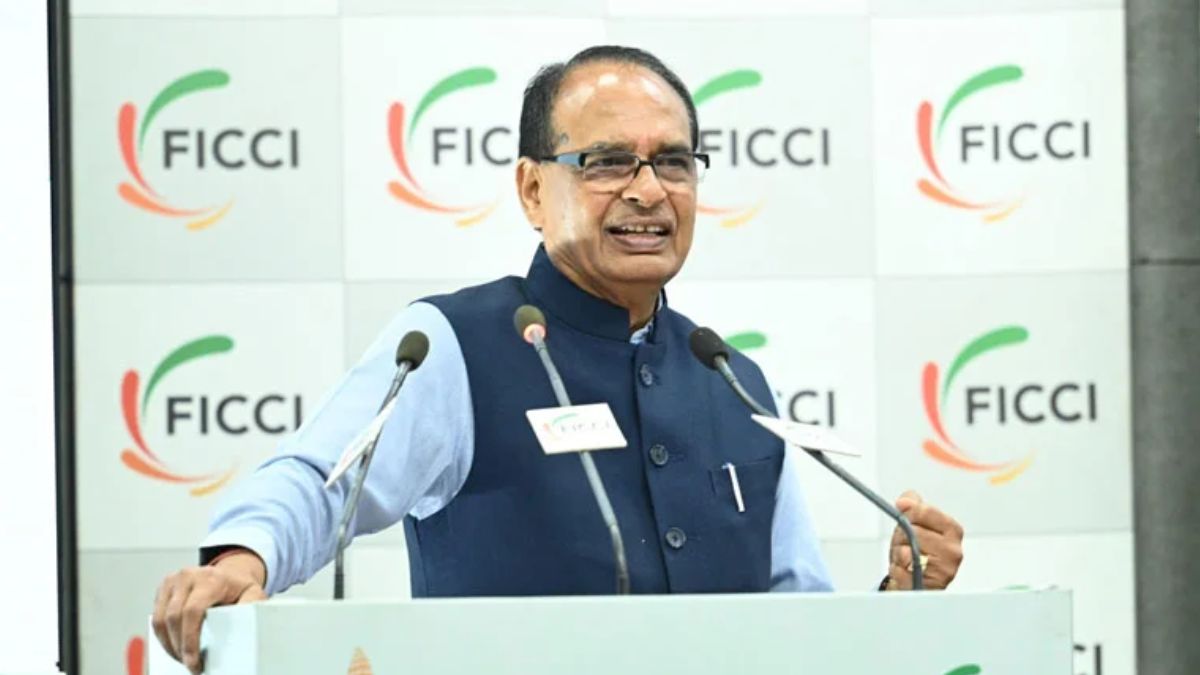
On July 7, 2025, Union Agriculture Minister Shivraj Singh Chouhan opened the 11th India Maize Summit in New Delhi, organized by FICCI and the Indian Institute of Maize Research (IIMR). He shared the government’s new vision for a “Maize Revolution” to improve farmers’ income, boost maize production, and support sustainable farming. The event highlighted key programs and partnerships shaping India’s maize sector.
A Vision for Maize Growth
At the summit, Minister Chouhan said that the government’s focus remains on “farmers first”. He shared a detailed roadmap to improve maize production using better research, farmer education, and modern farming techniques.
India’s maize production has grown from 10 million tonnes in 1990 to over 42 million tonnes in recent years. The target is to reach 86 million tonnes by 2047. However, India’s average maize yield is 3.7 tonnes per hectare, which is still below the global average.
Lab to Land: Connecting Science to Farms
Under the Viksit Krishi Sankalp Abhiyan, nearly 11,000 scientists and agriculture officers were sent to 7,000–8,000 villages to directly work with farmers. The goal is to bring scientific solutions from labs to fields and help farmers apply better methods.
UP’s Big Push for Maize
Uttar Pradesh Agriculture Minister Surya Pratap Shahi shared success from the UP Accelerated Maize Development Program, a five-year state initiative. Maize was promoted as a crop for diversification, and this year, maize was planted on 5.4 lakh hectares in 24 districts. Satellite surveys confirmed the expansion.
The state’s average yield is now 34 quintals per hectare, and it may cross 40 quintals this season. Around 15 companies are now involved in maize processing, and the government is working on value-added uses like fiber and eco-friendly plastic alternatives.
Expert Views and Market Trends
Dr. H.S. Jat, Director of ICAR-IIMR, said maize production must grow by 8–9% yearly to meet the E30 ethanol blending target by 2030. The goal is to produce 65–70 million tonnes by then. He explained that improved maize varieties with higher starch and fermentable content are being developed to increase ethanol output.
Subroto Geed, Co-Chair of FICCI’s Agriculture Committee, said maize is more than just a crop—it’s key to India’s food security, biofuel, and livestock feed. He urged for better technology, seed systems, and digital farming tools to make India a climate-smart maize economy.
Sunjay Vuppuluri from YES Bank shared that maize is India’s fastest-growing cereal. In the past 10 years, area under maize grew 31%, and production rose 75%. But demand is growing faster than supply. Poultry feed (51%) and ethanol (18%) are top uses.


 India Pharma 2026 Conference: Advancing ...
 WTO MC14 2026 Explained: Agenda, Issues,...
 International Rail Coach Expo 2026 Inaug...