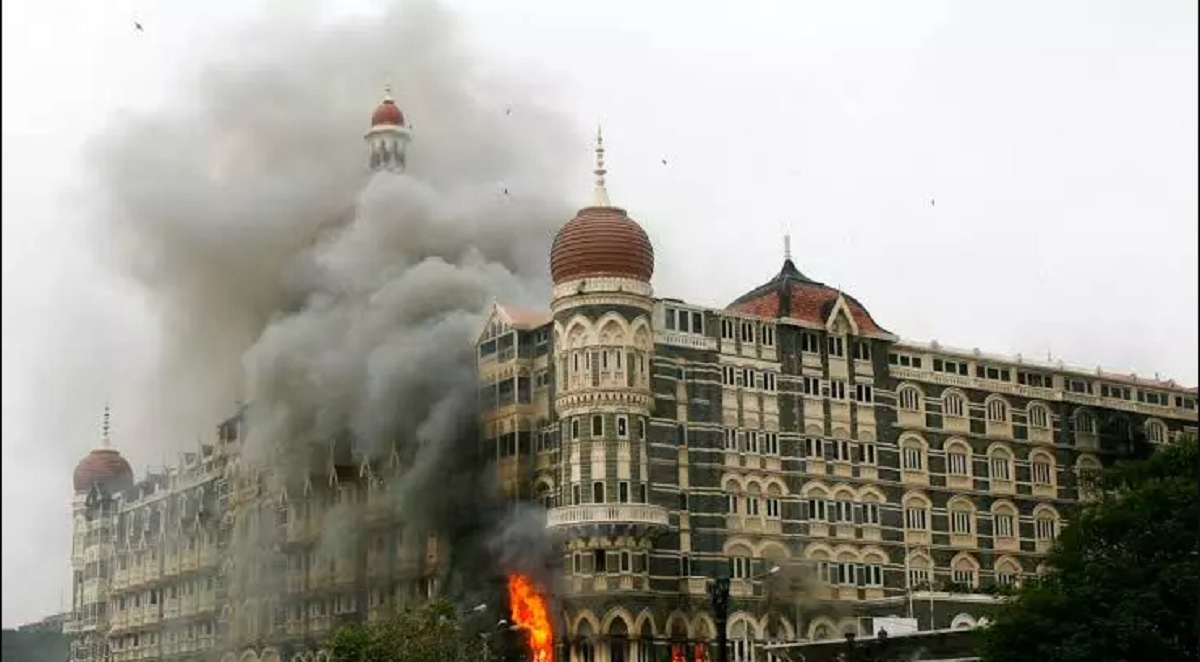
On 26 November 2008, India witnessed one of the deadliest terror attacks in its history, commonly referred to as the 26/11 Mumbai Terror Attacks. Orchestrated by Pakistan-based terrorist group Lashkar-e-Taiba (LeT), the assault left 166 people dead and over 300 injured, causing widespread panic and drawing international condemnation.
As the country marks the 17th anniversary of the attack in 2025, solemn tributes are being paid across Mumbai to honour the martyrs, victims, and survivors of this tragic event.
What Happened on 26/11?
A group of 10 heavily armed terrorists entered Mumbai via the sea route from Pakistan. Over four horrifying days, they launched coordinated attacks across prominent public locations in the city. Their targets were carefully chosen for maximum psychological and international impact, including:
- Taj Mahal Palace Hotel
- Oberoi Trident Hotel
- Chhatrapati Shivaji Maharaj Terminus (CSMT)
- Leopold Cafe
- Nariman House (Jewish Chabad Centre)
- Cama Hospital
- Metro Cinema junction
The siege caused chaos, paralysis, and terror in India’s financial capital, as security forces fought to regain control of the city.
Heroism Amid Horror
Among the many acts of bravery during the attacks, Assistant Sub-Inspector Tukaram Omble emerged as a national hero. He sacrificed his life while capturing Ajmal Amir Kasab, the lone surviving terrorist, who later became a key figure in the investigation.
Kasab was tried in India, awarded the death penalty in May 2010, and was executed in November 2012 at Yerwada Central Jail in Pune.
Nation Remembers: 17th Anniversary Observance in 2025
This year, the Ministry of Home Affairs and NSG Mumbai are organising a memorial ceremony at the Gateway of India, themed ‘Neverever’, to reaffirm the nation’s zero-tolerance policy towards terrorism.
Key elements of the tribute include:
- Floral tributes, candles, and a dedicated memorial zone with photographs of the victims and martyrs
- A symbolic ‘Living Memorial’ created from wax of candles lit in homage
- Pledge-taking ceremonies in 26 schools and 11 colleges across Mumbai, promoting youth awareness and national security
- Illumination of the Gateway of India in the tricolour, displaying the word ‘Neverever’ as a message of eternal vigilance
Global and Legal Developments
In a related development, the National Investigation Agency (NIA) has approached the United States government through the Mutual Legal Assistance Treaty (MLAT) for additional information on Tahawwur Rana, one of the alleged masterminds of the attack.
Rana’s interrogation, following his extradition to India, has opened new leads in the long-standing investigation of the 2008 terror plot, suggesting continued international cooperation in counter-terrorism efforts.
Significance of 26/11 in India’s Security Policy
The 26/11 attacks were a major turning point in India’s counter-terrorism strategy. They exposed lapses in coastal security, intelligence sharing, and urban counter-terrorism preparedness. In response, India:
- Strengthened the National Security Guard (NSG)
- Created the National Investigation Agency (NIA)
- Enhanced coastal and maritime security frameworks
- Promoted international cooperation on terrorism-related cases
The phrase “Never Forget 26/11” continues to serve as a solemn reminder of the price of complacency and the importance of resilience.


 Russia and China Veto UN Resolution to R...
 France Hosts One Health Summit Under G7 ...
 Newcastle Disease Spread in Europe 2026:...