Naseem Al Bahr 2026: Indian Navy and Royal Navy of Oman Conduct 15th Edition of Maritime Exercise

The 15th edition of the bilateral maritime exercise between the Indian Navy and the Royal Navy of Oman, Naseem Al Bahr (Sea Breeze) was conducted to strengthen naval cooperation, interoperability and better mutual understanding. This was conducted through SMEEs in the harbour phase and joint naval operations in the at-sea phase. It demonstrates the strengthening maritime relationship between India and Oman and complements India’s regional maritime vision of MAHASAGAR.

Naseem Al Bahr 2026 – Key Facts

  • Exercise: Naseem Al Bahr
  • Translation: Sea Breeze
  • Edition: 15th
  • Countries Involved: India, Oman
  • Navies Involved: Indian Navy, Royal Navy of Oman
  • Indian Navy Ship: INS Surat
  • Oman Navy Ship: Al-Mu’azzar
  • Primary Objective: Improve naval cooperation and interoperability.
  • Phases: Harbour Phase, At Sea Phase

Harbour Phase – Subject Matter Experts Exchange

Experts from both of the navies conducted Subject Matter Expert Exchanges (SMEEs).

They discussed topics such as;

  • Explosive Ordnance Disposal (EOD) – Detecting, dealing with and disposing of explosive devices.
  • Mine Counter Measure – Detecting, identifying and dealing with naval mines.
  • Hydrography – Measuring and describing physical characteristics of water such as seabed, depth and coastline.
  • This enabled the exchange of operational methods and improve professional cooperation.

At Sea Phase – Joint Naval Operations

During the at sea phase both of the ships participated in,

  • INS Surat – Indian Navy.
  • Al-Mu’azzar – Royal Navy of Oman.

Their key activities were;

1) Visit, Board, Search & Seizure (VBSS) – Conducting joint exercises which involved boarding and searching vessels. This skill is relevant to naval security operations such as counter-piracy and anti-smuggling.

2) Crossdeck Operations – Activities which involve moving personnel between the vessels. This enables the naval personnel to gain an understanding of each others procedures.

IMNEX-26: 8th India-Myanmar Naval Exercise Begins at Visakhapatnam

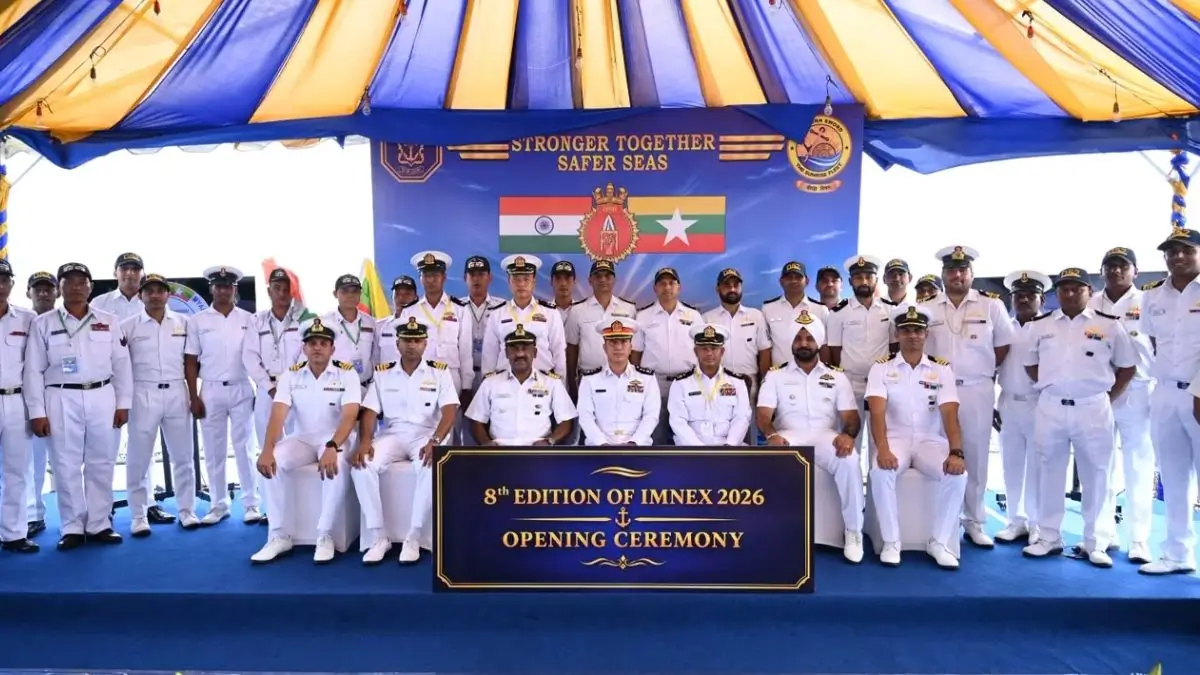
The 8th edition of the India–Myanmar Naval Exercise (IMNEX-26) is conducted at the Visakhapatnam from 10 to 14 November 2026. The bilateral exercise involves the Indian Navy ships INS Rana and INS Sumedha, along with Myanmar Navy Ship UMS King Sin Phyu Shin. The exercise aims to strengthen maritime cooperation, improve mutual understanding and enhance operational coordination between the two neighbouring countries.

Key Details of IMNEX-26

  • Exercise: India-Myanmar Naval Exercise (IMNEX-26)
  • Edition: 8th
  • Participating countries: India and Myanmar
  • Venue: Visakhapatnam, Andhra Pradesh
  • Dates: 10–14 November 2026
  • Indian Navy ships: INS Rana and INS Sumedha
  • Myanmar Navy ship: UMS King Sin Phyu Shin
  • Opening ceremony: 10 November 2026
  • Host service: Indian Navy

Participating Naval Ships

Three naval vessels are participating in the exercise:

  • INS Rana: An Indian Navy guided-missile destroyer.
  • INS Sumedha: An Indian Navy offshore patrol vessel.
  • UMS King Sin Phyu Shin: A Myanmar Navy ship that arrived at the Visakhapatnam on 10th of November 2026.

The opening ceremony was held onboard INS Rana on 10 November 2026 and marked the commencement of the bilateral exercise.

Two Phases of IMNEX-26

The exercise is divided into two phases: the Harbour Phase and the Sea Phase.

1. Harbour Phase

The Harbour Phase focuses on professional interaction and knowledge exchange between the participating navies. Its activities include,

  • Professional interactions and discussions on operational matters.
  • Subject Matter Expert Exchanges (SMEEs).
  • Cross-deck visits between participating ships.
  • Sporting engagements.
  • Exchange of professional expertise and operational knowledge.

2. Sea Phase

The Sea Phase focuses on practical maritime cooperation and operational coordination. It includes,

  • Coordinated maritime operations.
  • Tactical manoeuvres.
  • Joint naval exercises.
  • Activities to improve interoperability between participating naval units.

Significance of IMNEX-26

IMNEX-26 provides a platform for India and Myanmar to strengthen their maritime partnership through professional exchanges and coordinated naval activities.

The exercise is expected to improve mutual understanding, develop operational synergy and enhance the ability of both navies to work together. It also reflects their shared commitment to maintaining a secure and stable maritime environment in the region.

The exercise is aligned with India’s MAHASAGAR vision, which stands for Mutual and Holistic Advancement for Security and Growth Across Regions. The vision emphasises cooperation with maritime partners and regional countries.

Sea Vigil-26: Indian Navy to Coordinate 5th Pan-India Coastal Defence Exercise

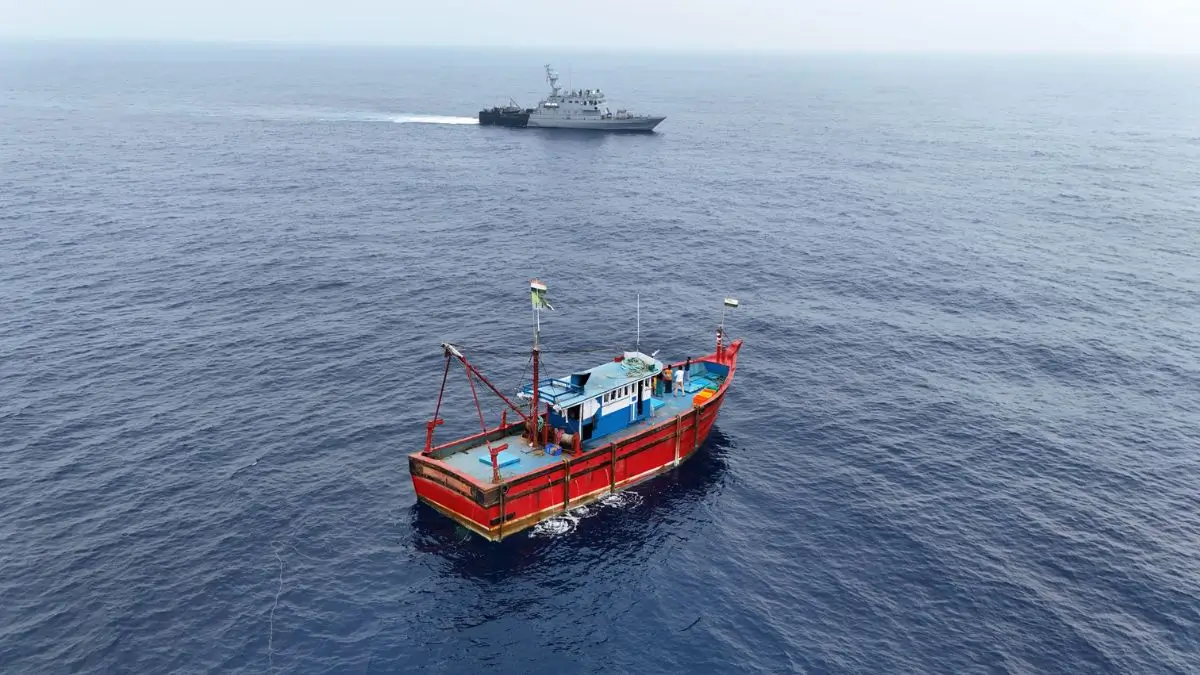
The Indian Navy is organizing the 5th edition of the Pan-India Coastal Defence Exercise, called Sea Vigil-26 from 11th to 19th November 2026. This exercise aims to evaluate the preparedness of coastal defence and maritime security along the entire Indian coast and Exclusive Economic Zone. This will be conducted by the Indian Navy, Indian Coast Guard, Coastal Security Police, Customs, Coastal States and Union Territories along with fishing and coastal communities. It was conceived in 2018 after the 2008 Mumbai terror attacks.

Overview of Sea Vigil-26

  • Exercise: Sea Vigil-26
  • Edition: 5th
  • Organized by: Indian Navy
  • Nature: Pan-India Coastal Defence Exercise
  • Date: 11th Nov 2026 to 19th Nov 2026
  • Area covered: Entire Indian Coast and EEZ
  • Involves regions: All Coastal States and Union Territories
  • Conceived: 2018
  • Objective: Evaluate maritime security and coastal defence
  • Related Exercise: TROPEX

Phases of the Exercise

The exercise will be conducted in two phases,

Phase Date Objective
Coastal Defence and Security Readiness Evaluation (CDSRE) 11th Nov 2026 to 17th Nov 2026 Evaluates coastal defence and security readiness
Sea Phase 18th Nov 2026 to 19th Nov 2026 Evaluate maritime security and conduct activities at sea

This will create an opportunity to evaluate the preparedness of various agencies and maritime stakeholders.

List of Various Agencies Involved

The exercise involves various central and state level agencies.

Major agencies involved are,

Indian Navy

  • Indian Coast Guard
  • Coastal Security Police
  • Customs
  • Various other maritime agencies
  • Coastal States and Union Territories
  • Fishing Community

Various ministries have been involved in facilitating the exercise.

  • Ministry of Defence
  • Ministry of Home Affairs
  • Ministry of Ports, Shipping and Waterways
  • Ministry of Petroleum and Natural Gas
  • Ministry of Fisheries, Animal Husbandry and Dairying

Involving coastal communities is important as fishermen and others living along the coast can help with maritime surveillance.

Why was Sea Vigil Conceived?

Sea Vigil was conceived in 2018 to verify the measures taken to improve India’s maritime security following the 26 th November 2008 Mumbai Terror Attacks (26/11).

This exercise was created to evaluate the preparedness of agencies involved in security. It helps improve the coordination between organisations tasked with protecting our coastline.

As it is conducted along the entire coastline and EEZ it is a national level assessment.

Link with TROPEX

Sea Vigil also acts as a preparatory exercise for the Indian Navy’s biannual Theatre Level Readiness Operational Exercise (TROPEX).

Exercise and It’s Focus

  • Sea Vigil: Coastal defence and maritime security along the Indian coastline and EEZ
  • TROPEX: Operational readiness and maritime security up to high seas

Overall this provides a broad overview of the maritime security challenges that we face.

Net Direct Tax Collections Rise 11.8% to ₹14.42 Lakh Crore in FY 2026–27

India’s net direct tax collection rise by 11.76 percent to INR 14.42 lakh crore by November 10, 2026 during FY 2026-27. The country’s gross direct tax collection rose by 14.02 percent to INR 17.50 lakh crore during the period. Growth in corporate and non-corporate taxes and a sharp rise in Securities Transaction Tax (STT) contributed to the rise. The government target for direct tax collection in FY27 is INR 26.97 lakh crore.

Direct Tax Collections in FY 2026-27

The Income Tax Department data has shown that there is an increase in most of the major direct tax categories. Notably corporate tax and Securities Transaction Tax have shown significant growth.

Particulars FY27 (up to 10 Nov) Corresponding period in FY26 Growth
Net Direct Tax Collection INR 14.42 Lakh Crore INR 12.90 Lakh Crore 11.76%
Gross Direct Tax Collection INR 17.50 Lakh Crore INR 15.35 Lakh Crore 14.02%
Net Corporate Tax INR 6.32 Lakh Crore INR 5.36 Lakh Crore 17.84%
Net Non-Corporate Tax INR 7.56 Lakh Crore INR 7.18 Lakh Crore 5.30%
Securities Transaction Tax INR 54,077.90 Crore INR 35,681.88 Crore 51.56%
Direct Tax Refund INR 3.08 Lakh Crore INR 2.45 Lakh Crore 25.91%

Source: Income Tax Department Data, November 11, 2026.

Corporate Tax

  • Net Corporate Tax increased by approximately 17.84 percent to INR 6.32 Lakh Crore from INR 5.36 Lakh Crore.
  • Corporate tax is the tax that is charged on the profit or income earned by companies.

Non-Corporate Tax

Net Non-Corporate Tax increased by 5.30 percent to INR 7.56 Lakh Crore from INR 7.18 Lakh Crore.

It covers the tax collected from,

  • Individuals
  • Hindu Undivided Families (HUFs).
  • Firms
  • Association of Persons (AoP)
  • Bodies of Individuals (BoI)
  • Local authority
  • Artificial Juridical persons

Securities Transaction Tax

Securities Transaction Tax saw a significant increase by 51.56 percent to INR 54,077.90 Crore by November 10, 2026 from INR 35,681.88 Crore during the corresponding period in the previous financial year.

STT is the tax that is charged on the purchase or sale of certain securities on Recognised Stock Exchanges.

It is collected during the source of security and plays a major role in contributing to the direct tax collection.

Direct Tax Refund Increased by Nearly 26 Percent

Direct tax refund increased by approximately 25.91 percent to INR 3.08 Lakh Crore during FY27 up to November 10 from INR 2.45 Lakh Crore during the corresponding period in FY26.

To understand the difference between Gross & Net Direct Tax,

  • Gross Collection: Total direct tax collected.
  • Refund: The amount of tax refunded to the taxpayer, if more tax has been deducted/collected.
  • Net Collection: Gross tax collected after deducting the refund.

Therefore, even though the overall direct tax collection increased by 14.02 percent, it increased by only 11.76 percent after considering the increase in refund.

Direct Tax Collection Target for FY27

Union Government has set a target of INR 26.97 Lakh Crore for direct tax collection during FY 2026-27. This is an increase of approximately 15 percent from INR 23.40 Lakh Crore collected during FY26.

The government have achieved approximately 53.5 percent of their target.

  • Actual Direct Tax Collection in FY26: INR 23.40 Lakh Crore
  • Budget Target for FY27: INR 26.97 Lakh Crore
  • Net Tax Collection up to November 10, 2026: INR 14.42 Lakh Crore
  • Achieved Target: Approximately 53.5%
  • Increase in Target over FY26: Approximately 15%

World Pneumonia Day 2026: Date, Theme, History and Significance

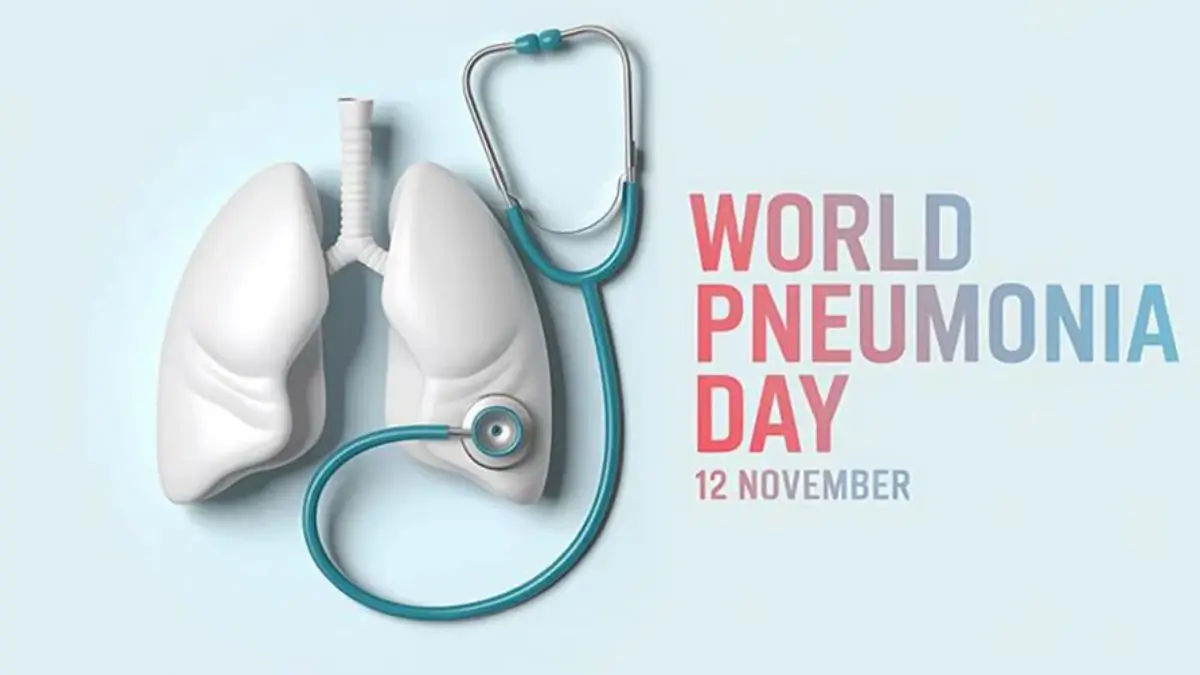
World Pneumonia Day takes place every year on 12th November. In 2026 it will take place on Thursday 12th November and it will have the theme ‘A New Era of Pneumonia Control’. It aims to raise awareness of the importance of preventing pneumonia, identifying it early and receiving effective treatment.

Pneumonia is a leading cause of death globally and can be prevented and treated. In 2023 it is estimated that around 2.5 million people died from pneumonia worldwide. Around 610,000 children under the age of five also died.

World Pneumonia Day 2026: Key Facts

  • Detail: World Pneumonia Day
  • Date: 12th November
  • Day in 2026: Thursday
  • Established: 2009
  • Initiative: Stop Pneumonia Initiative
  • Theme: A New Era of Pneumonia Control
  • Purpose: To raise awareness, prevent, identify and treat pneumonia.
  • Target Group: Children under five and older adults.
  • Global deaths: 2.5 million
  • Children under five deaths: 610,000

World Pneumonia Day History & Why It’s Important

World Pneumonia Day was first celebrated in 2009 to raise awareness of pneumonia, which is often referred to as ‘the forgotten killer of children’.

It was established by the Stop Pneumonia Initiative. This initiative brings together healthcare professionals, researchers, advocates and organisations to encourage action towards reducing deaths caused by pneumonia.

Since then World Pneumonia Day has been celebrated every year on 12 th November to,

  • Raise awareness of pneumonia and how it affects your health.
  • Encourage vaccination and preventative measures.
  • Identify it early and provide treatment.
  • Ensure people can receive healthcare, especially those who are vulnerable.
  • Increase global efforts to reduce
  • deaths.

World Pneumonia Day 2026 Theme

Theme: A New Era of Pneumonia Control

This theme looks at the progress made in preventing, identifying and treating pneumonia. It emphasises the importance of ensuring this progress reaches those most at risk.

The main focus of this theme is to,

  • Increase vaccine availability and preventative healthcare.
  • Early identification and access to correct treatment.
  • Reduce malnutrition, indoor and outdoor air pollution and tobacco exposure.
  • Improve healthcare systems and healthcare professional training.
  • Ensure diagnostic tools and treatment are available in low and middle income countries.

What is Pneumonia?

Pneumonia is an infection that causes inflammation in the air sacs (alveoli) in your lungs. The air sacs can get filled with fluid or pus, making it harder for oxygen to get into your blood.

There are several causes of pneumonia. These causes can include,

  • Bacteria – One of the main causes of bacterial pneumonia is Streptococcus pneumoniae.
  • Viruses – Pneumonia can be caused by respiratory syncytial virus (RSV), influenza and other respiratory viruses.
  • Fungi – Pneumonia can be caused by some fungal infections. Those with weaker immune systems are more at risk.
  • Pneumonia can range from a mild infection to a life threatening illness. Severe cases can result in respiratory failure, sepsis and other complications.

Common Symptoms of Pneumonia

Symptoms can come on quickly or slowly. Some common symptoms to look out for are,

  • A persistent cough – sometimes with phlegm.
  • Fever and chills.
  • Fast or difficult breathing.
  • Chest pain – especially when breathing or coughing.
  • Tiredness and weakness.
  • Blue lips or fingertips – this can indicate you are not getting enough oxygen.
  • Confusion – especially in older adults.

If you are struggling to breathe, have blue lips, are excessively sleepy or confused it is important to seek medical attention. Pneumonia cannot be diagnosed based on symptoms. You will need to see a qualified healthcare professional.

Treating Pneumonia

Pneumonia can be treated. What treatment you receive will depend on the cause, severity and your overall health.

Treatment & Purpose

  • Antibiotics: To treat bacterial infection.
  • Antivirals: For certain viral infections.
  • Antifungals: To treat fungal infections.
  • Oxygen: To help keep oxygen levels at the right level.
  • Supportive care: Hydration, eating well and resting.
  • For severe cases so they can be monitored and given advanced treatment.

Antibiotics will not work for viral infections. Medication should only be prescribed by qualified healthcare professionals. Do not self medicate or use any leftover antibiotics.

How To Prevent Pneumonia

Preventing pneumonia involves vaccination, good hygiene, eating well and having clean air and healthcare.

Vaccination: Vaccination can help to protect against several infections that can cause pneumonia or severe respiratory problems. Important vaccinations include,

  • Pneumococcal Conjugate Vaccine (PCV).
  • Haemophilus influenzae type b (Hib).
  • Flu.
  • Measles.

Good Hygiene: Washing your hands regularly, covering your mouth and nose when coughing/sneezing and keeping away from those who are infected can help.

Eating Well: Eating well and breastfeeding as a baby will help build up your immunity and protect against infections.

Reduce Air Pollution: Improving ventilation in your home, using cleaner cooking fuel and limiting tobacco smoke and outdoor air pollution can help.

Early diagnosis & treatment: Identifying symptoms early and seeking medical assistance can help to prevent complications.

Yuge Yugeen Bharat Museum: ₹3,230 Crore Project Approved at North and South Block, New Delhi

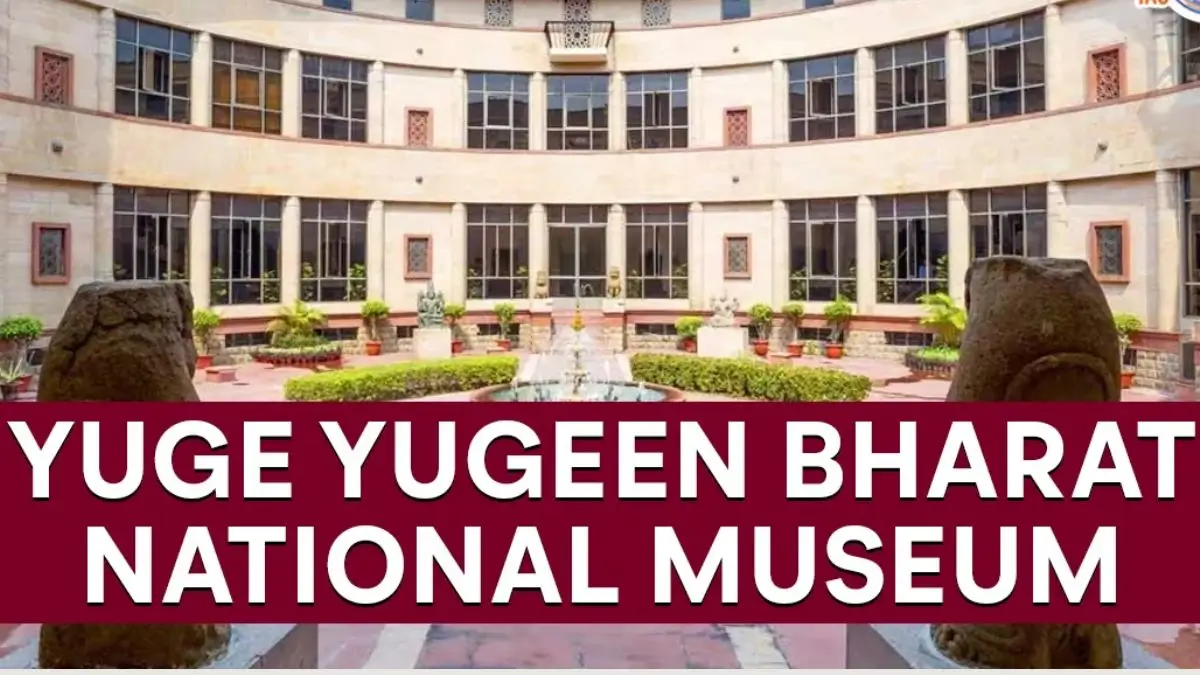
The Cabinet Committee on Economic Affairs (CCEA), which is headed by Prime Minister Narendra Modi, has approved the creation of the Yuge Yugeen Bharat Museum (YYBM). The project, which will cost an estimated Rs 3,230 crore has been approved for implementation between FY 2026-27 and FY 2030-31. The large scale museum will showcase India’s rich culture, knowledge and traditions through themed galleries.

What is the Yuge Yugeen Bharat Museum?

The Yuge Yugeen Bharat Museum will be a national level museum aimed at showcasing the continuity, diversity and richness of India’s civilisation through artefacts and galleries. The museum will utilise both tangible and intangible artefacts.

The museum will be created through retrofitting the historic North and South Blocks.

It will have the largest exhibition space globally with the proposed built up area of 1,78,509 sq.m.

Features of the Yuge Yugeen Bharat Museum:

  • Name: Yuge Yugeen Bharat Museum (YYBM)
  • Location: North and South Block Complex, New Delhi
  • Nodal Ministry: Ministry of Culture
  • Estimated Cost: Rs 3,230 Crore
  • Built up Area: 1,78,509 sq.m
  • Timeline: FY 2026-27 to FY 2030-31
  • Capacity: 1 crore visitors annually
  • Appraisal by: Public Investment Board
  • First Gallery: Adornment
  • Opening Date: Late 2027

Themes of Yuge Yugeen Bharat Museum

The museum will showcase the history of India’s civilisation through themed galleries.

The main themes include,

  • Adornment – The first gallery. Expected to open in the North Block in late 2027.
  • Architecture – Showcasing India’s architectural heritage.
  • Mathematics and Astronomy – Showcase India’s achievements within mathematics and astronomy.
  • Languages and Scripts – Showcase the progression of languages within India.
  • Faith and Belief – Showcase the religious heritage of India.
  • Bharat Connects – Showcase how India has connected with other regions through trade and ideas.

Approximately 1.8 million artefacts have been identified to be displayed. Artefacts will be sourced from the National Museum, other museums under the Ministry of Culture, 52 museums under the Archaeological Survey of India (ASI), State Museums and private collections.

The project will be done using a modular approach.

Background of the Project

The museum was announced by PM Narendra Modi on 18th May 2023.

Due to the relocation of government offices from the North and South Blocks, there was an opportunity to utilise these historic buildings.

On 27 th July 2026 the project was appraised by the Public Investment Board (PIB). The Ministry of Culture agreed with the recommendations and the project was approved by the Cabinet in November 2026. The museum has been approved to be created with an estimated cost of Rs 3,230 Crore.

Timeline of Museum

  • 18th May 2023: Project Announced
  • 27th July 2026: Appraised by PIB.
  • 11th November 2026: Cabinet Approved
  • FY 2026-27 to FY 2030-31: Project Implementation
  • Late 2027: First Gallery opens.

Impact of the Museum

1. Preservation of Heritage

This museum will provide a single source of documentation and showcasing of India’s tangible and intangible artefacts.

2. Retrofitting of heritage buildings

The North and South Blocks will be given new life as a public cultural facility.

3. Boost for Cultural Tourism

With the ability to provide 1 crore visitors annually the museum will be a major attraction for domestic and international visitors.

4. Educational

Will help the public learn about the history of India and provide research opportunities.

5. Job Creation

During construction and operation of the museum there will be new jobs created for artisans, researchers, museologists, designers, performers and tourism related roles.

6. Make in India

Opportunities will be provided for domestic manufacturers, artisans, conservators and technology providers through vendor development and creating artefacts.

Cost of Project and Income

The project is estimated to cost Rs 3,230 Crore. This will include the cost of creating galleries, storage for artefacts, conservation areas, visitor facilities, immersive technology, landscaping, intelligent building systems and infrastructure.

The museum will provide recurrent income through,

  • Ticket Sales
  • Food facilities
  • Events and Hire
  • Digital experiences
  • Retail outlets

Noida Metro Aqua Line Extension Approved: 8.449-km Corridor to Connect Noida Sector-51 with Greater Noida Sector-4

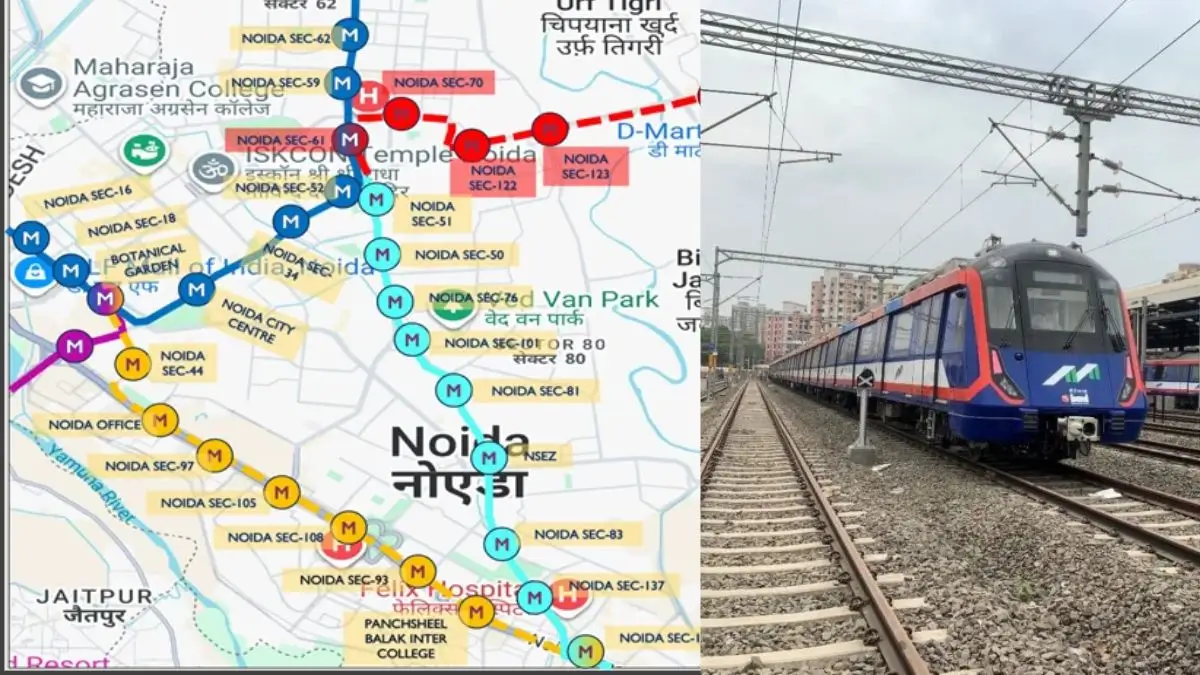
The Union Cabinet, chaired by PM Narendra Modi has approved the extension of Noida Metro Aqua Line from Noida Sector-51 to Greater Noida Sector-4. The new Metro Rail project will be a 8.449 km long elevated corridor comprising of five stations. After the completion of the project, the total length of the Metro Rail network of both Noida and Greater Noida will be increased to 71.878 km.

Noida Metro Aqua Line Extension: Important Details

  • Name of the Project: Noida Metro Aqua Line Extension
  • Route Approved: Noida Sector-51 to Greater Noida Sector-4
  • Length of the Corridor: 8.449 km
  • Number of Stations: 5
  • Type of Station: Elevated
  • Interchange Provided with: Noida Sector-61 Blue Line
  • Total Length of Metro after Completion: 71.878 km
  • Location of the Project: Uttar Pradesh

Project Details

The Metro Rail project will cost around 2390 crores. The new corridor is likely to improve connectivity between Noida, Greater Noida and Greater Noida West.

It will improve connectivity for individuals traveling to the employment and residence hubs of the region. The project is likely to be completed within three years.

Interchange with Delhi Metro Blue Line

A key feature of this project is that it provides an interchange facility with Delhi Metro Blue Line at Noida Sector-61.

This improved connectivity is likely to make traveling between Noida, Greater Noida and other regions of the National Capital Region (NCR) easier. It will also provide better access to various transport hubs like rail stations, bus stops and airports.

Important Locations to be Benefited

The corridor will provide better connectivity to various important commercial, residential and institutional locations.

Category Important Locations
Commercial Gaur City Mall, H&S Mall, Blue Sapphire Mall, IKEA, Anthurium Mall
Information Technology Tech Mahindra, TCL Tech, Oil Industry Development Board, Golden I
Educational Delhi Public School, Noida Sector-122
Medical Kailash Hospital, Cloud9 Hospital, Rama Hospital
Residential Cleo County, Gaur City 1, Gaur City 2

These locations have been identified by the Ministry of Housing and Urban Affairs as likely to benefit from increased Metro connectivity.

Cabinet Approves ₹5,000 Crore Corpus for Mudra Loan Guarantees

Union Cabinet headed by Prime Minister Narendra Modi has approved the continuation of Credit Guarantee Fund for Micro Units (CGFMU) for a period of 5 years till 31st March 2031 with a corpus of Rs. 5000 crore. This scheme will enable sanctioning of Rs. 12.6 lakh crore in loans over the next 5 years. This scheme offers guarantee to lending institutions for eligible loans.

What is Credit Guarantee Fund for Micro Units?

The Credit Guarantee Fund for Micro Units (CGFMU) was introduced in January 2016 to promote lending for micro enterprises. It offers guarantees to eligible lending institutions.

It is operated by the National Credit Guarantee Trustee Company Limited (NCGTC). This offers lending institutions more confidence to provide loans, including unsecured loans, to eligible borrowers.

Key Highlights

  • Scheme Name: Credit Guarantee Fund for Micro Units (CGFMU)
  • Launched: January 2016
  • Period Approved: 5 years
  • Valid Until: 31st March 2031
  • Corpus Approved: Rs. 5,000 crore
  • Expected Loan Facilitation: Rs. 12.6 lakh crore over 5 years
  • Trustee: National Credit Guarantee Trustee Company Limited (NCGTC)
  • Applicable for: FY 2026-27 to FY 2030-31
  • Finance Commission: 16th Finance Commission

Benefits Provided

Guarantee for the following credit facilities,

  • Loans under PMMY – Loans up to Rs. 20 Lakh to eligible micro-enterprises under Pradhan Mantri Mudra Yojana.
  • Overdraft under PMJDY – Overdraft facility up to Rs. 10,000 under Pradhan Mantri Jan-Dhan Yojana by banks.
  • Loans to Self Help Groups – Loans to SHGs with a portfolio between Rs. 10 Lakh to Rs. 20 Lakh.

Calculation of Guarantee

Guarantee is based on the actual exposure of lending institutions.

  • Working Capital Limits – Based on amount disbursed.
  • Term Loans – Based on outstanding loan amount.
  • This ensures that the guarantee is based on the exposure of the lending institution.

Reduction in Guarantee Charges

The annual guarantee charges have been reduced for the applicable loans. However, there has been no changes in the charges for SHG loans.

Type of Loans Previous Charge New Charge
Non-SHG Loans 1% per annum 0.75% per annum
SHG Loans (Year 1) 0.25% Nil
SHG Loans (Year 2+) 0.50% Nil

This provides lending institutions with lower guarantee charges.

Performance of Pradhan Mantri Mudra Yojana

As of September 2026, over 60.36 crore loans have been sanctioned by lending institutions worth Rs. 43.34 lakh crore since the introduction of PMMY.

Continuation of CGFMU will enable an additional Rs. 12.6 lakh crore in PMMY loans to be sanctioned between FY 2026-27 to FY 2030-31.

Static Facts About Scheme

  • Pradhan Mantri Mudra Yojana (PMMY):
  • Introduced on 8th April 2015.
  • Aims to provide institutional credit to micro and small business units.
  • MUDRA – Micro Units Development and Refinance Agency Ltd.
  • Provides unsecured loans via eligible lending institutions.
  • Shishu, Kishor, Tarun & Tarun Plus.

Impact of Scheme

  • The continuation of CGFMU will help increase the availability of formal credit to micro enterprises. As it provides guarantee to lending institutions, they are more likely to provide loans to borrowers.
  • This will help new entrepreneurs, self-employment and growing small businesses. The reduction in guarantee charges may also provide an incentive to lend.

Public Service Broadcasting Day 2026: History, Significance and Gandhi’s Historic AIR Address

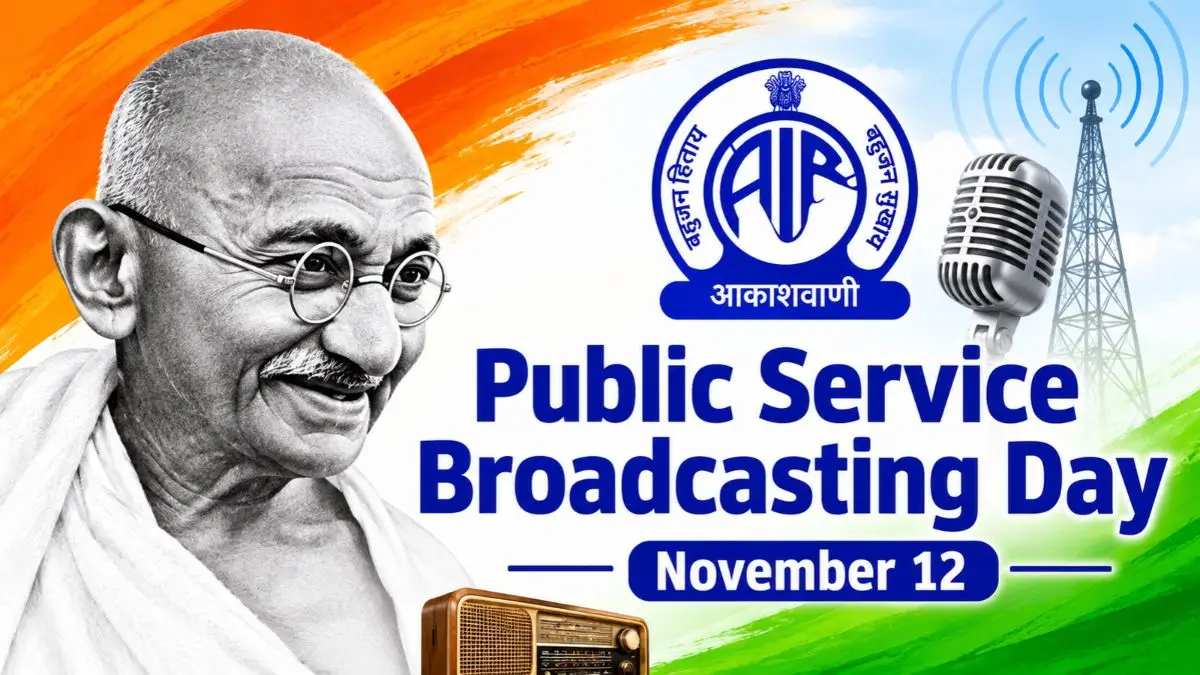
Public Service Broadcasting Day 2026 (Jan Prasaran Divas) is celebrated on 12th November to coincide with a Historic Radio Address by Mahatma Gandhi broadcast by All India Radio (AIR). He used this opportunity to reach out to the refugees affected by the Partition of India who were staying in a refugee camp in Kurukshetra. It emphasises on raising awareness of the importance of public services in offering accurate information, promoting education, increasing diversity and benefiting the general public.

History of Public Service Broadcasting Day

Gandhi’s Historic Radio Address

  • On 12th November 1947 Mahatma Gandhi visited the Broadcasting House of All India Radio.
  • Mahatma Gandhi addressed over 2 lakhs refugees who were staying in Kurukshetra, Haryana in a refugee camp after the Partition of India.
  • This was broadcast on Deepavali. Gandhi was unable to visit the refugees personally hence he addressed them via radio.
  • During the visit he was accompanied by freedom fighter Rajkumari Amrit Kaur.
  • This was his only visit to the AIR studio.

The address showed how radios can be used to connect leaders with their people during challenging times.

When Was the Day Recognised?

In 2000 the current Union Information and Broadcasting Minister Sushma Swaraj announced that 12th November would be celebrated as Public Service Broadcasting Day. It was officially recognised in 2001.

Public Service Broadcasting Day 2026 Theme

There is no specific public theme for Public Service Broadcasting Day 2026.

However, there are celebrations at the India International Centre in New Delhi celebrating the day with a panel discussion about how broadcasting is a Social Contract. This will look at how broadcasters should benefit their citizens.

There will be,

  • An homage at the Gandhi-King Memorial Plaza.
  • Panel discussion in C.D. Deshmukh Auditorium.
  • Discussion about freedom fighter Usha Mehta and her contribution to the underground radio.
  • Panel discussion focussing on how broadcasting is a social responsibility.

The event will also remind us about Usha Mehta being arrested on 12th November 1942 when the underground radio transmitter connected to the freedom movement was seized in Bombay (Mumbai).

Aims of Public Service Broadcasting

Public service broadcasting aims to provide an accessible source of accurate and informative content for society with less focus on commercial gain.

Key aims include,

  • Increasing awareness by providing accurate information regarding Government policies, welfare and key developments.
  • Promote education by increasing awareness around health, hygiene, literacy, farming and social issues.
  • Encourage national integration by encouraging harmony between communities and promoting India’s languages, cultures and traditions.
  • Reach out to remote areas and ensure accessibility for marginalised communities.
  • Support democracy by encouraging informed discussion, responsible communication and accountability.

All India Radio Contribution

All India Radio (AIR) is also known as Akashvani and is India’s public service radio station. It is run under the organisation Prasar Bharati.

Key contributions include,

  • Providing news and information. Broadcasting national and regional news, public notices and Government information.
  • Providing communication to rural areas. Providing programmes around farming, health, education and rural development.
  • Promoting diverse cultures. By promoting regional languages, folk music, literature and traditional art.
  • Providing educational programmes.
  • Encourage national integration. Multilingual radio shows help connect people.

Bapu Studio

  • The historic radio station where Mahatma Gandhi gave his address in 1947 has been named Bapu Studio in 2023.
  • It contains recordings of his historic speech, audio clips from his prayer meetings, photographs and memorabilia from the visit.

Swachh Survekshan Awards 2025-26: Check India’s Cleanest Cities and Winners

President Droupadi Murmu conferred the Swachh Survekshan Awards 2025-26 to acknowledge the best cities/towns to work towards urban cleanliness. The 10th edition of the awards were organised by Department of Urban Development under the Ministry of Housing and Urban Affairs (MoHUA). It helped evaluate the performance of urban local bodies (ULBs) across the country. The awards were presented to the top performing cities, city pairs and special regions. They helped encourage citizen participation, effective waste management and overall improvement in sanitation.

Swachh Survekshan Awards 2025-26

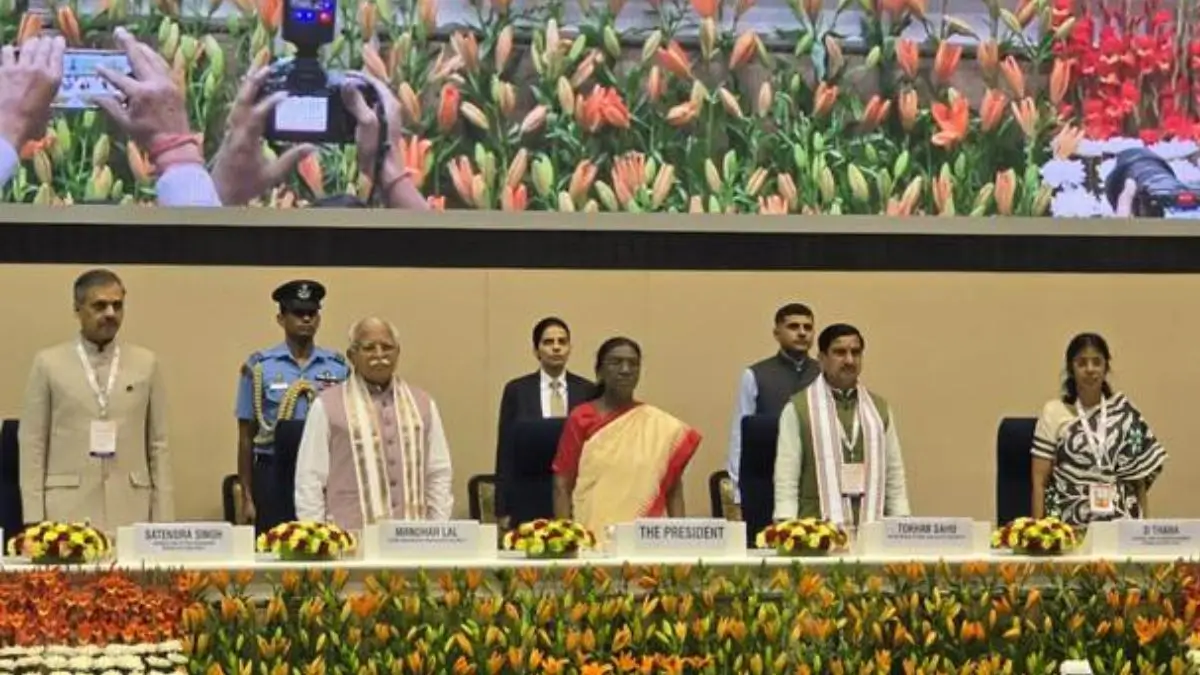
Honorable Union Minister Manohar Lal (Minister of Housing and Urban Affairs, Power) and Tokhan Sahu (Minister of State for Housing and Urban Affairs) were present at the awards.

  • Awards:Swachh Survekshan Awards 2025-26
  • Edition: 10th
  • Awards Given By: President Droupadi Murmu
  • Location: Vigyan Bhawan, New Delhi
  • Ministry: Ministry of Housing and Urban Affairs
  • Organized By: Department of Urban Development
  • Total Awards Announced Nationally: 60
  • Total Cities Evaluated: 4751
  • Total Citizens Surveyed: 2.70 crore
  • Parameters Evaluated: 43
  • Professional Assessors: Over 3000+

Types of Awards: Swachh Shehar Jodi, Super Swachh League, Swachh Shehar (5 categories), Swachh River Front Town, Swachh Coastal Town, Clean Himalayan City, State First Swachh City. There are 5 categories of awards

Top Winners of Swachh Survekshan 2025-26

1. Top Swachh Shehar Jodis

The Swachh Shehar Jodi (SSJ) initiative encourages cities to share knowledge with those who perform better in sanitation. This follows the ‘Each One – Teach One’ principle and is based on the Guru-Shishya model.

The top 3 city pairs were,

Mentor City  Mentee City
Ahmedabad Sanand
Indore Depalpur
Tirupati Kuppam

The ranking was based on the combined score from the mentor cities (cities acknowledged in the 2024-25 survey) and mentee cities. It helps cities with experience to help other ULBs improve sanitation practices.

2. Cleanest Cities in Super Swachh League

The top 3 cities were,

Rank City State
1 Navi Mumbai Maharashtra
2 Surat Gujarat
3 Vijayawada Andhra Pradesh

3. Top Swachh Shehar (Million Plus Population)

The best cities in the Million Plus population category were,

Rank City State
1 GVMC Visakhapatnam Andhra Pradesh
2 Jabalpur Madhya Pradesh
3 Lucknow Uttar Pradesh

4. Cleanest Himalayan Cities

This category was an honourable mention. It focused on celebrating the cities that strive to keep the Himalayan and Hill cities clean.

Rank City State/UT
1 Rudrapur Uttarakhand
2 Jammu Jammu & Kashmir
3 Shopian Jammu & Kashmir

5. Swachh River Front Towns

The category celebrates towns that have strived to keep their rivers/water sources clean.

Rank City State
1 Rewa Madhya Pradesh
2 Bilaspur Chhattisgarh
3 Varanasi Uttar Pradesh

6. Swachh Coastal Towns

This category focuses on keeping the coastal areas clean. Waste management plays an important role in keeping the marine environments, tourist industries and local communities healthy.

Rank City State
1 Puri Odisha
2 Alappuzha Kerala
3 Ratnagiri Maharashtra

7. State First Swachh City Award

The State First Swachh City Award celebrated the top 30 performing cities in each state and UT. It aims to encourage cities to improve cleanliness within their state.

Union Territories were split into two groups,

  • UTs with 5 or fewer ULBs
  • UTs with more than 5 ULBs

Assessment Criteria of Swachh Survekshan 2025-26

The 10th edition of the survey evaluated the urban local bodies using 43 criteria across 10 key areas. Over 3000 professional assessors carried out field visits across the country. These visits were monitored using GPS technology.

A digital and transparent approach was used throughout the process.

Area Evaluated Key Parameters
Waste Segregation Source Segregation
Waste Collection Door-to-Door Collection
Solid Waste Management Processing and Scientific Disposal
Visible Cleanliness Clean Public Spaces
Sanitation Facilities Access to Sanitation
Mechanisation Desludging Services
Institutional Strengthening Building an Eco System
Used Water Management Managing Used Water
Swachhata Advocacy Campaigns
Sanitation Workers Supporting Sanitation Workers
Citizen Participation Citizen Feedback

Key Highlights and Improvements in 2025-26

A large number of urban local bodies improved their standings in the cleanliness rankings.

  • Over 350+ ULBs improved their ranking by over 500 places.
  • Over 1700+ small cities (under 50,000 population) improved their ranking from 2024-25.
  • 4751 cities were surveyed in comparison to only 73 cities in the first edition in 2016.
  • Around 2.70 crore citizens gave their feedback.
  • Overall this shows increased involvement from smaller urban areas.

Key Initiatives and Highlights

1. Swachh Shehar Jodi

  • 70 cities were partnered with 191 cities under the Swachh Shehar Jodi initiative.
  • This helps cities that perform well to pass on their experiences and best practices. The initiative focuses on encouraging collaborative learning between cities.

2. PRAGATI-50

  • The PRAGATI-50 initiative aims to create 50 Model Clean Cities using technology and monitoring.

3. Swachhata Hi Seva 2026

  • Almost 2.10 crore citizens took part in the Swachhata Hi Seva 2026 cleanliness campaign.

4. Supporting SafaiMitras

  • Almost 17 lakh SafaiMitras benefitted from over 33,000 special camps. This initiative helped highlight the importance of supporting sanitation workers.

5. Gyan Yatras

  • Almost 4 lakh children benefitted from Gyan Yatras. This aims to encourage awareness and responsible cleanliness habits.

Improvements since 2014 in Swachh Bharat Mission

Union Minister Manohar Lal highlighted the improvements seen in urban sanitation since the launch of the Swachh Bharat Mission.

Parameter Previously Improvements
Urban Waste Processing 16% 80%
Door-to-Door Collection 44% Over 96%
Land Recovered in Urban Areas (from old waste dumpsites) N/A Almost 11,000 Acres

He explained that the Swachh Bharat Mission is a national movement. It needs to become a habit for people to keep things clean.

_12.1
November 2026
M T W T F S S
 1
2345678
9101112131415
16171819202122
23242526272829
30