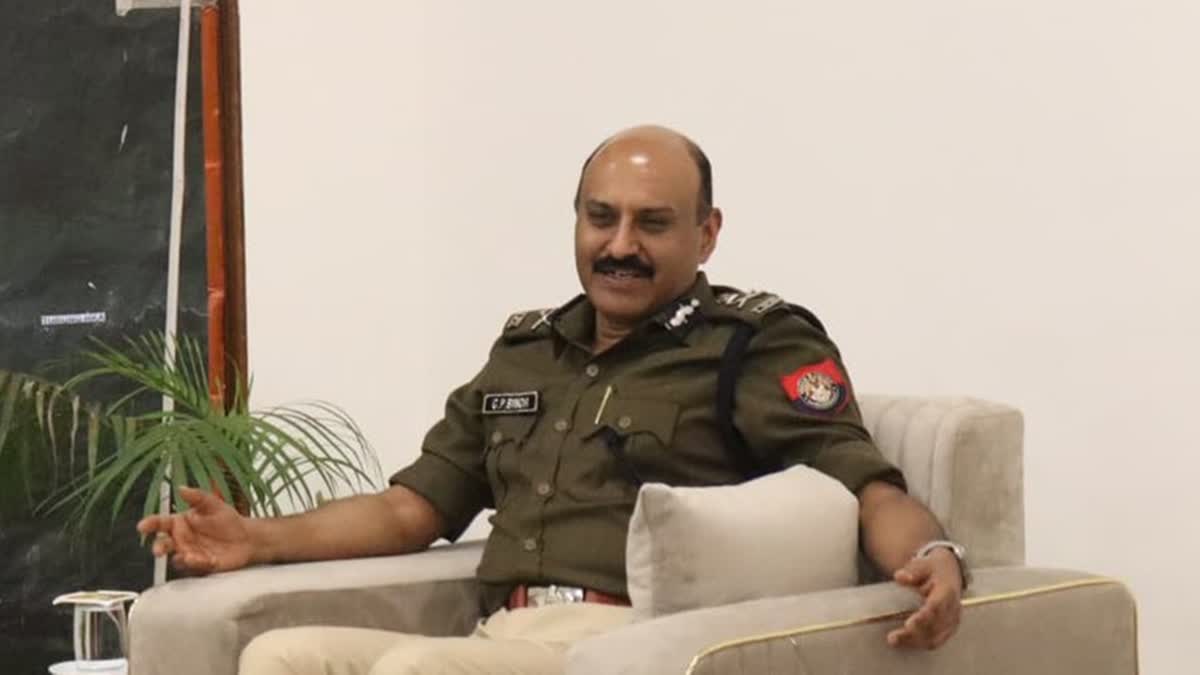
On January 18, 2025, the Indian government appointed Gyanendra Pratap Singh, a 1991-batch Indian Police Service (IPS) officer from the Assam-Meghalaya cadre, as the Director General (DG) of the Central Reserve Police Force (CRPF). Singh, who was serving as the Director General of Police (DGP) of Assam, will assume his new role immediately, with his tenure extending until his superannuation on November 30, 2027, or until further orders.
Professional Background
Singh has a distinguished career in law enforcement, having served in various capacities:
Special Protection Group (SPG): He has experience with the SPG, which is responsible for providing proximate security to the Prime Minister of India.
National Investigation Agency (NIA): From 2013, Singh was on central deputation to the NIA, serving as Inspector General. His tenure there was extended beyond its initial term, reflecting his expertise in national security matters.
Assam Police: In December 2019, Singh was recalled to Assam as Additional Director General of Police (Law and Order) to manage protests against the Citizenship Amendment Act. He later served as Special DGP (Law and Order) and Director of Vigilance and Anti-Corruption in Assam.
Role of CRPF
The CRPF is India’s largest paramilitary force, with nearly 300,000 personnel. It plays a crucial role in:
- Counter-Terrorism Operations: Engaging in anti-terror operations in Jammu and Kashmir.
- Counter-Insurgency Operations: Conducting operations in the northeastern states.
- Anti-Maoist Operations: Addressing left-wing extremism in various states.
Future Challenges
Under Singh’s leadership, the CRPF is expected to play a significant role in the government’s efforts to eliminate left-wing extremism in Chhattisgarh by March 2026. The state currently has over 40,000 CRPF personnel deployed.
Summary of the news
| Key Point | Details |
|---|---|
| Why in News | Gyanendra Pratap Singh, a 1991-batch IPS officer (Assam-Meghalaya cadre), appointed as DG of CRPF, succeeding Kuldiep Singh. His tenure will last until November 30, 2027. He previously served as DGP of Assam. |
| CRPF Overview | CRPF is India’s largest paramilitary force with nearly 300,000 personnel. Its operations include counter-terrorism, counter-insurgency, and anti-Maoist initiatives. |
| Tenure Details | Singh will hold the position until November 30, 2027, or further orders. |
| Previous Roles | – Served in National Investigation Agency (NIA) as IG. – Worked in Special Protection Group (SPG). – Held the post of DGP of Assam. |
| CRPF Headquarters | New Delhi, India |
| Established | CRPF was established on July 27, 1939, and reorganized as CRPF in 1949. |
| Assam – Static GK | CM: Himanta Biswa Sarma Governor: Lakshman Acharya Capital: Dispur |







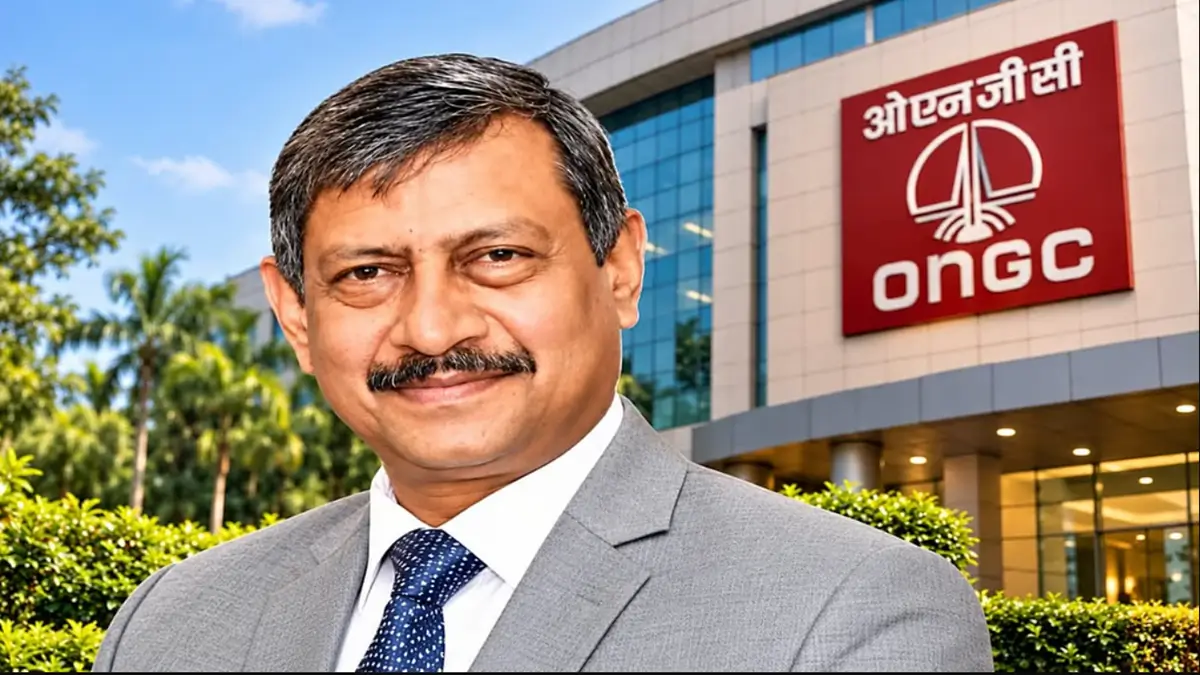 Sunil Kumar Appointed Next ONGC Chairman...
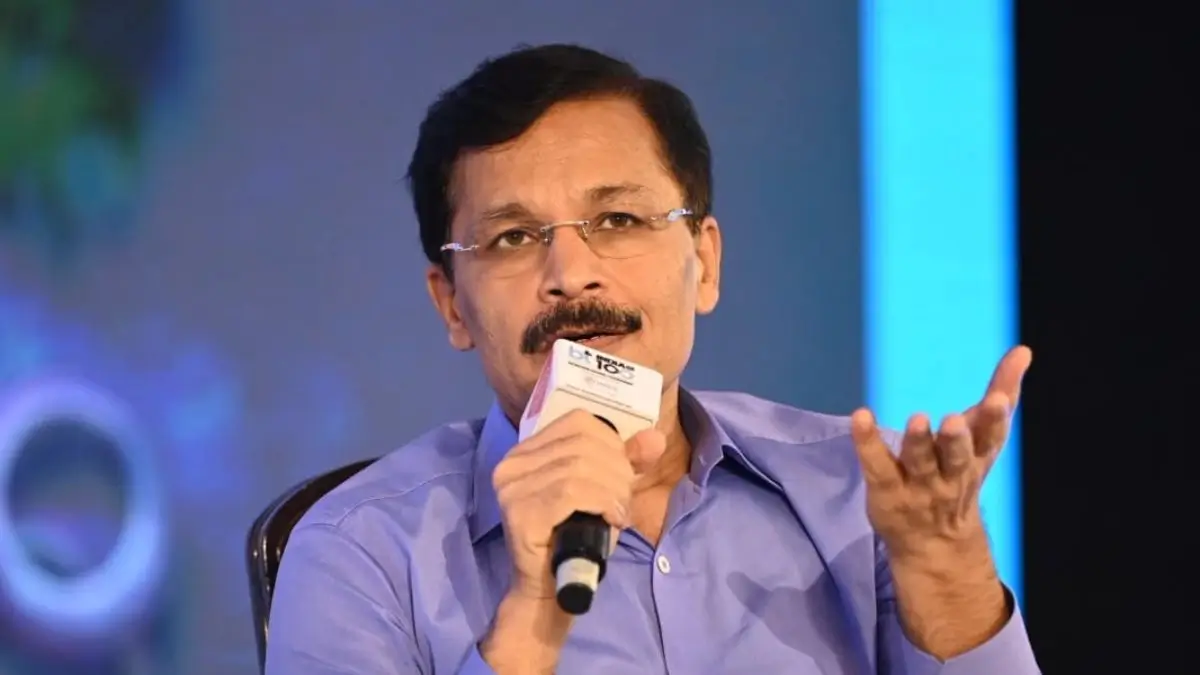 Tukaram Mundhe Appointed Secretary of Co...
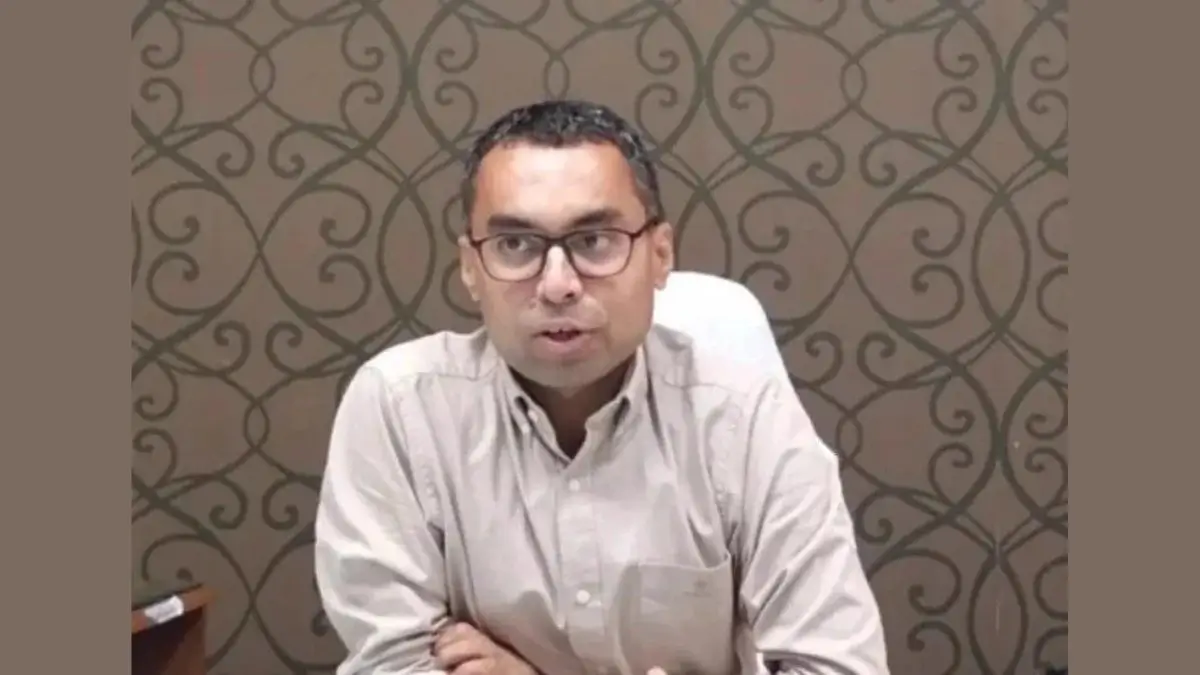 Prakash Rajpurohit Appointed Deputy Elec...