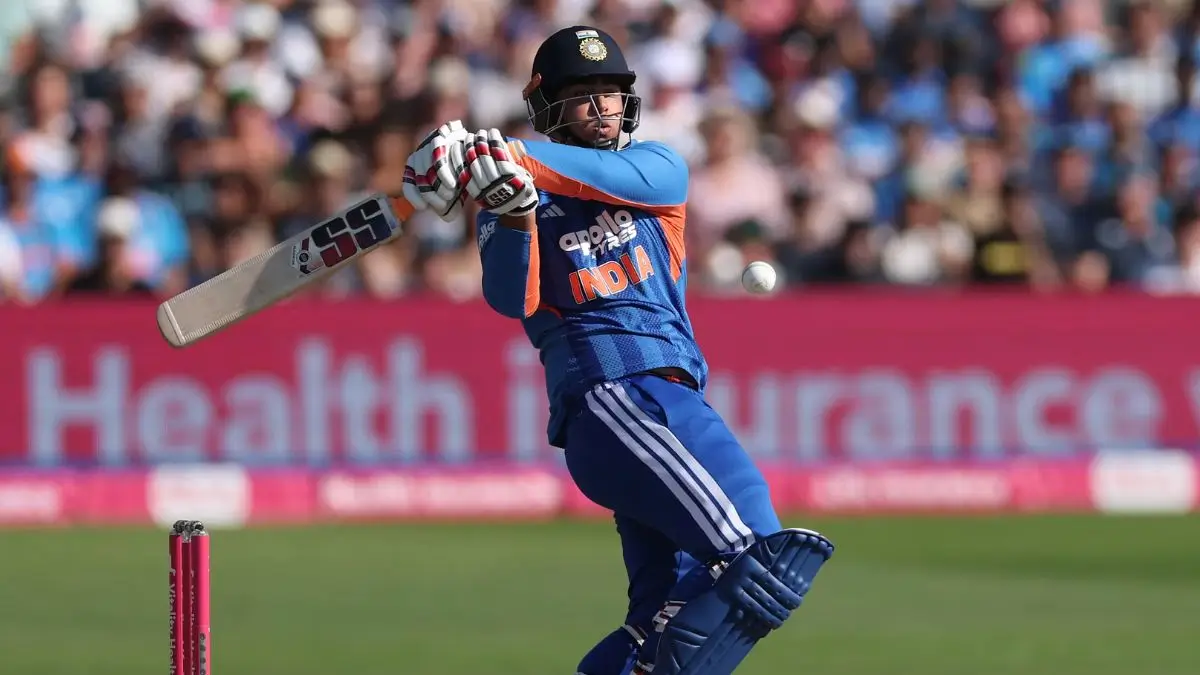
Vaibhav Sooryavanshi has become the youngest batter to make a fifty in T20 International cricket. During the first T20I match against Zimbabwe in Harare on 23rd July 2026, the 15-year-old batter accomplished his milestone in 19 balls. His incredible performance shows that he can perform at the International level against some of the best teams in the world.
Vaibhav Sooryavanshi Makes T20I Record
Vaibhav Sooryavanshi broke the record while being just 15 years and 118 days old.
The left-handed batsman was playing his fourth match with senior India, but he showed no fear while facing Zimbabwe’s bowling.
His innings consisted of four fours and four sixes, coming at a very good strike rate of 263-plus.
Although he was out shortly after reaching the half-century mark, he remains in the record books.
Record Is Broken After Nearly Five Years
The record was previously held by Louis Bruce of Gibraltar, who, at the age of 16 years and 56 days, scored 60 runs against Malta in August 2021.
Sooryavanshi has broken this record over 300 days sooner, creating a new world record for teenage achievement in T20 Internationals.
Youngest Athletes to Achieve a T20I Fifty
Name of the Athlete
Home Nation
Age
Vaibhav Sooryavanshi
India
15 years, 118 days
Louis Bruce
Gibraltar
16 years, 56 days
Kavin Chaddha
Indonesia
16 years, 76 days
Alusine Turay
Sierra Leone
16 years, 89 days
Tenjin Rabgey
Bhutan
16 years, 118 days
Various Records for the Young Indian Player
During Sooryavanshi’s inning, he accomplished several amazing milestones in his career.
Youngest player to score a fifty in T20I.
Youngest player in cricket from Full Member countries of ICC to get a fifty in T20I format.
The youngest player to achieve a fifty in international cricket.
The youngest Indian to score fifty in international cricket surpassing the record of Sachin Tendulkar.
He is also the youngest Indian to score a fifty in T20Is surpassing the record of Rohit Sharma.
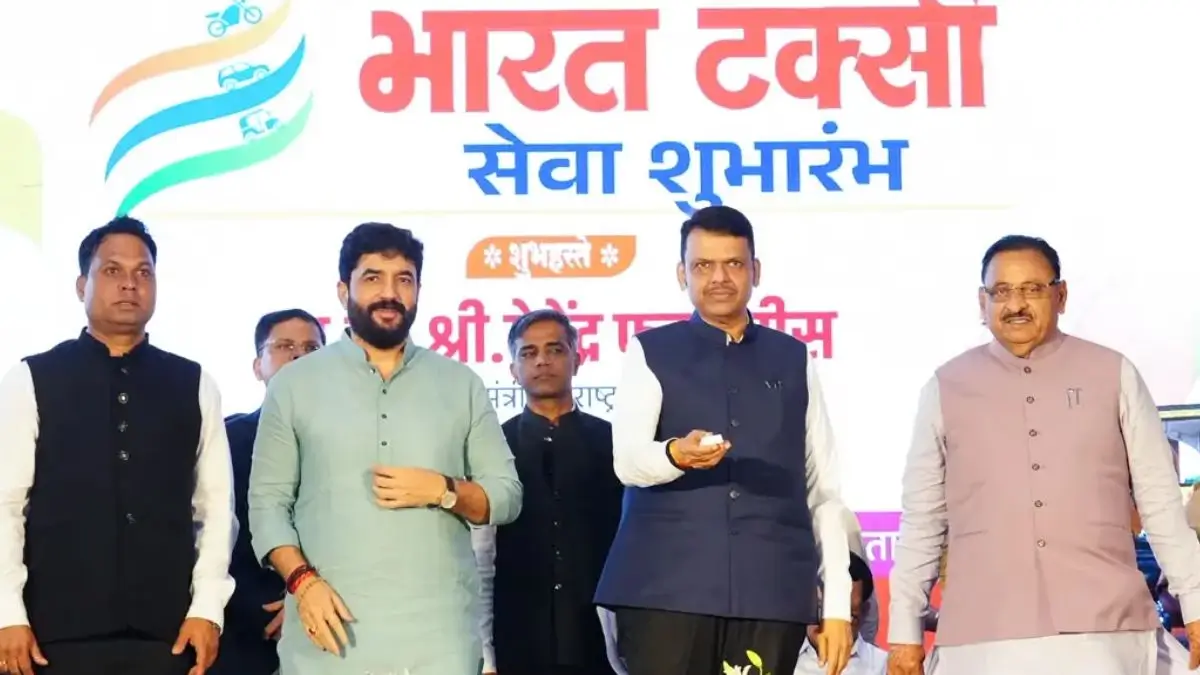
Maharashtra has launched the Bharat Taxi, a cooperative taxi service which caters to both passengers and drivers. This project was inaugurated at the Navi Mumbai International Airport on July 23rd, 2026, by Honorable Chief Minister of Maharashtra Devendra Fadnavis, alongside with the Murlidhar Mohol, Union Minister of State for Cooperation. Bharat Taxi derives its essence from the vision laid by Prime Minister Narendra Modi of “Sahakar Se Samriddhi” (Prosperity through Cooperation), which aims to offer reliable, transparent, and affordable transport service and generate employment in Maharashtra.
What Does Bharat Taxi?
Bharat Taxi is a new concept in the mobility area. It is not a just aggregator which provides a driver-centric operation model.
Unlike other taxi app providers, Bharat Taxi considers drivers called Sarathis as owners and members of the cooperative.
In this way, the benefits of the platform goes directly to the drivers enabling them to earn a regular income and become part of the growth of the cooperative.
Key Features of Bharat Taxi Launch
Bharat Taxi is yet another important event in the cooperative movement in India.
Key features will include,
Launched in Maharashtra after successfully working in Delhi and Gujarat.
Launched in Navi Mumbai International Airport.
Based on the cooperative principle of “Sahakar Se Samriddhi.”
The drivers become owners and members of the cooperative.
No surge pricing for customers for rides
No hidden fees
Fixed service charge model
Transparent pricing mechanism
Enhanced focus on safety and service quality.
Planned gradual market entry in Maharashtra.
Bharat Taxi vs Other Ride-Hailing Services
Bharat Taxi is different from other ride-hailing services is its ownership model that is based on cooperation which greatly benefits drivers.
Ordinary app-based taxi aggregators generally charge a commission from drivers and passengers are forced to pay a higher price in peak hours.
Bharat Taxi aims to address these problems with,
Driver ownership
In contrast to independent contractors, drivers have become part of the cooperative.
Transparent pricing
Passengers pay a fixed and transparent fare without any hidden charges.
No surge pricing
Unlike other taxi services, Bharat Taxi doesn’t have and doesn’t charge passengers a surge price rate.
Profit sharing
As part-owners of the cooperative, drivers benefit from profit sharing and earn money long-term.
Why Maharashtra Is Perfect Place for Bharat Taxi
Maharashtra has an excellent record in cooperative movements in India.
With over 2.5 lakh cooperative societies, launching a cooperative transportation scheme becomes a logical choice.
As announced by the government, Bharat Taxi will tap into this vast cooperative network to expand its activities in various cities and towns of Maharashtra.
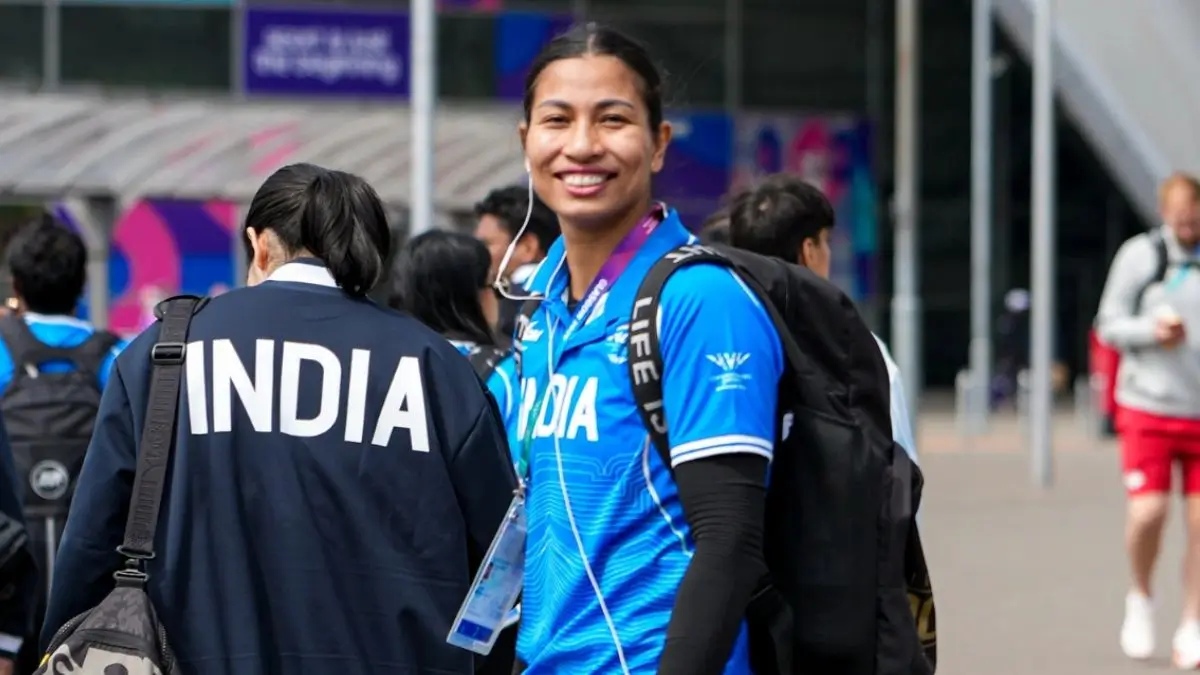
India got its first medal at the Commonwealth Games 2026 before the commencement of the opening ceremony. Kudos to great boxer Lovlina Borgohain who made this possible. The bronze medal winner at the Tokyo Olympics received a direct entry to the last four women’s event in the above-mentioned weight category in the city of Glasgow, Scotland. The absence of seven players in the category gave a bye to Lovlina in the competition, making India’s first medal confirmed, showcasing the good start the country would be hoping for in the tournament.
How Lovlina Borgohain Achieved India’s First Medal
As soon as Lovlina Borgohain qualified for her first medal, it became a matter of confirming success due to the nature of the competition in which she took part in the women’s 75kg boxing event.
This is because the competition comprises only five pugilists, which assures that Lovlina qualified for the semifinals by virtue of the structure of the event. In line with the Commonwealth Games policies adopting the standard procedure used by international boxing organizations, all semifinalists receiving a medal is guaranteed regardless of the outcome of the match in respect of which they only need to compete only once, in the semifinals.
As such, the first medal in the history of Indian boxing is secured by Lovlina without her participating in the quarterfinals.
Prospect of Lovlina in Semifinals
Now Lovlina could only wait for the date of her bout in the semifinals against Tarona (T.K.B.P.) Taafaki in Scotland.
Following are the details of the bout.
Event: Women’s 75kg boxing
Opponent: Tarona (T.K.B.P.) Taafaki
Location: Scottish Event Campus,
Timezone: Semifinals
If she wins the bout, the boxer will move to the finals and at least upgrade the standing for the medal.
A First Medal for Lovlina at the Commonwealth Games
Even though he is one of India’s best boxers, this will be Lovlina Borgohain’s first medal at the Commonwealth Games.
In her earlier endeavors at the Games, she ended in the quarterfinals,
Gold Coast 2018: Quarterfinalist.
Birmingham 2022: Quarterfinalist in light middleweight.
Now that she has moved to 75 kg, Lovlina is finally assured of a Commonwealth Games medal.
Excellent Performance in 2026
Lovlina has entered the Commonwealth Games in fantastic form after a good streak in 2026.
Major Achievements Accomplished This Year
Won Gold at the National Boxing Championships.
Won Gold at the Boxam Elite International Tournament in Spain.
Concluded in the Gold category at the Grand Prix of Usti nad Labem in Czech Republic.
Reached Glasgow as one of the best chances for the medal for India.
Her consistent performances make her one of the top contenders in the women’s 75 kg category.
India’s Boxing Team at Commonwealth Games 2026
India has sent a total of fourteen boxers to compete in the boxing events.
Women Boxers
Sakshi Chaudhary (51 kg)
Preeti Pawar (54 kg)
Jaismine Lamboria (57 kg)
Priya Ghanghas (60 kg)
Parveen Hooda (65 kg)
Arundhati Choudhary (70 kg)
Lovlina Borgohain (75 kg)
Male Boxers
Jedumani Singh (55 kg)
Sachin Siwach (60 kg)
Aditya Pratap Singh (65 kg)
Sumit Kundu (70 kg)
Ankush (80 kg)
Kapil Pokhariya (90 kg)
Narender Berwal (+90 kg)
The Indian boxing team is expected to be among the top contenders for medals at the Commonwealth Games.
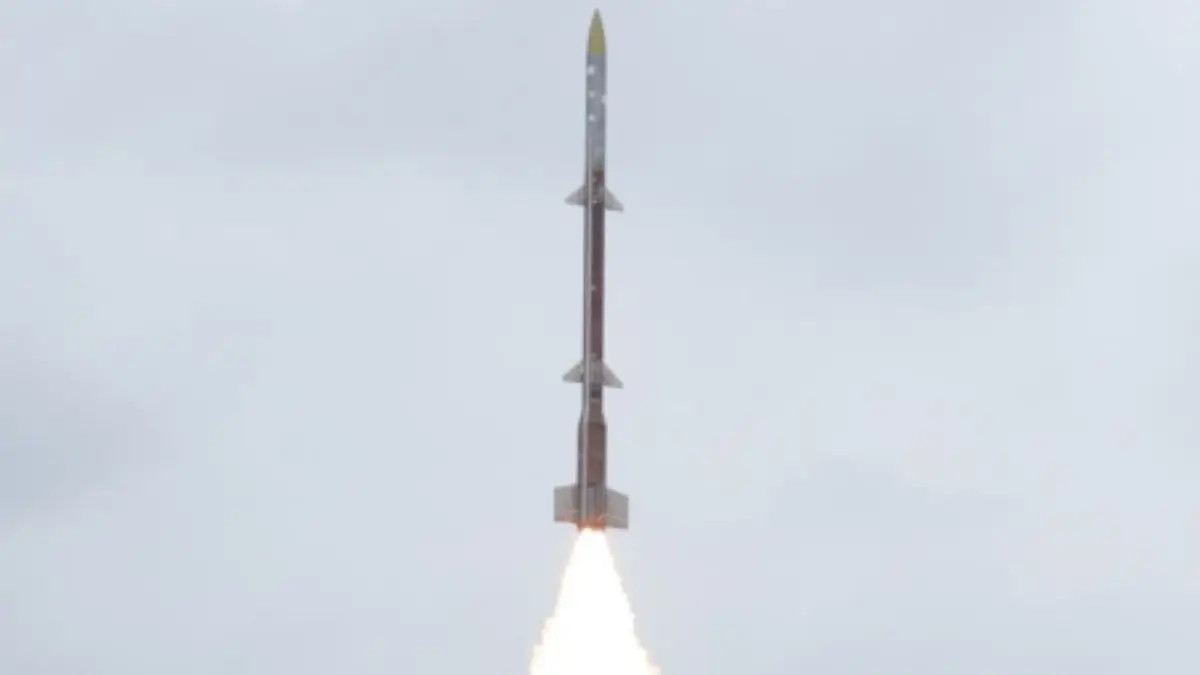
DRDO has successfully conducted the maiden flight test of the Kusha Long-Range Surface-to-Air Missile (LR-SAM). This test was conducted by the Defence Research and Development Organisation (DRDO), it was conducted on 23rd July 2026, from Dr. APJ Abdul Kalam Island, from the coast of Odisha. During the flight test, the missile intercepted a high-speed electronic target, demonstrating India’s air defence capabilities.
DRDO Conducts Successful Kusha Missile Test
The first flight test aimed to assess the ability of Kusha missile to successfully track, engage and destroy sophisticated aerial threats in the real battlefield scenario.
The test comprised of the following activities,
The missile tracked and intercepted an electronic target representing a high-speed aerial threat.
The interception was successful.
The missile, radar, control systems and guidance mechanisms passed the mission objectives.
Successful test now guide the operational evaluation phase of Kusha missile programme.
Defining The Kusha Long-Range Surface-to-Air Missile
The Kusha missile system is a made-in-India, long-range anti-aircraft missile developed by DRDO for safeguarding critical assets against numerous aerial attacks.
It has the capacity to counter the following threats such as,
Airplanes
Missiles
UAVs
Large air transport
Other fast-moving aerial enemies
The missile system can accommodate any type of enemy in different distances and wing levels, generating the much-needed multi-dimensional accomplishment for the Indian military.
Indigenous Technology that Powers the System
The most significant aspect of the Kusha programme is that it has been fully developed indigenously.
All significant parts have been manufactured in India, including,
Long-range interceptor missiles
Advanced surveillance and fire-control radars
Command and Control Centre
Integrated communication and guidance systems
Multiple laboratories of DRDO cooperated with local industries in developing the entire weaponry system, enhancing India’s local defense industry.
Leadership and Outlook
The flight test was observed by Rajesh Kumar Singh, the Secretary of Defence and Chairman of DRDO, who congratulated the scientists, engineers, and industrial partners who worked on the program.
After the successful first test, more tests are expected before the Kusha missile system will enter the Indian Armed Forces.
This program is an important part of the integrated air defence capability of India in future.
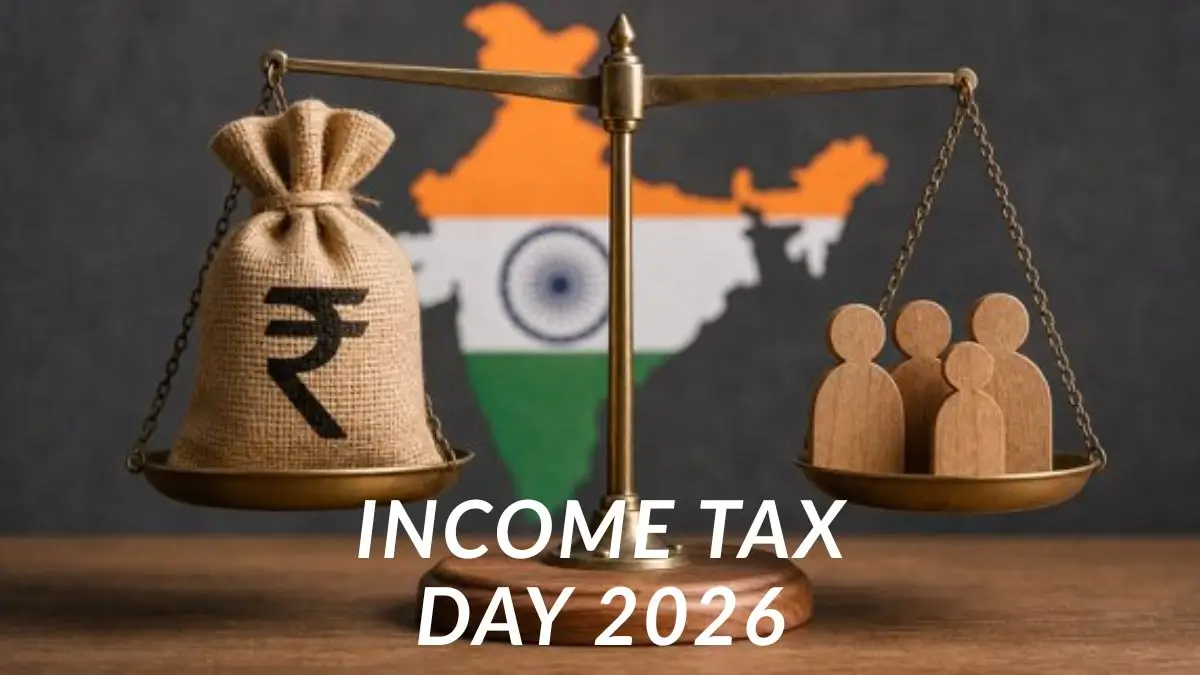
Tax Day in 2026 observed on 24 July of that year marking a duration of 167 years since the inception of Income Tax in India. It highlights the importance of taxpayers in nation building and also marks a historical significance in the financial and administration of the country as well.
From the installation of a paper based taxation system during the British period to the establishment of the digital taxation era, India has seen it all, where there is online filing of Income Tax Returns (ITR) , faceless assessment, pre-filled returns and a speedy refund system. Income Tax Day also reflects the intent of the government to make tax compliance easier and also to encourage taxpayers in paying their income taxes.
When is Income Tax Day 2026?
Income Tax Day 2026 to be observed on 24th of July 2026, Friday.
Income Tax Day marks the day when the income tax was introduced in India by Sir James Wilson, who was the first Finance Member of British India, on 24th of July 1860. The observance of this day was initiated by the Central Board of Direct Taxes (CBDT) in 2010.
What is Income Tax Day?
Income Tax Day is a yearly event that is celebrated to highlight the progress made by the direct tax administration in the country of India and the importance of taxpayers in the growth of the Indian economy.
The occasion provides an opportunity to do the following,
Recognise the contributions of honest taxpayers.
Appreciate the efforts of the Income Tax Department.
Encourage compliance with tax regulations.
Create awareness regarding taxpayer’s rights and responsibilities.
Focus on the changes that have been brought in and made the process of direct taxes simpler and more transparent.
Why is the Day of Income Tax celebrated?
Income Tax Day is commemorated to show appreciation for the significance of taxation in nation-building and to promote increased involvement of citizens in the taxation process.
Taxes collected by the government help in financing many crucial sectors like
The day also serves to highlight the government’s plans for modernization of tax administration by means of digital initiatives and taxpayer-friendly measures.
The History of Income Tax in India
The Indian income tax system has significantly evolved over the last 167 years.
1860: Introduction of Income Tax
Income tax was first imposed on 24th July, 1860 by Sir James Wilson to assist the British Government in addressing financial problems after the Revolt of 1857.
1922: Income Tax Act
The Income Tax Act, 1922 provided a systematic framework of tax administration and resulted in the establishment of organized mechanisms to collect tax.
1961: The Modern Income-tax Act
The Income Tax Act, 1961 is enacted on 1st April, 1962. The Act continues to act as the primary law for direct taxation in the country, which has been amended from time to time.
2010: Celebration of Income Tax Day
The CBDT launched observance of Income Tax Day in order to mark the 150th year of income tax administration in the country.
The Role of Digital Technology
Over the last ten years, India has implemented many technology driven measures such as faceless assessment, online filing of taxes, use of digital verification, simplified compliance, etc.
The government has also introduced the new Income Tax Bill to simplify and update the country’s direct tax laws.
Change of India’s Tax System
India’s tax administration has drastically altered over the years from a paper-based, laborious process to a wholesome digital system.
Presently, the following can be done by taxpayers,
Registering to file income-tax returns electronically
Completing e-verification online
Tracking refunds in real time
Retrieving information from records digitally
Getting notices via e-mail
Using tax forms that are pre-filled
Performing the majority of compliance activities online via e-filing.
The use of technology in tax administration has made the process smoother, more efficient, and more user-friendly.
The new bill for income tax is aimed at simply putting in place a simpler language and format of tax laws without disturbing the existing framework of the direct taxes in India.
Important Facts of Income Tax Day 2026
Day: Income Tax Day 2026
Observance of Date: 24 July 2026
Total Years Achieved: 167
Introduced By: Sir James Wilson
First Introduced On: 24 July 1860
Official Celebrations Initiated: 2010
Regulating Under Statute: Income-tax Act of 1961
Functional Agency: Central Board of Direct Taxes (CBDT)
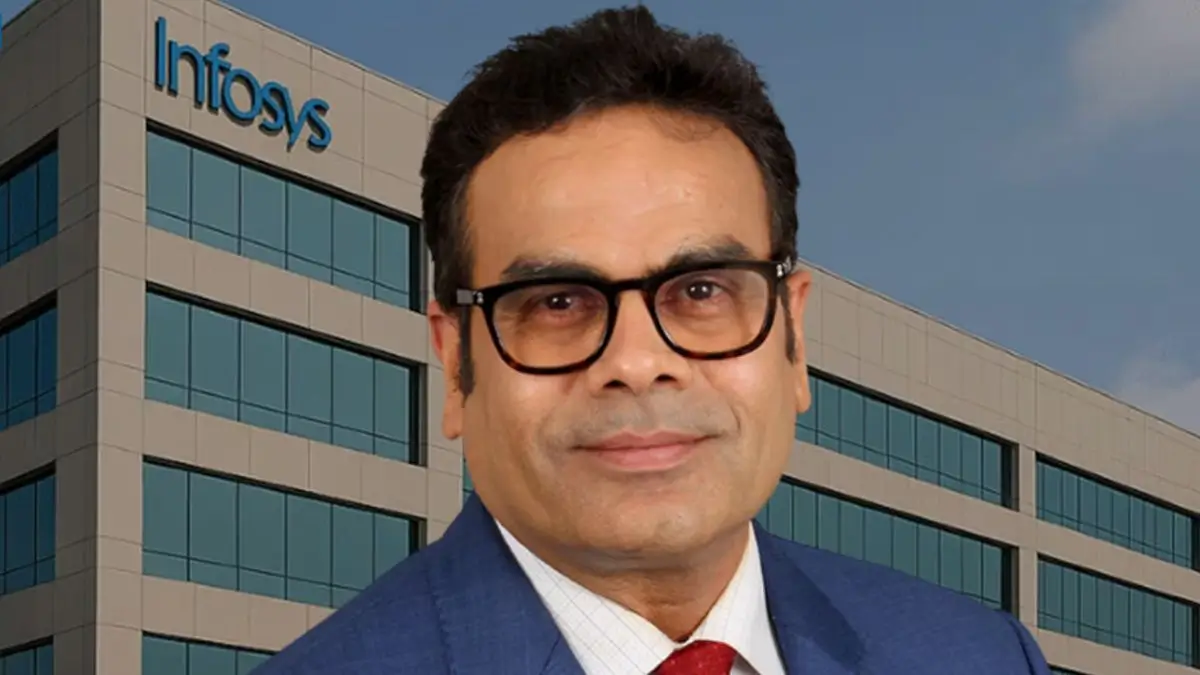
Ashiss Dash announced as the new CEO and Managing Director (MD) of Infosys. Dash will be officially starting his tenure as the Chief Executive Officer (CEO) and Managing Director (MD) on the 1st of April, 2027, as soon as the current CEO, Salil Parekh, finishes his second term on the 31st of March, 2027. The appointment is significant because it happens during a period of rapid change in the global IT landscape marked by artificial Intelligence (AI), automation of processes, and the requirement for the IT service providers to adapt to changes in the expectations of their clients.
Infosys Appoints Ashiss Dash as CEO
Infosys has declared Ashiss Dash as CEO, effective immediately. The decision was made by the Board upon the advice of the Nomination and Remuneration Committee.
From April 1, 2027, Dash will start his term in the capacity of CEO and Managing Director for five years.
This appointment is particularly important since he will be the first internally sourced CEO in the company’s history. The previous CEOs, Salil Parekh and Vishal Sikka were hired from other companies.
Who Is Ashiss Dash?
Ashiss Dash has been in charge of an important position at Infosys for the last three decades.
Career Highlights
Joined Infosys back in 1995 as a Senior Engagement Engineer.
Graduated from IIT Kharagpur in 1994.
He has been tasked with executing diverse business portfolio on a worldwide level today.
In the past, he has managed the business segment that is in-charge of Energy, Utilities, and Resources (EURS).
He spent almost ten years in Los Angeles before shifting back to Bengaluru.
In his career, he has held crucial leadership posts in the different markets all around the globe and has also been closely engaged in business growth and digital transformation activities.
Salil Parekh’s 9-year era in Infosys
Salil took over as Infosys CEO in the year 2018 after Vishal Sikka quit in uncertain times.
His leadership has resulted in major achievements for Infosys.
Main Achievements,
Revenue went from ₹70,522 crores (FY18) to ₹1,78,650 crores (FY26).
The net profit increased from ₹16,029 crores to ₹29,440 crores.
The market value of the company has more than doubled from ₹2.47 lakh crores to ₹5.07 lakh crores.
Created operational, financial discipline.
Created better corporate governance and responsibility.
Increased digital technology and cloud services offering from Infosys.
The Commonwealth Games 2026 are scheduled to kick off with the grand opening ceremony in the Glasgow, Scotland, marked the commencement of be one of the largest multi-sport events in the history. The ceremony promises to be a fantastic celebration of the Scottish culture, music, and sport as countries across the Commonwealth prepare to participate.
For India, it will be a important occasion as Olympic medalists Mirabai Chanu and Lovlina Borgohain will lead the Indian contingent as flag bearers. Here’s all you need to know about the Commonwealth Games 2026 Opening ceremony.
Commonwealth Games 2026 Opening Ceremony Timing
The Commonwealth Games 2026 Opening Ceremony is set to take place on Thursday, July 23rd, 2026, in the Glasgow, Scotland.
As per the Indian Standard Time, event set to took place at,
Date: July 24, 2026
Time: 12:30 AM IST
This function serves as the official commencement of the 2026 Commonwealth Games.
Opening Ceremony Location
The Opening Ceremony will be held at the prominent venue, OVO Hydro in Glasgow, Scotland.
OVO Hydro is one of the finest sports and entertainment venue in Europe and it has previously hosted multiple events during the Commonwealth Games 2014.
India’s Representatives at the 2026 Commonwealth Games
At the upcoming Commonwealth Games, two of India’s most accomplished Olympians will represent the nation during the Parade of Nations.
Mirabai Chanu
The Olympic silver medal winner in weightlifting has proven herself to be one of the most successful weightlifters in the country.
Lovlina Borgohain
Olympic bronze medal winner in boxing Lovlina Borgohain will be joining Mirabi Chanu as co-flag bearer and will create promise of medals for the nation during the games.
Both athletes will be the baton bearer during the ceremony.
Celebration of Scottish Culture
The organizers are planning the ceremony to highlight the beauty of Scotland’s cultural heritage with the help of music and performances.
The opening ceremony will include performances from famous Scottish singers and musicians.
Getting ready for this event will be a mixture of traditional Scottish culture and modern style that would provide a colorful welcome to athletes and spectators.
Attendance at the Ceremony by Royalty
At the opening ceremony, H.M. King Charles III and H.M. Queen Camilla.
According to the protocol established by the Commonwealth Games, King Charles III is expected to declare the Commonwealth Games 2026 open.
Among the most notable moments of the ceremony will be the arrival of the Queen’s Baton and the taking of the athletes’ oath.
Places for Commonwealth Games 2026
The events of the Commonwealth Games 2026 will take place at four main venues in Glasgow, including:
Glasgow International Arena Scottish Event Campus (SEC) Scotstoun Stadium Tollcross International Swimming Centre
All events with medal awards will take place in these venues only during the short version of this competition.
2026 Commonwealth Games: An Overview of This Event
The sporting programme of the Commonwealth Games 2026 is quite compact compared to the previous events since the game hosting rights moved from Victoria of Australia to Glasgow.
Some of the popular sports which usually bring medals to the Indian players but are excluded in this edition are,
Badminton
Shooting
Wrestling
However, despite the reduced game event schedule, the organizers are hopeful that the games will lead to events that promise competition and festival-like atmosphere such as that of Glasgow 2014 Commonwealth Games.
The Mascot of Commonwealth Games 2026 in Glasgow
The Commonwealth Games family has welcomed the Finnie, who will serve as the mascot of the upcoming Commonwealth Games in Glasgow in 2026.
Finnie is named after the world-famous Finnieston Crane, one of the most recognizable structures in Glasgow. Finnie is a mystical unicorn inspired by Scotland’s national animal.
Unlike many mascots before it that were based purely on wildlife, Finnie marries Scottish folklore, heritage, well-known landmarks with contemporary creativity. The mascot captures the essence of Glasgow while welcoming participants and tourists from all the Commonwealth countries.
As the preparations for Glasgow 2026 are in full swing, Finnie is expected to meet the international audience in community initiatives, education campaigns, and fan engagement events.
How To Watch The Commonwealth Games 2026 Opening Ceremony Live In India?
Indian audience can catch the opening ceremony by watching it on TV or in the digital format.
TV Broadcast
The opening ceremony of the games will be shown live on Sony Sports Network.
Online Viewing
The opening ceremony can be viewed live on the Sony LIV app and website.
India Launches Campus Biodiversity Register Initiative For Universities Nationwide
India has launched the Campus Biodiversity Register (CBR) Initiative to help colleges and universities document the diversity of plants, animals, birds, insects, and other living organisms found on their campuses. Jointly implemented by the Nature Conservation Foundation (NCF) and the National Biodiversity Authority (NBA), the year-long programme promotes biodiversity conservation, scientific research, and environmental awareness. Institutions will record species using citizen science platforms such as iNaturalist, eBird, and SeasonWatch, contributing valuable ecological data. Inspired by the People’s Biodiversity Register, the initiative aims to strengthen conservation efforts, support policymaking, and encourage student participation. Registrations are open until November 2026, while biodiversity documentation will continue until June 2027, helping educational institutions build comprehensive records of their campus ecosystems.
Tamil Nadu’s Killai Becomes First Climate-Resilient Village
Tamil Nadu’s Killai village in Cuddalore district has become the state’s first Climate-Resilient Village, adopting a community-driven approach to tackle climate risks. Located near the ecologically important Pichavaram Mangrove Forest, the village faces challenges including cyclones, floods, coastal erosion, rising sea levels, and saltwater intrusion. The initiative combines scientific planning, ecosystem conservation, resilient infrastructure, disaster preparedness, and sustainable livelihoods to strengthen local adaptation. Key measures include nature-based solutions, water management, climate-smart development, and community participation. The model aims to reduce vulnerability among fishermen, farmers, and residents while protecting natural ecosystems. Killai’s success demonstrates how local communities and environmental conservation can work together to build long-term resilience against climate change impacts and serve as a model for other coastal regions.
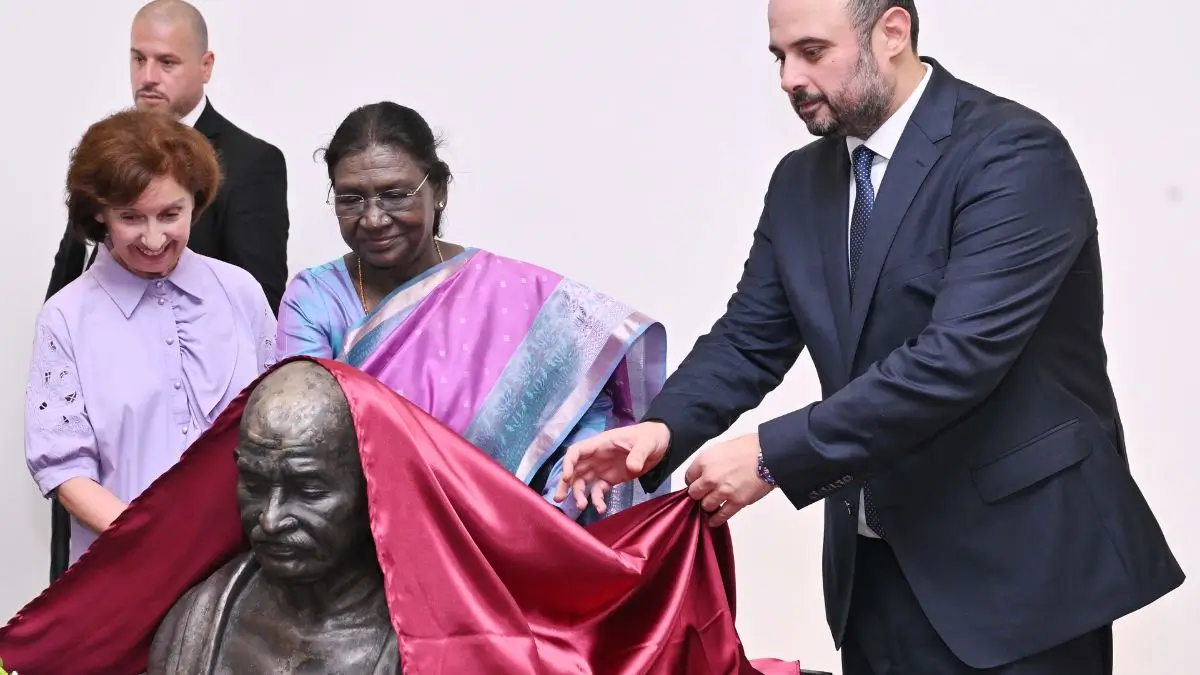
President Murmu Unveils Gandhi Bust In North Macedonia Capital
President Droupadi Murmu unveiled a bust of Mahatma Gandhi at the Museum of the City of Skopje in North Macedonia on 22 July 2026, highlighting India’s commitment to the values of peace, non-violence, and humanity. The ceremony was attended by North Macedonia President Gordana Siljanovska-Davkova and dignitaries from both nations, reflecting strengthening bilateral ties. During the event, President Murmu described Gandhi’s principles of truth (Satya) and non-violence (Ahimsa) as universal ideals that promote justice, dignity, freedom, dialogue, and peaceful coexistence. She noted that Gandhi’s message remains relevant amid global challenges involving conflict and intolerance. The bust will serve as a symbol of India-North Macedonia friendship, cultural diplomacy, and shared commitment to tolerance and mutual respect.
India’s Wind Power Capacity Reaches 57,443 MW Milestone
India’s installed wind power capacity has reached 57,443 MW as of 30 June 2026, with 6,057 MW added during FY 2025–26, the highest annual increase in the last three financial years. According to the Ministry of New and Renewable Energy (MNRE), wind power generation also rose significantly to 106 billion units, up from 83 billion units in the previous two years. Gujarat remains the leading state with 16,086 MW of installed capacity, followed by Tamil Nadu and Karnataka. India also ranks fourth globally in cumulative wind energy installations, according to the Global Wind Energy Council (GWEC). Government initiatives, including transmission reforms, offshore wind policies, and investment incentives, are driving growth, strengthening energy security, and supporting India’s long-term renewable energy and climate goals.
India Becomes World’s Second Most Electrified Railway Network Nation
India has achieved 99.6% electrification of its broad gauge railway network, making Indian Railways the world’s second most electrified railway system after Switzerland. Since 2014, India has electrified over 48,000 route kilometres, more than doubling the progress made in the previous six decades. The initiative has significantly reduced diesel consumption from 293 crore litres in 2015–16 to 108 crore litres in 2024–25, lowering fuel imports and carbon emissions. Rail transport emits nearly 89% less CO₂ per tonne-kilometre than road transport, supporting India’s climate goals. Indian Railways has also installed over 1,260 MW of solar and wind energy capacity. Most railway zones and several states have achieved complete electrification, with remaining sections nearing completion.
State News
Chhattisgarh Grants Agniveers 10% Reservation In Class-III Government Jobs
The Chhattisgarh government has approved a 10% reservation for Agniveers in direct recruitment to selected Class-III government posts under the Chhattisgarh Reservation of Vacancies in Class-III Civil Services for Agniveer Soldiers Rules, 2026. The decision, taken during a Cabinet meeting chaired by Chief Minister Vishnu Deo Sai, aims to support former Agniveers in securing government employment after completing their four-year service under the Agnipath Scheme. The reservation covers posts such as Police Constables, Forest Guards, and Jail Warders. Eligible candidates must belong to Chhattisgarh and possess a valid discharge certificate issued under the Agnipath Scheme. The initiative provides a structured transition to civilian careers while recognising military service and strengthening the state’s public service workforce.
Andhra Pradesh Launches Blockchain-Based Mee Bhoomi Land Records Platform
The Andhra Pradesh government has launched the Mee Bhoomi–Blockchain Pilot Project to modernise land record management using blockchain technology. Developed by the National Informatics Centre (NIC) Andhra Pradesh and NIC Bengaluru’s Centre of Excellence in Blockchain Technology, the platform integrates revenue, survey, and registration records into a secure, tamper-proof system built on Hyperledger Fabric. The pilot covers seven mandals across seven districts, including 89 re-survey villages and over 1.37 lakh land parcel maps. It offers citizen-centric services such as auto-mutation after property registration, land subdivision, extent correction, and digital record verification. The blockchain-based platform improves transparency, prevents record tampering, reduces land disputes, enables secure data sharing, and supports faster services for government departments, banks, and financial institutions.
Jharkhand Partners With SRFTI To Launch Film Institute In Ranchi
Jharkhand has signed a Memorandum of Understanding (MoU) with the Satyajit Ray Film and Television Institute (SRFTI) to establish the state’s first Jharkhand Film and Television Institute (JFTI) in Ranchi. Developed by the Jharkhand Film Development Corporation Limited (JFDCL) in collaboration with SRFTI, the institute will offer industry-focused training in filmmaking, television production, and digital media. Initially operating from Suchna Bhawan, it will introduce certificate courses in cinematography, film direction, editing, sound design, animation, screenplay writing, and production, with plans to launch undergraduate programmes later. The initiative aims to develop skilled media professionals, promote regional storytelling, preserve Jharkhand’s cultural heritage, support the growing OTT and entertainment sectors, and strengthen the state’s creative economy through quality film education.
Rajasthan Launches Mukhyamantri Yuva Suyog Platform For Youth Empowerment
Rajasthan has launched the Mukhyamantri Yuva Suyog Platform to promote youth development through sports, skill building, employment opportunities, and community participation. Introduced from the Chief Minister’s official residence in Jaipur, the digital registration-based initiative connects young people with government programmes while encouraging leadership and civic engagement. The pilot phase has begun in Bagru Assembly constituency and Baran district, with participants registering through the Yuva Suyog Portal. The platform features competitions in cricket, volleyball, kabaddi, and football, with winning teams progressing to higher-level contests. It also includes digital mapping of sports infrastructure to support future development. Registered participants become members of District-level Yuva Suyog Clubs, while integration with the MY Bharat programme promotes volunteerism, community service, and nationwide youth engagement.
Punjab Introduces AI Education Across Classes 1 To 12
Punjab has become the first Indian state to introduce Artificial Intelligence (AI) as a mainstream subject from Class 1 to Class 12 under the Sarbat.AI initiative of the Punjab School Education Board (PSEB). The programme aims to build AI literacy, ethical awareness, and practical technology skills among students through a phased rollout. Initially, AI will be integrated into the Computer Science curriculum for Classes VIII to XII using live classes, recorded lectures, projects, assessments, and a Learning Management System, before expanding to lower classes. More than 12,000 Computer Science teachers will receive specialised training, supported by Neeev AI and technology partners such as Google, Intel, Canva, and FA-AI. The initiative prepares students for future careers while promoting responsible and ethical use of AI.
International News
India Hosts BRICS University Meet To Boost Education Cooperation
India hosted the International Governing Board Meeting of the BRICS Network University (BRICS NU) and the BRICS Network University Conference on Traditional and Indigenous Knowledge Systems under its BRICS Presidency 2026. Organised by the Ministry of Education, the event brought together policymakers, university leaders, researchers, and academics from BRICS nations to strengthen cooperation in higher education, research, innovation, and institutional partnerships. Discussions covered joint academic programmes, faculty and student exchanges, and collaborative research initiatives. A key highlight was the first BRICS NU conference on traditional and indigenous knowledge systems, focusing on preservation, ethical governance, responsible AI use, and community ownership. India also proposed creating a new International Thematic Group on Traditional and Indigenous Knowledge Systems, receiving broad support from participating member countries.
Oxford Study Lists Indian Cities Facing Extreme Heat Risks
A new University of Oxford study has identified the world’s cities most vulnerable to extreme heat, with three Indian cities—Delhi, Mumbai, and Chennai—ranking among the global top 10. Published in Sustainable Cities and Society, the research assessed 205 major cities using a heat-risk framework that considered peak temperature exposure, population vulnerability, and adaptive capacity. Delhi ranked second due to high population density, frequent heatwaves, and the urban heat island effect. Mumbai ranked sixth, facing risks from rising temperatures, humidity, and dense development, while Chennai ranked ninth due to prolonged heat and rapid urbanisation. The study highlights the need for stronger heat-action plans, green spaces, climate-resilient infrastructure, improved healthcare systems, and better urban planning to protect vulnerable populations from increasing heat threats.
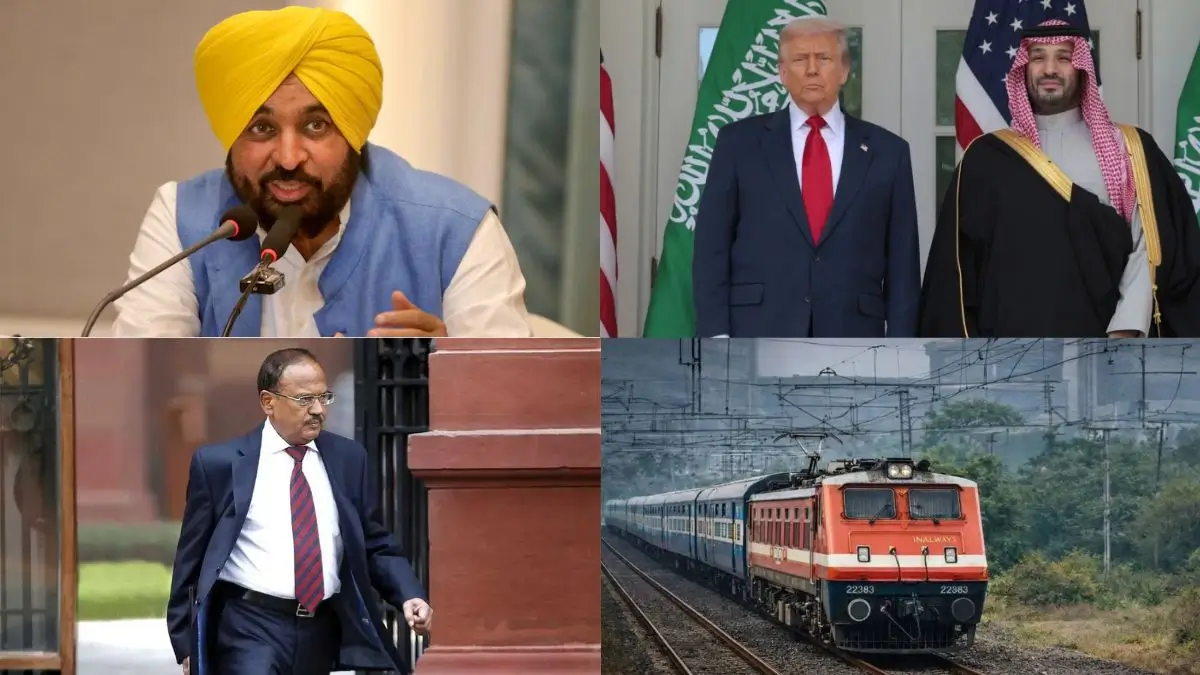
US Approves Historic 30-Year Civil Nuclear Deal With Saudi Arabia
The United States has approved a 30-year civilian nuclear cooperation agreement with Saudi Arabia under Section 123 of the US Atomic Energy Act of 1954, creating a long-term framework for peaceful nuclear collaboration. The deal enables cooperation in reactor development, nuclear fuel supply, technology transfer, infrastructure, and technical expertise, while supporting Saudi Arabia’s energy diversification goals. US companies are expected to play a major role in the kingdom’s civilian nuclear programme, with the possibility of a future uranium enrichment facility subject to joint studies. The agreement has sparked debate because it excludes the “Gold Standard” restrictions on uranium enrichment and spent fuel reprocessing and does not require the IAEA Additional Protocol. Supporters view it as a strategic partnership, while critics cite potential nuclear proliferation risks.
Banking News
RBI Revives Polymer Banknotes Plan With Global Supply Initiative
The Reserve Bank of India (RBI) has revived its polymer banknotes initiative by inviting a global Expression of Interest (EoI) for security-grade polymer substrate sheets through Bharatiya Reserve Bank Note Mudran Private Limited (BRBNMPL). The move aims to introduce durable plastic ₹10 and ₹20 notes, which are subject to heavy circulation and frequent replacement. Polymer banknotes last longer, resist moisture, dirt, and tearing, and support advanced anti-counterfeit features such as transparent windows, holograms, and colour-shifting inks. Although they cost more initially, their extended lifespan reduces replacement and maintenance costs while offering environmental benefits through recyclability. India first proposed polymer notes in 2010, but the plan stalled due to high costs and import dependence. The 2026 initiative marks a renewed push toward modernising India’s currency system.
UPI Records Massive Transaction Growth In FY26 Digital Payments
India’s Unified Payments Interface (UPI) has recorded significant growth in FY 2025-26, processing 24,161.69 crore transactions worth ₹314.23 lakh crore, according to the Ministry of Finance. Operated by the National Payments Corporation of India (NPCI) under the Payment and Settlement Systems Act, 2007, UPI had 55.49 crore onboarded users by June 2026. The platform saw a sharp rise compared with FY 2024-25, when it handled 18,586.60 crore transactions valued at ₹260.56 lakh crore. To strengthen security, the government, RBI, and NPCI have introduced risk-based transaction limits, stronger authentication measures, and frameworks such as the Comprehensive UPI Information Security Framework (CUISF) 2025. UPI is also expanding globally, with merchant payment services available in countries including Bhutan, Singapore, and the UAE.
NRI Deposit Inflows Drop 29% As RBI Data Shows
NRI deposit inflows declined 29.25% to $1.33 billion during April–May FY27 compared with $1.88 billion in the same period last year, according to RBI data. The total outstanding NRI deposits stood at $165.96 billion in May 2026. Inflows into FCNR(B) deposits fell to $282 million, while NRE deposits declined to $597 million. However, NRO deposits recorded a slight rise, reaching $451 million during the period. The RBI attributed the decline to slower growth in NRE and FCNR(B) accounts during the initial months of FY27. Later policy measures, including a concessional swap facility for fresh FCNR(B) deposits announced in June 2026, boosted foreign currency inflows, with fresh FCNR(B) deposits reaching $17.4 billion between June 8 and July 17.
Appointments News
Rahul Himalian Takes Additional Charge As IRCTC CMD
Rahul Himalian, Director (Tourism & Marketing) of the Indian Railway Catering and Tourism Corporation (IRCTC), has been given additional charge as Chairman and Managing Director (CMD) following the resignation of Sanjay Kumar Jain. The appointment took effect on 20 July 2026, ensuring continuity in leadership at the public sector enterprise. A 1999-batch Indian Railway Traffic Service (IRTS) officer, Himalian brings over 26 years of experience in railway operations, tourism, marketing, and administration. He has been serving on the IRCTC Board since February 2024 and will continue handling his existing responsibilities along with the CMD role. IRCTC, a Miniratna PSU under the Ministry of Railways, manages online ticketing, catering, tourism services, hotel bookings, and Rail Neer packaged drinking water operations.
Anurag Jain Appointed New NITI Aayog CEO By Government
Senior IAS officer Anurag Jain has been appointed as the new Chief Executive Officer (CEO) of NITI Aayog by the Central Government after approval from the Appointments Committee of the Cabinet (ACC). A 1989-batch Madhya Pradesh cadre IAS officer, Jain brings nearly four decades of experience in public administration, governance, infrastructure development, and industrial policy. The Department of Personnel and Training (DoPT) confirmed that he will assume charge from the date of joining, with the appointment continuing for two years or until further orders. His appointment comes as India advances policy reforms under the Viksit Bharat@2047 vision. NITI Aayog has also witnessed recent leadership changes, including new members and initiatives such as the Investment Friendliness Index 2026 aimed at encouraging state-level reforms and investment growth.
Awards News
Ajit Doval To Receive Lokmanya Tilak National Award 2026
National Security Advisor Ajit Doval has been selected for the Lokmanya Tilak National Award 2026 by the Tilak Smarak Trust for his contributions to strengthening India’s national security framework. Announced on 21 July 2026, the award will be presented on 1 August 2026 at Maharashtra Mandal Ground in Pune by Union Home Minister Amit Shah. Doval is being recognised for his role in strategic security planning, intelligence coordination, counter-terrorism efforts, and protecting India’s national interests. A retired Indian Police Service officer, Doval has held key assignments with the Intelligence Bureau and served in sensitive regions including Jammu & Kashmir, Punjab, Mizoram, and Sikkim, along with overseas postings in Islamabad and London. The Lokmanya Tilak National Award honours individuals contributing to nation-building, defence, administration, science, and social development.
Defense News
Samudra Pradakshina Creates History With Tri-Service Women Sailors
India created history with Samudra Pradakshina, the country’s first tri-service all-women circumnavigation sailing expedition. The nine-member crew of women officers from the Indian Army, Navy, and Air Force completed a 314-day voyage covering nearly 25,500 nautical miles aboard the indigenous Indian Army Sailing Vessel (IASV) Triveni. Flagged off by Defence Minister Rajnath Singh in September 2025 and welcomed back to Mumbai on 22 July 2026, the expedition crossed the equator twice, the International Date Line, all meridians of longitude, and rounded Cape Leeuwin, Cape Horn, and the Cape of Good Hope. Showcasing India’s maritime capabilities, indigenous shipbuilding under Aatmanirbhar Bharat, and the spirit of Nari Shakti, the mission highlighted women’s leadership, resilience, and joint operational excellence across the three armed services.
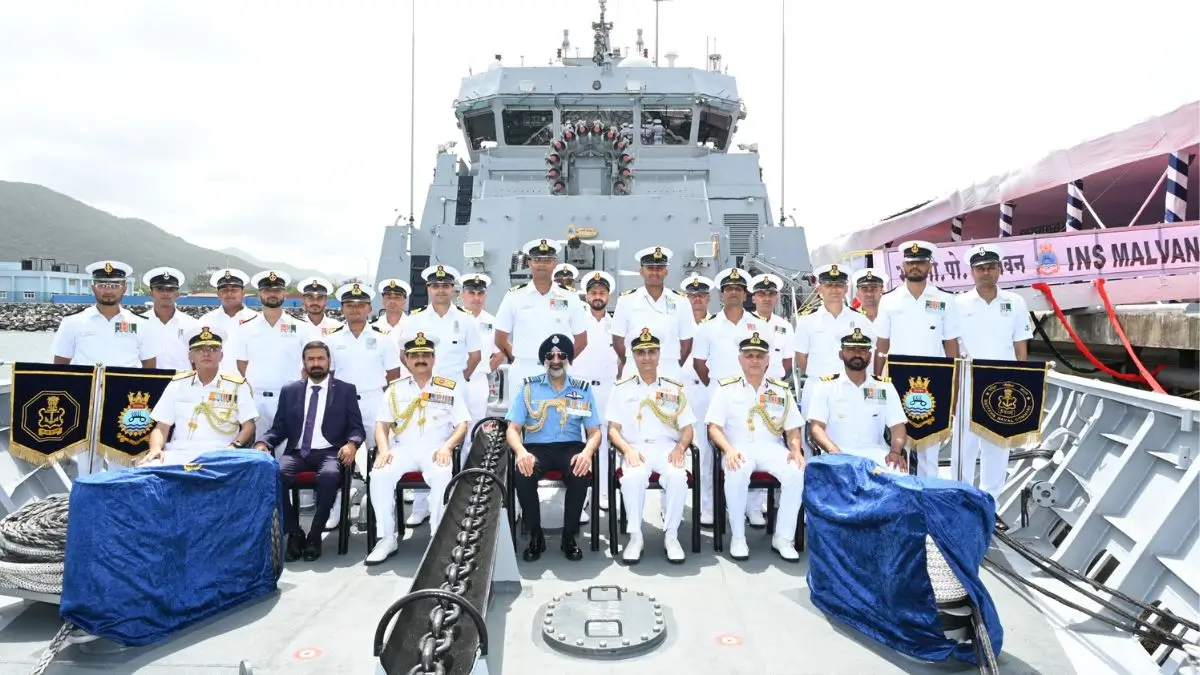
Indian Navy Commissions INS Malvan To Strengthen Coastal Security
The Indian Navy has commissioned INS Malvan, the second Mahe-class Anti-Submarine Warfare Shallow Water Craft (ASW-SWC), at Karwar Naval Base under the Aatmanirbhar Bharat initiative. Built by Cochin Shipyard Limited with over 80% indigenous content, the vessel is designed for anti-submarine warfare, underwater surveillance, mine warfare, and low-intensity maritime operations in shallow coastal waters. Named after the historic coastal town of Malvan in Maharashtra, the warship honours India’s rich naval heritage and succeeds the Navy’s earlier minesweeping craft. Its compact design enables effective operations where larger vessels face limitations, enhancing maritime domain awareness and coastal security. The commissioning of INS Malvan reflects India’s growing self-reliance in defence manufacturing and strengthens the Indian Navy’s capability to safeguard the country’s maritime interests.
DRDO Signs Key Contracts For Indigenous AEW&C Mk-II Programme
The Defence Research and Development Organisation (DRDO) has signed two major industry contracts to advance the indigenous Airborne Early Warning and Control (AEW&C) Mk-II programme under the Aatmanirbhar Bharat initiative. DRDO’s Centre for Air Borne Systems (CABS) has partnered with AI Engineering Services Limited (AIESL) to convert six Airbus A321 aircraft into platforms for the AEW&C system, while Adani Defence Systems and Technologies Limited (ADSTL) will develop and produce advanced mission systems. The aircraft will undergo integration, flight trials with the Indian Air Force, and certification before induction. The AEW&C Mk-II platform will enhance long-range surveillance, early threat detection, secure communications, and command-and-control capabilities, strengthening India’s air defence, indigenous aerospace manufacturing, and self-reliance in advanced defence technologies.
HAL Partners Safran To Manufacture LEAP Engine Components In India
Hindustan Aeronautics Limited (HAL) and Safran Aircraft Engines have signed a long-term agreement to manufacture superalloy turbine ring forgings for the globally used CFM LEAP engine programme. Under the partnership, HAL will produce these high-precision components at its Foundry and Forge Division in Bengaluru, strengthening India’s role in the global aerospace supply chain. The LEAP engine, developed by CFM International, powers the Airbus A320neo, Boeing 737 MAX, and COMAC C919 aircraft and is known for its fuel efficiency and lower emissions. The agreement enhances India’s advanced manufacturing capabilities, supports exports of high-value aerospace components, and reinforces the country’s ambition to become a global aerospace manufacturing hub while expanding HAL’s presence in international civil aviation markets.
Schemes News
CSC Registration 2026: Start Digital Service Centre From Home
The Common Service Centre (CSC) Scheme under the Digital India Mission has enabled individuals to start home-based digital service businesses by becoming Village Level Entrepreneurs (VLEs). With the advancement of CSC 4.0, centres now provide more than 500 government and private services, including Aadhaar services, PAN applications, Ayushman Bharat registration, banking, insurance, bill payments, and government certificates. Eligible applicants must be Indian citizens, have passed Class 10, possess basic computer knowledge, internet access, and complete the Telecentre Entrepreneur Course (TEC) certification. The registration process involves TEC completion, online application, document submission, and verification by authorities. CSC operators earn commissions based on services provided, with potential monthly earnings exceeding ₹30,000 depending on location, demand, and customer volume. Applicants must use only official CSC portals to avoid fraud.
Mini Nandi Farmer Prosperity Scheme Offers ₹11.8 Lakh Dairy Aid
The Mini Nandi Farmer Prosperity Scheme aims to strengthen dairy farming by supporting farmers in setting up scientific dairy units with high-yielding indigenous cattle breeds such as Gir, Sahiwal, and Tharparkar. The scheme provides financial assistance of up to ₹11.80 lakh for establishing a 10-cow dairy unit costing ₹23.60 lakh, with 50% government subsidy, 15% beneficiary contribution, and 35% bank loan support. At least 50% of beneficiaries will be women dairy farmers, promoting rural entrepreneurship and economic empowerment. Eligible cattle must meet quality standards, including first or second lactation requirements and proper identification through ear tags. Applicants need dairy farming experience, land availability, and fodder arrangements. The online application process ensures transparency, while the initiative boosts milk production, indigenous breeds, and rural livelihoods.
Science & Tech News
IIT Madras Hosts Digital India RISC-V Symposium For Chip Innovation
IIT Madras will host the 3rd Digital India RISC-V (DIR-V) Symposium 2026 on 1–2 August at the IIT Madras Research Park in Chennai, in collaboration with the Ministry of Electronics and Information Technology (MeitY) and RISC-V International. The symposium, themed “Empowering Bharat’s Semiconductor Future,” will bring together policymakers, researchers, industry leaders, startups, investors, and students to advance India’s semiconductor ecosystem. Discussions will focus on indigenous processor development, RISC-V architecture, artificial intelligence, secure computing, hardware innovation, and semiconductor design. A key highlight will be the DIR-V Grand Challenge Hackathon, showcasing innovative RISC-V solutions. The event supports India’s semiconductor ambitions by promoting open-source processor technologies, strengthening academia-industry collaboration, encouraging startup innovation, and developing a skilled workforce for future chip design.
India observes Lokmanya Tilak Jayanti on 23 July to honour Bal Gangadhar Tilak, one of the most influential leaders of the freedom movement. Born in 1856, Tilak played a major role in transforming India’s struggle for independence into a mass movement with his slogan, “Swaraj is my birthright, and I shall have it.” A strong advocate of self-rule, Swadeshi, and national education, he co-founded institutions like the New English School, Deccan Education Society, and Fergusson College. Through newspapers Kesari and The Mahratta, he spread nationalist ideas and challenged British policies. He also launched the public Ganesh festival, promoted Shivaji celebrations, and led the Home Rule Movement with Annie Besant. His contributions as a leader, journalist, and social reformer continue to inspire generations.
On 22nd July 2026, Honourable President Droupadi Murmu inaugurated a statue of the great Mahatma Gandhi at the Museum of the City of Skopje in North Macedonia, it showcases the India’s dedication to promoting the ideals of peace, non-violence and humanity. This event was conducted in the presence of North Macedonia President Gordana Siljanovska-Davkova, and it was a key development in the relationship between the two nations.
President Murmu Unveils Gandhi’s Bust in Skopje
As part of her three-nation tour of Europe, President Droupadi Murmu unveiled the bust of Mahatma Gandhi at the Museum of the City of Skopje along with North Macedonian President Gordana Siljanovska-Davkova.
The bust symbolizes the increasing proximity of India and North Macedonia besides paying homage to the teachings of Gandhi, like truth (Satya) and non-violence (Ahimsa).
The honorary guests from both countries who attended the event showcased the growing friendship between the two countries.
President Murmu’s Statement on Mahatma Gandhi
During her speech, President Murmu referred to Mahatma Gandhi as an individual who shaped ideals that go beyond India.
She stated that,
Mahatma Gandhi was an Indian but his message forms part of worldwide.
Truth and non-violence are two important methods in restoring justice, dignity and freedom.
Although Gandhi’s philosophy was invented ages ago, the messages are still important in today’s world where conflict and intolerance abound.
His principles advocate dialogue, empathy, and peaceful coexistence.
President Murmu mentioned that Gandhi’s ideals are still used by many around the world in peacefully settling disputes.
Symbol of North Macedonia-India ties
As stated by President Murmu, the newly inaugurated bust will act as a continuous symbol of,
Friendship between India and North Macedonia
Mutual dedication to peace and tolerance
Development of humanity and mutual respect
Fortifying cultural and diplomatic relations
The statue defines the India’s ongoing dedication to cultural diplomacy by honoring famous figures whose principles resonate with citizens of nations across the globe.
Visit To The Memorial of Mother Teresa
Earlier, on her trip to North Macedonia, President Murmu visited the Memorial House of Mother Teresa in Skopje along with President Gordana Siljanovska-Davkova. Mother Teresa is born in 1910 in Skopje and lived here until 1928.
After this, she went to Ireland and joined the Sisters of Loreto order and then to India. Her achievements in providing humanitarian services in India earned her recognition with the Bharat Ratna, the highest civilian award.
The visit turns out to be significant cultural and historical connection between the two countries.
India has commissioned the INS Malvan, it is the second Mahe-class Anti-Submarine Warfare Shallow Water Craft (ASW-SWC). Launched on 22nd July 2026 in Karwar, this indigenous war vessel has been a testament to India’s progress toward self-reliance in the defence sector due to the Aatmanirbhar Bharat campaign. Having been built with more than 80% Indian content, the INS Malvan will help in to enhancing anti-submarine warfare, mine warfare, underwater surveillance, and coastal security.
Indian Navy Launched INS Malvan
On July 22nd, 2026, the Indian Navy has launched the INS Malvan at the Karwar Naval Base.
Respectable Air Chief Marshal A.P. Singh presided over the launch, he was accompanied by Vice Admiral Sanjay Vatsayan and senior navy officers, as well as representatives of the Cochin Shipyard Limited (CSL), former service men, and other notable attendees.
INS Malvan is the second vessel of the Mahe-class of the Anti-Submarine Warfare Shallow Water Craft category and the sixth ASW-SWC vessel to join the Indian Navy fleet.
What is INS Malvan?
INS Malvan is a modern Anti-Submarine Warfare Shallow Water Craft (ASW-SWC) developed for operations in coastal and shallow waters of India.
The craft has been developed by Cochin Shipyard Limited (CSL), Kochi, which indicates the country’s growing capabilities in indigenous naval shipbuilding.
The ship’s name is inspired by Malvan, an ancient coastal town in Maharashtra, which honors the seafaring tradition of Chhatrapati Shivaji Maharaj, who is considered the father of Indian naval history.
The vessel is a successor of the Minesweeping Craft that served in the Indian Navy till 2003.
Key Features of INS Malvan
The ship ISN Malvan has been fitted with modern technology that helps make it as one of the best shallow water combat vessels in the Indian Naval fleet.
Main Characteristics of the Ship
It is the second ship of Mahe Class Anti Submarine Warship category.
The builder of the ship is Cochin shipyard limited, India;
The ship has more than 80% local content in its construction;
The main function of the ship is to be utilized for anti-submarine warfare;
The ship has the capacity to carry out underwater surveillance;
The ship is capable of mine warfare;
The ship will carry out low-intensity maritime operations;
It contributes to enhancing maritime domain awareness and maritime security in coastal areas;
Due to its small size, the vessel is able to operate in the shallow coastal waters where that are operational problems with larger ships.
One of the most remarkable features of INS Malvan is its high percentage of indigenous content.
More than 80% of the systems and equipment onboard the ship are of Indian origin, the success of Aatmanirbhar Bharat program by the Government of India can be clearly witnessed by this development.
Ship is indicative of the impressive growth of Indian capabilities in the following sectors are,
Ship design
Defence electronics
Indigenous sensors
Weapon systems development
Shipbuilding technology
System development
In addition, it reflects the cooperation between public and private sector industries in India in developing state-of-the-art naval vessels.