
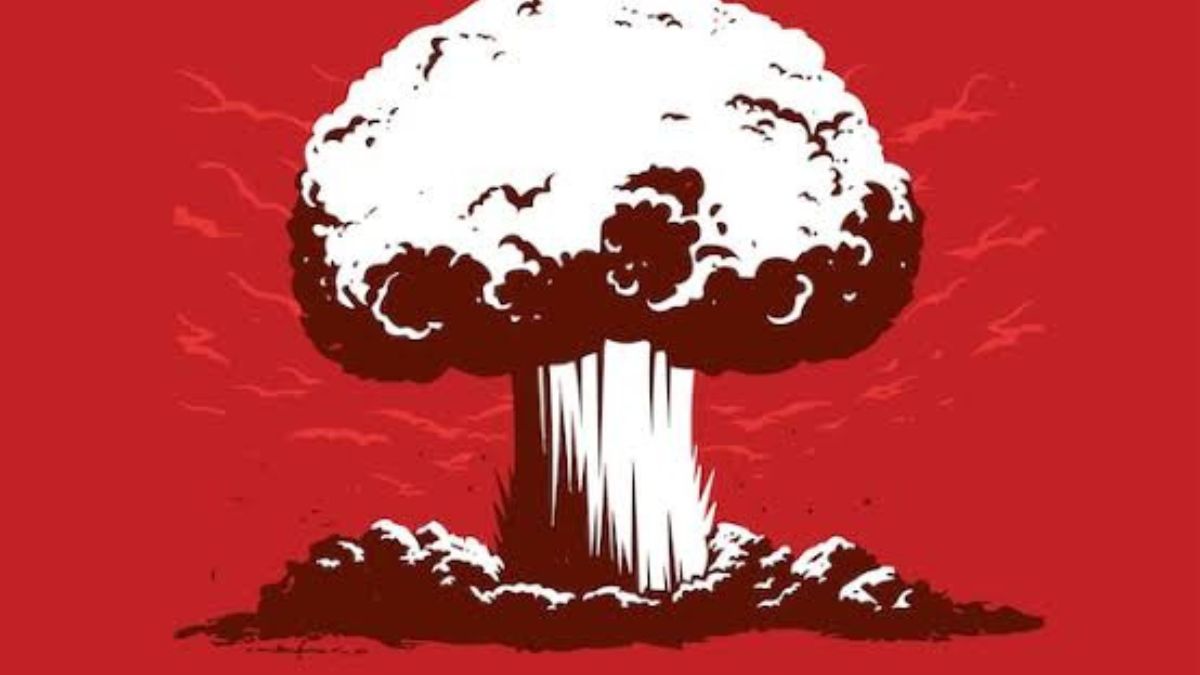
Nagasaki Day is observed every year on August 9 to remember the horrific consequences of the atomic bombing in 1945, when the city of Nagasaki, Japan, was devastated by a nuclear bomb during World War II. 2025 marks the 80th anniversary of this tragic event, drawing renewed attention to the dangers of nuclear warfare, the suffering of the survivors (known as hibakusha), and the urgent need for peace and global nuclear disarmament. This day is not only a historical remembrance but also a global appeal to ensure that such a catastrophe is never repeated.
Historical Background: A City in Flames
The United States dropped the atomic bomb “Fat Man” on Nagasaki at 11:02 a.m. on August 9, 1945, just three days after the bombing of Hiroshima. Instantly, the bomb destroyed much of the city, killing over 74,000 people, with many more succumbing to injuries and radiation-related illnesses in the years that followed. The impact was so severe that it not only flattened Nagasaki but also contributed significantly to Japan’s surrender, effectively ending World War II.
The survivors, known as hibakusha, endured lifelong physical and psychological trauma. The bombing left behind haunting lessons about the immense destructive power of nuclear weapons, becoming a symbolic moment in the nuclear age and raising questions about humanity’s ethical responsibilities.
The Aftermath and Lingering Scars
The physical devastation of Nagasaki was just the beginning. Thousands of survivors suffered severe burns, radiation sickness, leukemia, and other cancers. Many faced social discrimination, isolation, and psychological distress for decades. The city’s infrastructure collapsed, and rebuilding took years.
Moreover, the psychological trauma extended across generations, influencing survivors’ children and shaping the national consciousness of Japan. Globally, Nagasaki became a moral landmark—a warning against the unthinkable consequences of nuclear warfare. It also inspired growing calls for global nuclear disarmament, peace treaties, and anti-nuclear advocacy.
Legacy and Significance: Why Nagasaki Day Still Matters
Nagasaki Day is more than a historical commemoration; it’s a powerful moral reminder of what is at stake in a nuclear world. The legacy of the bombing fuels peace movements, international campaigns against nuclear weapons, and efforts to teach future generations about the ethical implications of war and science.
The survivors, or hibakusha, have become international voices for peace, sharing testimonies in schools, global forums, and UN platforms. Nagasaki Day emphasizes global solidarity—urging nations to uphold human dignity, embrace diplomacy, and resist militarism.
Commemorative Events and Observances in 2025
In 2025, the 80th anniversary of Nagasaki’s bombing is expected to draw international participation. The main ceremony is held at Nagasaki Peace Park, featuring:
- A moment of silence at 11:02 a.m.
- A Peace Declaration by the Mayor of Nagasaki
- Wreath-laying ceremonies
- Water offerings for the victims who died of thirst and burns
Global Relevance: A Universal Call for Peace
The message of Nagasaki Day resonates far beyond Japan. In an era where geopolitical tensions and nuclear arms races persist, the observance calls on the global community to recommit to nuclear non-proliferation, ethical governance, and humanitarian diplomacy.








 Vigilance Awareness Week 2026: Theme, Da...
 Indo-Tibetan Border Police (ITBP) Raisin...
 World Polio Day 2026: Date, Theme, India...










