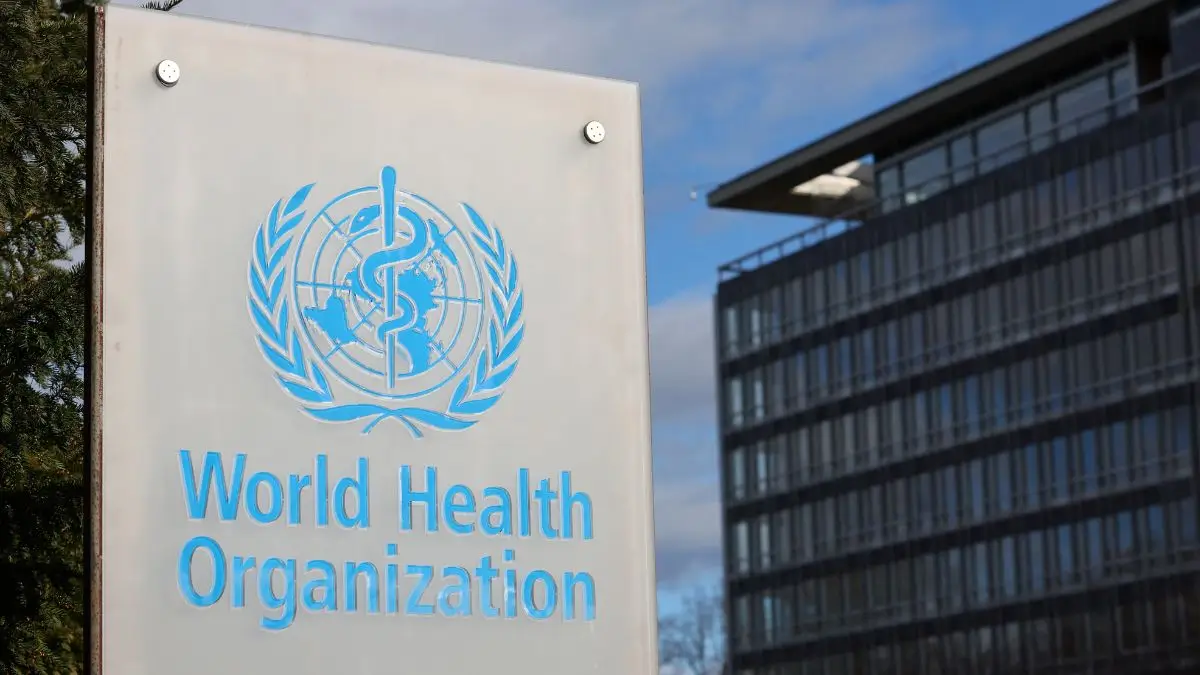
Argentina has announced its withdrawal from the World Health Organization (WHO), following a similar decision made by the United States under President Donald Trump. President Javier Milei’s administration cited “deep differences” with the WHO’s handling of health issues, particularly the COVID-19 pandemic. This move has sparked debates on Argentina’s global standing, healthcare policies, and the potential impact on the WHO’s credibility. Critics argue that the decision may require congressional approval and could have long-term consequences for Argentina’s healthcare system and international relations.
Key Highlights of Argentina’s WHO Exit
Decision and Announcement
- Argentina announced its withdrawal from the WHO on Wednesday.
- Presidential spokesperson Manuel Adorni confirmed the decision in a news conference.
- Foreign Minister Gerardo Werthein has been instructed to formalize the exit.
Reasons for Withdrawal
- President Milei cited “deep differences” with WHO’s management of health issues.
- Criticism over WHO’s handling of the COVID-19 pandemic.
- Concerns about WHO’s political independence and influence from other nations.
- Extended lockdowns under Argentina’s previous left-wing government were a key factor in the decision.
Check: Today Current Affairs
Alignment with US Policy
- Milei closely follows Donald Trump’s policies and considers him a political ally.
- Trump withdrew the US from WHO in January 2025, immediately after resuming office.
- Both leaders criticized WHO’s COVID-19 response and financial policies.
Legal and Healthcare Implications
- Argentina’s withdrawal may not be legally binding without congressional approval.
- Critics argue the decision needs to be passed as a law before it is finalized.
- The move could impact Argentina’s access to medical supplies and health technologies.
- Milei’s government has already implemented budget cuts in the health sector, including layoffs and reduced vaccine programs.
Impact on WHO
- The US is WHO’s largest contributor, providing $950 million annually (15% of the total budget).
- Argentina’s contribution of $8 million is much smaller and unlikely to affect WHO financially.
- Concerns arise over the possibility of other nations following Argentina’s lead, impacting WHO’s credibility.
Global and Domestic Reactions
- Critics warn that following Trump’s policies blindly may not benefit Argentina.
- Experts argue that aligning too closely with Washington could be risky given Argentina’s economic vulnerabilities.
- Healthcare experts fear the move could further strain Argentina’s already struggling healthcare system.
| Summary/Static | Details |
| Why in the news? | After US Exit, Argentina Cuts Ties with WHO |
| Reason | Disagreement with WHO’s policies, particularly COVID-19 response. |
| Key Figures | President Javier Milei, Foreign Minister Gerardo Werthein, Spokesperson Manuel Adorni. |
| US Influence | Follows Donald Trump’s decision to exit WHO. |
| Legal Hurdles | Requires congressional approval as WHO membership is part of Argentine law. |
| Healthcare Impact | Potential loss of access to medical supplies and WHO programs. |
| WHO Budget Impact | Minimal financial effect, as Argentina’s contribution is $8 million annually. |
| Global Concerns | Possibility of other countries exiting WHO, affecting its credibility. |
| Domestic Reactions | Experts and opposition criticize the move; concerns over public health services. |







 Fed Raises Rates by 25 bps: Will RBI Fol...
 Scotland, Wales and Northern Ireland See...
 BRICS 2027: China to Host Next Summit, S...