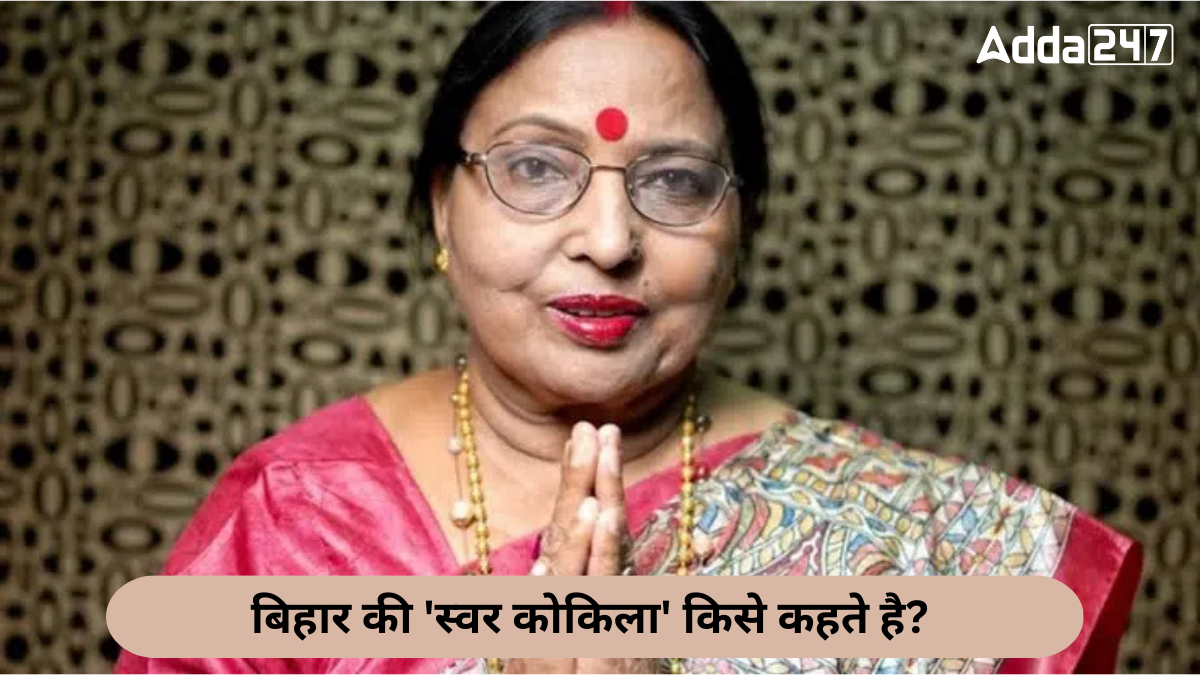
Sharda Sinha, a renowned folk singer from Bihar, is affectionately called “Bihar Swar Kokila” for her melodious voice and remarkable contribution to Bihari music. She is known for her beautiful renditions of Bhojpuri and Maithili songs, which have captured the hearts of millions and helped preserve the cultural traditions of Bihar.
Who is Known as Bihar Swar Kokila?
“Bihar Swar Kokila” refers to Dr. Sharda Sinha, a renowned Indian folk and classical singer from Bihar. She is famous for her soulful performances in Maithili, Bhojpuri, and Hindi languages, especially during the Chhath Puja. Known for her deep connection to Bihar’s cultural heritage, Sharda Sinha earned prestigious awards like Padma Shri and Padma Bhushan for her contributions to music.
Why did Dr. Sharda Sinha Earned the title of Bihar Swar Kokila?
Dr. Sharda Sinha earned the title of “Bihar Swar Kokila” because of her exceptional contributions to Bihar’s folk music. She is widely recognized for her soulful performances in Maithili, Bhojpuri, and Hindi, particularly during the Chhath Puja. Her voice became a symbol of Bihar’s rich cultural heritage, earning her deep admiration across India.
Who was Dr. Sharda Sinha?
Dr. Sharda Sinha was a renowned Indian folk and classical singer from Bihar. Born on October 1, 1952, she became famous for singing in Maithili, Bhojpuri, and Hindi. Known as “Bihar Swar Kokila,” she earned recognition for her soulful performances, especially during Chhath Puja. She was awarded the Padma Shri in 1991 and the Padma Bhushan in 2018 for her contribution to music. Sinha’s songs preserved and promoted Bihar’s rich cultural heritage.
Career Highlights of Bihar Swar Kokila
Dr. Sinha’s career took off when she began performing at various cultural events, including the Basant Mahotsav in Allahabad, organized by the Prayag Sangeet Samiti. She was especially popular for her folk songs related to Chhath Puja, a festival celebrated in Bihar. Her soulful performances captivated audiences across the country, and she continued to perform for major events, including those attended by political figures such as the Prime Minister of Mauritius.
Bollywood Contributions
In addition to her folk music, Sharda Sinha lent her voice to several Bollywood songs. Some of her most popular contributions include:
- “Kahe Toh Se Sajna” from Maine Pyar Kiya (1989)
- “Taar Bijli” from Gangs of Wasseypur Part 2
- “Kaun Si Nagaria” from Chaarfutiya Chhokare
These songs helped her reach a wider audience beyond her regional fame.
Awards Received by Sharda Sinha, Bihar Swar Kokila
Here is a list of the awards and honors received by Dr. Sharda Sinha:
| Awards | Year |
| Padma Shri | 1991 |
| Padma Bhushan | 2018 |
| Sangeet Natak Akademi Award | 2000 |
| Doctorate in Indian Classical Music | – |







 UPI MDR From October 15: What Customers ...
 Weekly Current Affairs One Liners (14th ...
 Which Indian State Has the Most GI-Tagge...