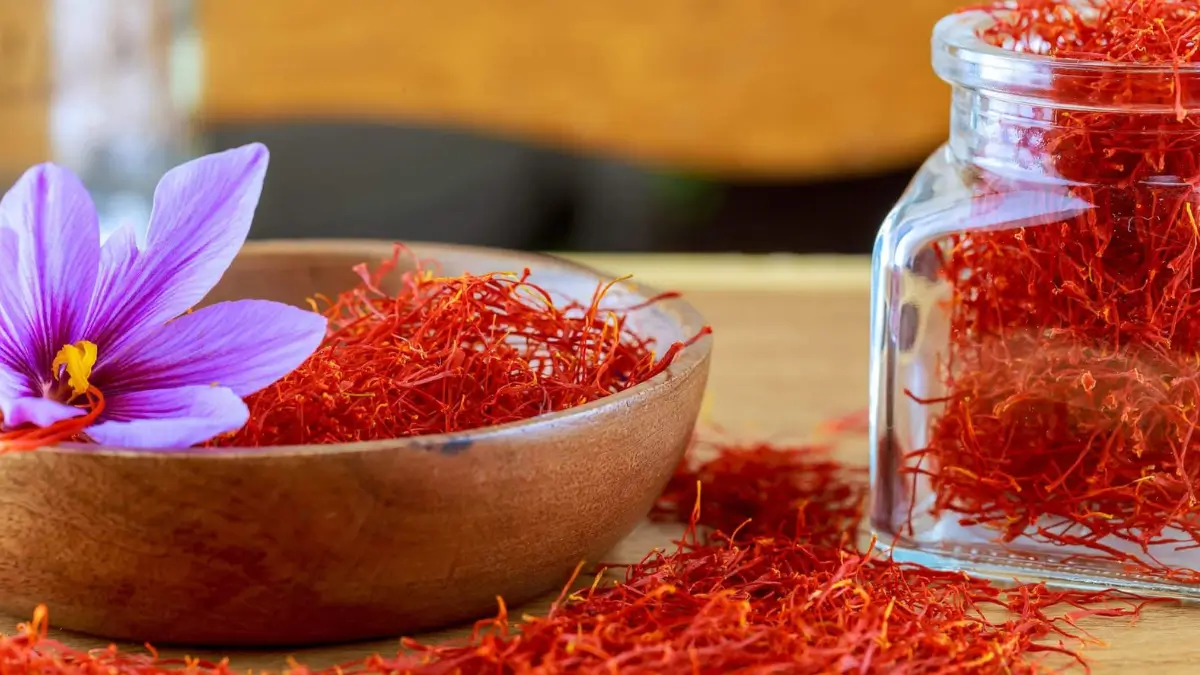
India is known as the land of spices, and among them, one stands out for its rich colour, strong aroma, and high value. This special spice grows only in limited places with the right climate and soil. In one beautiful region of the country, vast fields turn purple during blooming season, attracting attention from farmers, traders, and travellers alike. This place plays a key role in keeping India’s spice heritage alive.
Which Place is known as the Saffron Capital of India?
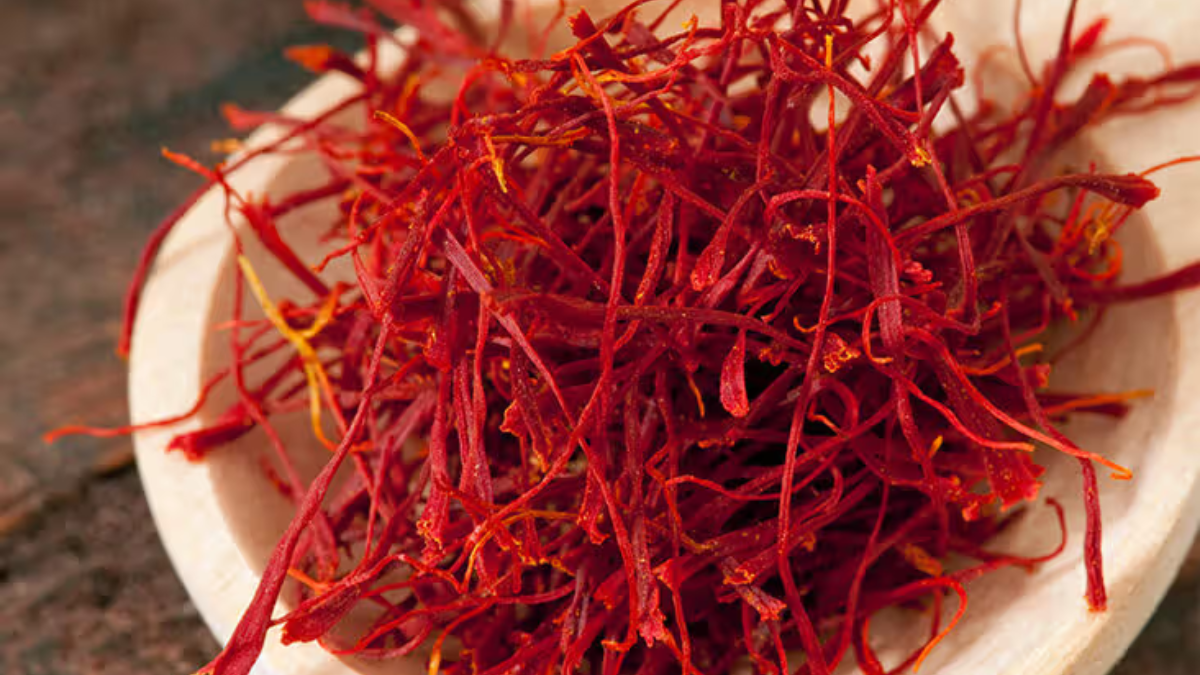
Pampore, a small town in the Pulwama district of Jammu and Kashmir, is known as the Saffron Capital of India. It is the heart of saffron farming in the country. The saffron grown here, called Kashmiri Kesar, is famous for its deep red strands, strong fragrance, and rich colour.
Key Facts About Pampore
- Saffron Capital of India: Pampore
- State: Jammu and Kashmir
- Crop Type: Spice
- Harvest Time: October to November
- Special Soil: Karewa soil
- GI Tag: Kashmiri Saffron
Why is Pampore So Important for Saffron?
Pampore is special because it has the perfect natural conditions for saffron. The area has a dry and cool climate, high land called Karewa plateaus, and well-drained soil. These factors help saffron flowers grow healthy and strong.
Saffron farming in Pampore is more than a thousand years old. It is not just a crop here—it is a tradition passed from one generation to another. Most of India’s saffron comes from this single belt, making Pampore the centre of saffron production.
Where is Pampore Located?
Pampore is about 15 kilometres away from Srinagar in the Kashmir Valley. It lies near the Jhelum River and is surrounded by wide Karewa lands. These raised lands are ideal for saffron because they do not hold too much water, which saffron plants cannot tolerate.
Which State Produces the Most Saffron in India?
Jammu and Kashmir is the only major saffron-producing state in India. Almost the entire saffron supply of the country comes from this region. Within the state, Pampore is the most famous and productive area.
Saffron Production in the World
Iran is the largest saffron producer in the world and supplies nearly 90% of global saffron. Other producers include Afghanistan, Spain, and India. Although India produces a small amount compared to Iran, Kashmiri saffron is known worldwide for its superior quality.
What makes Kashmiri Saffron Special?
Kashmiri saffron is rich in three important natural compounds:
- Crocin – gives strong colour
- Safranal – gives pleasant aroma
- Picrocrocin – gives bitter taste
It is hand-picked and sun-dried in the traditional way. This careful process keeps its natural strength and purity, making it different from machine-dried saffron of other countries.
GI Tag of Kashmiri Saffron
Kashmiri saffron has received a Geographical Indication (GI) tag. This tag proves that the saffron comes from Kashmir and protects it from being copied or mixed with fake products. It also helps farmers get better prices in the market.
Economic Importance of Saffron
Saffron is the main source of income for thousands of families in Pampore and nearby areas. Because it is very expensive and exported to many countries, it plays an important role in India’s spice trade. For this reason, saffron is often called “Red Gold.”
Uses of Saffron in India
Saffron is used in many ways in India:
- In sweets, rice dishes, and milk drinks
- In Ayurveda and traditional medicines
- In cosmetics and beauty products
- In religious rituals
- As a natural dye for fabrics
Interesting Facts About Pampore and Saffron
- One of the Costliest Crops: Around 1.5 lakh flowers are needed to make just one kilogram of saffron. Each flower is picked by hand.
- Special Soil: Saffron grows best in Karewa soil, which is found mainly in the Kashmir Valley.
- Very Short Harvest Time: The saffron flower blooms for only two to three weeks in a year.
- Part of Kashmiri Culture: Saffron is a symbol of pride, purity, and tradition in Kashmir.








 Major Popular Rivers of Nepal: It's Feat...
 Top 10 Richest Cricket Boards in 2026: B...
 18th BRICS Summit 2026: Date, Host, Venu...