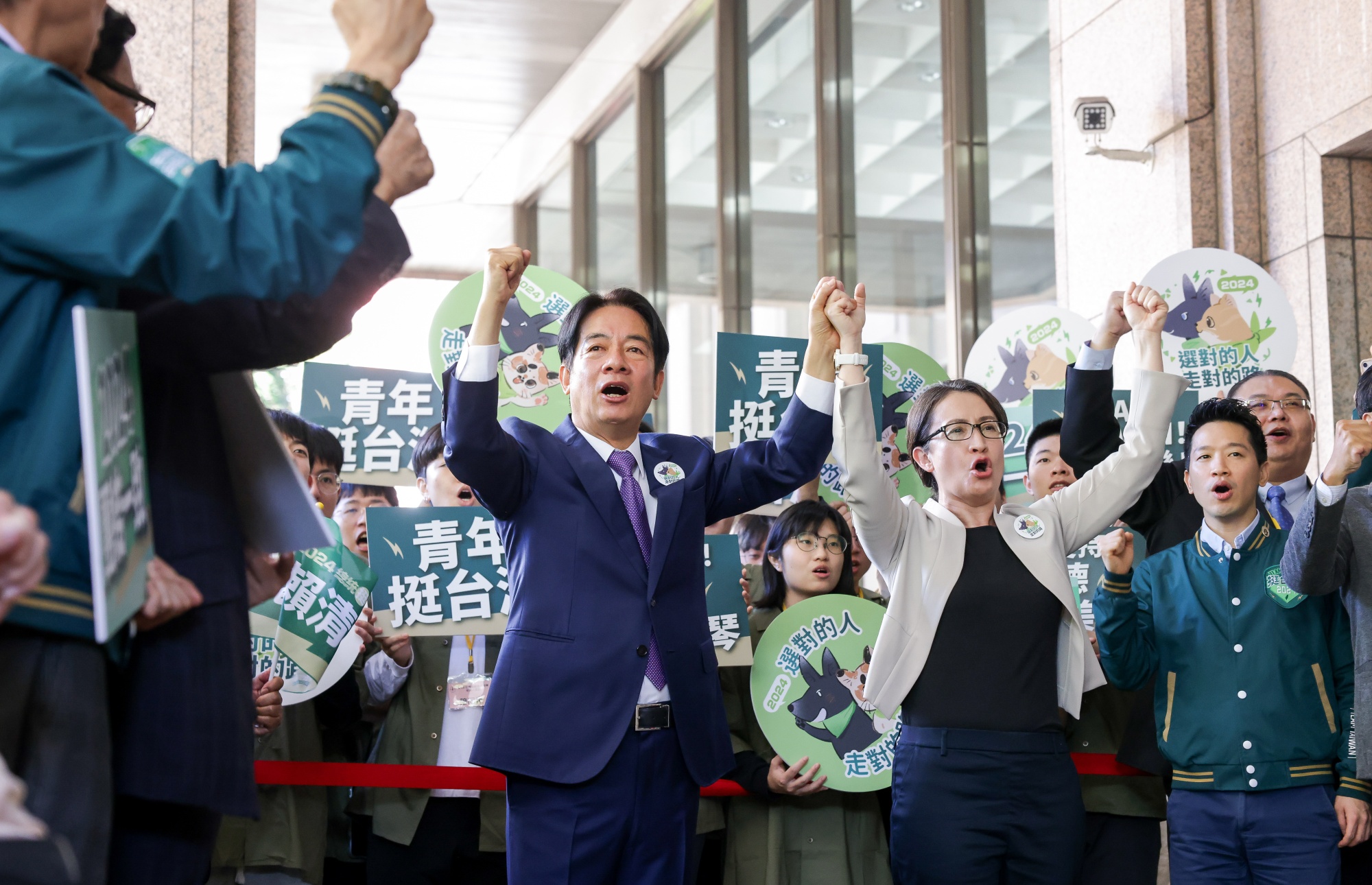
In a groundbreaking election, Taiwanese voters have chosen William Lai Ching-te, a pro-sovereignty candidate from the Democratic Progressive Party (DPP), as their president, marking a significant departure from China. Lai, the current vice president, secured an unprecedented third consecutive term for the DPP by defeating his conservative rival, Hou Yu-ih of the Kuomintang (KMT), by over 900,000 votes.
Beijing’s Unease and Military Buildup
China, branding Lai as a “dangerous separatist,” expressed anger over the election results, asserting Taiwan as part of China and framing the choice as one between “war and peace.” China has escalated its military presence around Taiwan, raising concerns about potential conflict.
Lai’s Stance and Message to China
In response, President-elect Lai emphasized a commitment to maintaining the cross-strait status quo, advocating for dialogue and exchanges over conflict. While urging peace and stability with Beijing, Lai assured that Taiwan would be safeguarded from threats from China. Despite previous pro-independence remarks, Lai conveyed a pragmatic approach, vowing not to pursue formal independence.
International Reactions and DPP’s Continued Dominance
The United States, Taiwan’s key ally, swiftly congratulated Lai on his victory, praising Taiwan’s democratic system. President Joe Biden reiterated the U.S.’s non-support for Taiwan’s independence. With Lai’s win, the DPP secures an unprecedented third consecutive term, reflecting majority support for the party’s commitment to preserving democracy, even as Beijing dismisses it as non-representative of mainstream Taiwanese opinion.
Important Takeaways For All Competitive Exams
- Election Outcome: William Lai Ching-te, a pro-sovereignty candidate from the Democratic Progressive Party (DPP), won the recent presidential election in Taiwan, securing an unprecedented third consecutive term for the DPP.
- China’s Response: Beijing expressed anger over Lai’s victory, labeling him a “dangerous separatist” and emphasizing Taiwan as part of China. China’s military presence around Taiwan has heightened, raising concerns about potential conflict.
- Lai’s Stance: Despite past pro-independence remarks, President-elect Lai emphasized a commitment to maintaining the cross-strait status quo, advocating for dialogue over conflict, and pledging to safeguard Taiwan from threats from China.
- International Reactions: The United States swiftly congratulated Lai, commending Taiwan’s democratic system. President Joe Biden reiterated the U.S.’s non-support for Taiwan’s independence, highlighting the delicate geopolitical dynamics in the region.
Important Questions Related to Exams
- Who won the recent presidential election in Taiwan, and which party does he belong to?
- How did Beijing characterize the election in Taiwan, and what measures did it take in response?
- What key message did President-elect William Lai convey regarding cross-strait relations and Taiwan’s status?
Kindly share your responses in the comment section!!








 World Bank Mobilises $112 Billion in Pri...
 Who Is Katie Zacharia? Trump Names New W...
 Panama Earthquake 2026: 7.7-Magnitude Qu...