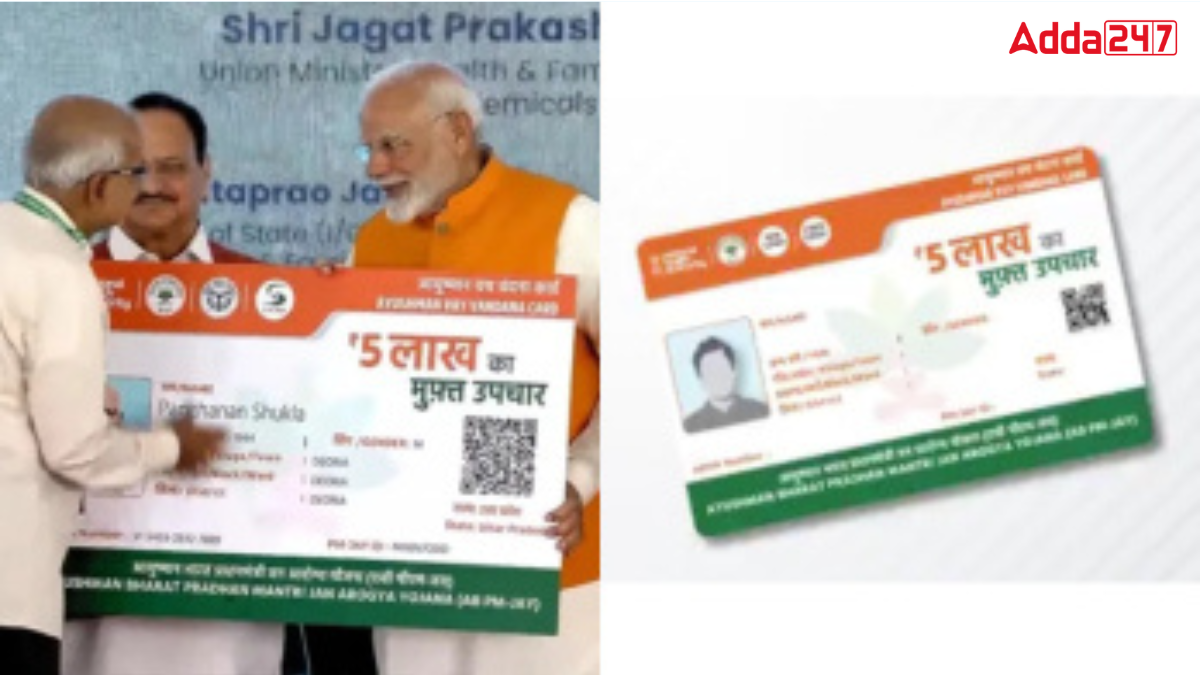
The Government of India has started a new health scheme called the Ayushman Vay Vandana Yojana (AVVY) in October 2024. Under this scheme, every Indian citizen who is 70 years or elder will get free health insurance of up to Rs.5 lakh every year. This card helps senior citizens get medical care without worrying about costs.
What is the Ayushman Vay Vandana Card?
The Ayushman Vay Vandana Card (AVVC) is a special health card for people aged 70 and above. It gives Rs5 lakh cashless health cover every year, no matter how much money you earn or whether you had health insurance before.
If you already have Ayushman Bharat PM-JAY, you’ll get an extra Rs.5 lakh as a top-up. People with private or other government health insurance can also apply – but they must choose between their current plan and AVVY.
Who Can Get this Card?
Every Indian citizen aged 70 or more can get the AVVC.
- No income limit
- No medical test
- No waiting for coverage
- Covers pre-existing diseases from Day 1
Even if you already have private insurance or another government plan, you can still apply. But only one plan can be used – either AVVC or your current one.
What Treatments are Covered?
The AVVC covers 1,961 medical procedures across 27 specialties, such as:
- Heart treatments
- Cancer care
- Kidney care
- Bone and joint surgeries
You can use the card at 30,000+ hospitals in India, including over 13,000 private hospitals.
How to Get the Ayushman Vay Vandana Card?
- Download the App: Install the Ayushman Bharat App from Google Play Store.
- Login: ”Login as Beneficiary” or ”Operator.”
- Enter Details: Add your mobile number, captcha and select an ID method.
- OTP Verification: Enter the OTP sent to your mobile and click login.
- Allow Location Access: Let the app use your phone’s location.
- Fill Beneficiary Details: Add your Aadhar number, state and other info.
- If Not Found, Use e-KYC: Complete e-KYC using Aadhar OTP.
- Self Declaration: Fill out form with your basic details.
- Verify Mobile Again: Enter and verify your mobile number with OTP.
- Final Information: Add your PIN code, social category and family info.
- Download the Card: Once e-KYC is approved, download the AVVC Card.
Significance of Ayushman Vay Vandana Yojana
The government has already spent Rs.1.29 lakh crore on free hospital care under Ayushman Bharat. With AVVY, more senior citizens will now get good medical care without paying from their pockets.
This is a big step toward helping older people live healthier lives.





 Delhi Cabinet Approves DURGA Scheme: 1,3...
 Ayushman Bharat Completes 8 Years, Cover...
 Weekly Current Affairs One Liners (14th ...