Usha Mangeshkar to Receive Inaugural Honour Dr Bhupen Hazarika National Award

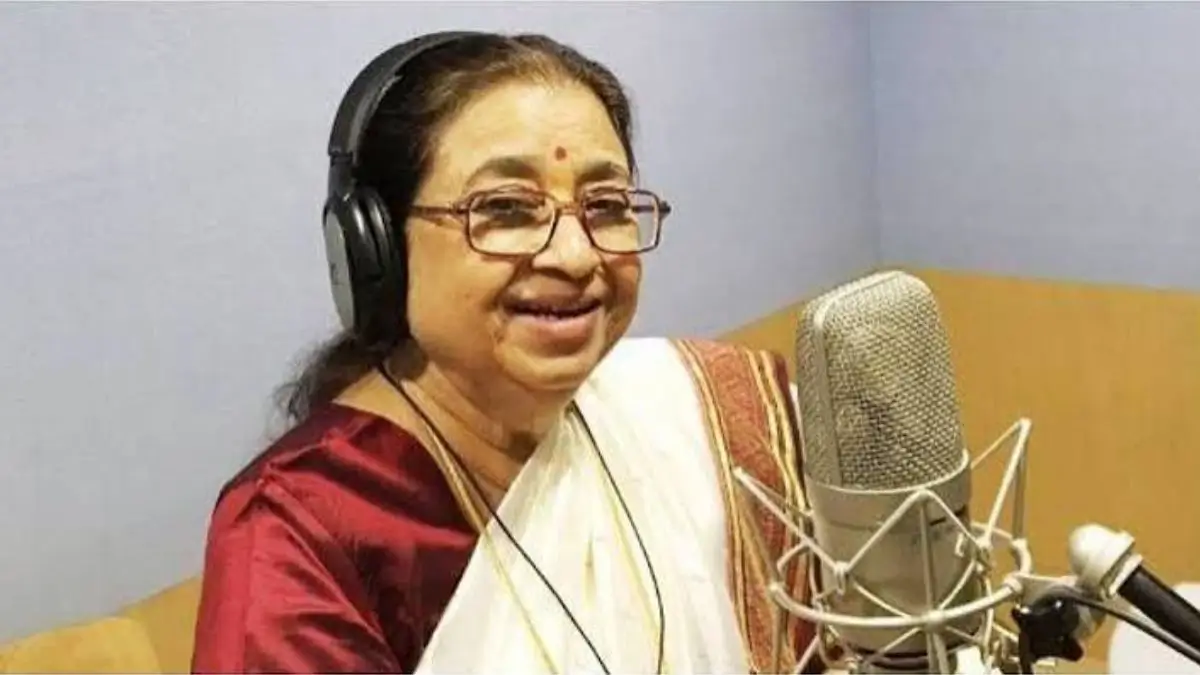
The Assam Cabinet has recommended a national-level award in honor of the late Bharat Ratna Dr. Bhupen Hazarika for individuals who have made significant contributions to the fields of music and culture. The first recipient of the award would be singer Usha Mangeshkar, owing to her contributions to Indian music and connection with Hazarika’s musical creations. The Assam Cabinet has also increased the amount of money that comes with the Mahapurush Srimanta Sankardev Award and finalized the list of Assam civilian awards for 2025.

Bharat Ratna Dr Bhupen Hazarika National Award: Key Information

This national award seeks to honor the memory of the famous Assamese singer, composer, lyricist, and film-maker, Bhupen Hazarika, who merged music with social issues and humanitarianism. It is designed to honor those personalities in music, arts, or cinema who have earned national or international recognition.

The first-ever award will be conferred upon Usha Mangeshkar at the closing ceremony marking the birth centenary of Bhupen Hazarika, which will be held in New Delhi on November 29, 2026. The Prime Minister, Shri Narendra Modi, will confer the award in Bharat Mandapam.

Cash prize for Mahapurush Srimanta Sankardev Award Increased

Another important decision taken by the Assam cabinet is to increase the cash prize of Mahapurush Srimanta Sankardev award to ₹15 lakh from the present cash prize of ₹10 lakh.

This decision acknowledges the significance of this cultural award in the state.

Who was Srimanta Sankardev?

Srimanta Sankardev was an Assamese saint, scholar, poet, playwright, and social reformer belonging to 15th-16th centuries.

He was a significant contributor to the Neo-Vaishnavite movement in Assam.

Assam Civilian Awards 2025: List of Winners

The cabinet decided on the awardees of the Assam Baibhav, Assam Saurav, and Assam Gaurav awards of the year 2025. The awards will recognize contribution in the fields of health care, wildlife conservation, arts, culture, sports, agriculture, entrepreneurship and social service.

1. Assam Baibhav Award

  • Dr Harsha Bhattacharjee, who is an accomplished ophthalmologist connected with the Srimanta Sankaradeva Nethralaya, has been chosen for the Assam Baibhav, which is the state’s highest civilian award.
  • It is an acknowledgment for his contributions towards the eye care and healthcare services.

2. Assam Saurav Award

Four individuals have been chosen for the Assam Saurav Award on the basis of their contributions in various spheres.

Name FIELD of contribution
Dr Kushal Konwar Sarma Wildlife knowledge, veterinary science and elephant conservation
Nuruddin Ahmed Art, sculpting and cultural activities
Pulak Banerjee Music
Dr Purnima Devi Barman Wildlife conservation and greater adjutant stork or Hargila

3. Assam Gaurav Award

There have been ten individuals along with two organisations awarded with the Assam Gaurav Award, thus making the total number of awardees as twelve.

Awardee  Field/Contribution
Devi Prasad Bagrodia Social work
Holicharan Narzary Football
Simu Das Cricket
Harakanta Basumatary Palm oil plantation
Dhanjit Talukdar Manuscript preservation
Nibedita Yein Food & Tourism business
Mayank Chakrabarty Chess
Jiten Phangcho Ginger plantation
Tonumaya Sonar Viswakarma Dairy farming
Dikpal Lahan Tourism
Kolong Kopili NGO
Padum Pothar Agro Organic Producer Company Producer company

Ashoke Sen Wins Oskar Klein Medal 2026: First Indian Physicist to Receive the Honour

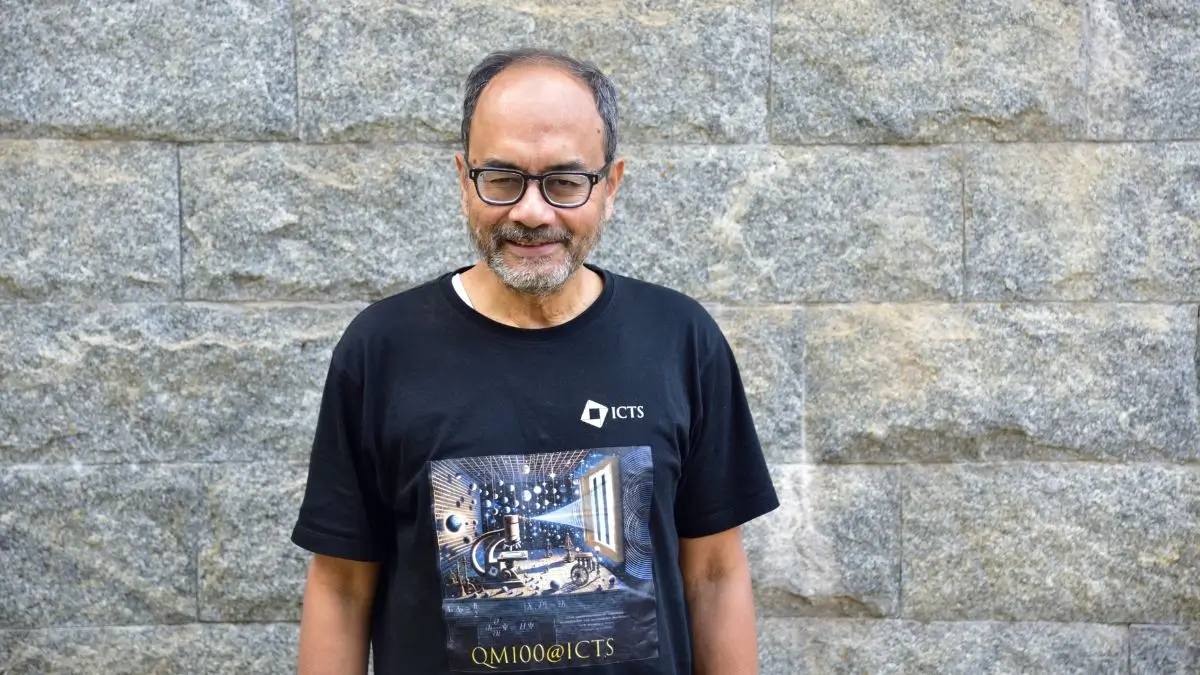
The Indian theoretical physicist, Ashoke Sen, has been honored with the Oskar Klein Medal 2026, and he has become the first Indian physicist to receive such an international award. This prize is awarded in recognition of his pathbreaking work on string theory, in which he has made groundbreaking work in S-duality, black hole entropy counting, and string field theory. Sen holds the position of ICTS-Infosys Madhava Chair Professor at the International Center for Theoretical Sciences (ICTS), Bengaluru.

What is the Oskar Klein Medal?

Oskar Klein Medal is an annual international award of physics that has been in existence since 1988. It is awarded annually by the Stockholm University and the Nobel Committee for Physics of the Royal Swedish Academy of Sciences. The award is named after Oskar Klein, a renowned Swedish theoretical physicist.

The awardee also delivers the lecture called “Oskar Klein Memorial Lecture.” The previous awardees include Nobel laureate scientists Chen-Ning Yang, Steven Weinberg and Hans Bethe.

Contributions by Ashoke Sen to Physics

Ashoke Sen is known for his contributions that have helped develop modern string theory and black hole physics.

1. String Theory

String theory is an attempt to build a theoretical framework in which the fundamental constituents of nature are not point objects but strings. The goal of string theory is to construct a consistent framework for the description of the interaction of these strings including gravitational interaction.

2. S-Duality

S-duality is a theoretical connection between two descriptions of a physical system where one description corresponds to a description at a weak coupling while another one – at a strong coupling. This allows to study the physics of some difficult problem through the other description of the same system.

3. Black-Hole Entropy

Black-hole entropy is related to the number of microscopic quantum states that correspond to macroscopic properties of a black hole. Research done by Sen was helpful in the calculation of this number of states in some theoretical models.

4. String Field Theory

The String Field Theory is the theory of mathematics used in the study of strings and their behavior. The work done by Sen in this area has helped to shape current string theory.

Other Awards and Honours of Ashoke Sen

In addition to receiving several national and international awards, Sen received the Oskar Klein Medal.

Below is the year wise award recognition for him,

  • 1989: ICTP Prize
  • 1994: Shanti Swarup Bhatnagar Prize
  • 1998: Granted Fellowship of the Royal Society
  • 2001: Padma Shri
  • 2009: Infosys Prize in the Mathematical Sciences
  • 2012: Breakthrough Prize in the Fundamental Physics
  • 2013: Padma Bhushan
  • 2014: Dirac Medal
  • 2026: Oskar Klein Medal

2026 Oskar Klein Memorial Lecture

In 2026, Sen gave a lecture on 22 October 2026 at Stockholm University’s AlbaNova Centre on the topic of “Gravity from Strings and Strings from Gravity”.

India at Asian Para Games 2026: Medal Tally, Records and Winners

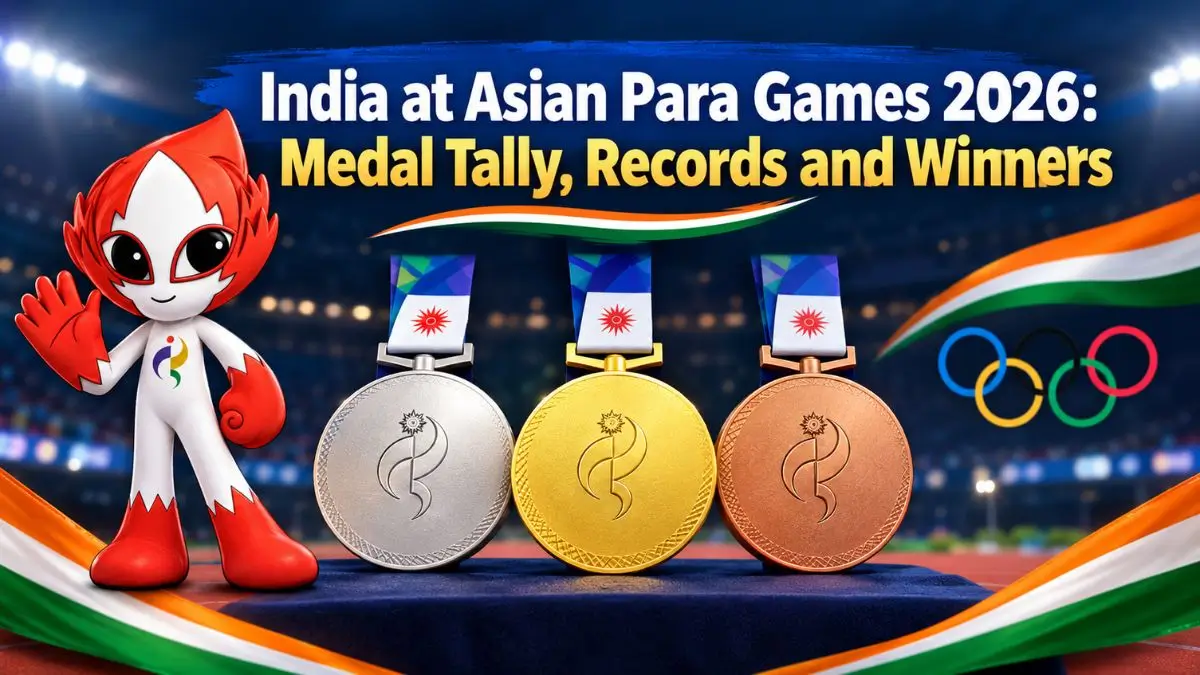
India performed exceptionally well at the 2026 Asian Para Games held in Aichi-Nagoya, Japan, winning a total of 114 medals – 30 gold, 35 silver, and 49 bronze medals. The athletes broke world records, set new historic records and created an all-Indian medal feat in several sports disciplines. This performance exceeded that of India at the previous edition of the Games in Hangzhou in 2023, although India fielded fewer para-athletes in 2026 – 168 compared to 309 in 2023.

India’s Medal Count at the Asian Para Games 2026

The medal count from this edition was better than that of the previous edition after adjustments. During Hangzhou 2022, which was staged in 2023, India won 111 medals but had three medals stripped due to doping charges involving Neeraj Yadav and Parveen.

Medal category Medals won
Gold 30
Silver 35
Bronze 49
Total 114

India dispatched 168 para-athletes for the 2026 Asian Para Games, compared to 309 at the previous edition. The performances included victories in para athletics, para badminton, para archery, para shooting, para table tennis, and para swimming.

Asian Para Games 2026: India’s Sport-Wise Medal Tally

Sport Gold Silver Bronze Total
Para Athletics 22 19 24 65
Para Badminton 3 5 8 16
Para Swimming 0 3 8 11
Para Archery 3 3 0 6
Shooting Para Sport 2 2 1 5
Para Judo 0 1 1 2
Para Powerlifting 0 2 0 2
Para Table Tennis 0 0 7 7
Total 30 35 49 114

1. Para Archery Medal Winners

Athlete/Team Event Medal
Harvinder Singh and Vijay Sundi Recurve Men’s Doubles Gold
Sheetal Devi Compound Women’s Individual Gold
Sheetal Devi and Toman Kumar Compound Mixed Team Gold
Payal Nag and Sheetal Devi Compound Women’s Doubles Silver
Pooja and Bhawna Recurve Women’s Doubles Silver
Swati Chaudhary W1 Women’s Individual Silver

2. Para Athletics Medal Winners

Athlete/Team Event Medal
Dilip Mahadu Gavit Men’s 100m T47 Gold
Sandeep Men’s 400m T64 Gold
Pranav Soorma Men’s Club Throw F51 Gold
Pranav Soorma Men’s Discus Throw F51/F52/F53 Gold
Devender Kumar Men’s Discus Throw F43/F44/F62/F64 Gold
Nishad Kumar Men’s High Jump T47 Gold
Shailesh Kumar Men’s High Jump T63 Gold
Praveen Kumar Men’s High Jump T64 Gold
Haney Men’s Javelin Throw F37/F38 Gold
Rinku Hooda Men’s Javelin Throw F46 Gold
Sumit Men’s Javelin Throw F42–F44/F61–F64 Gold
Nishad Kumar Men’s Long Jump T47 Gold
Dharmaraj Solairaj Men’s Long Jump T44/T62/T64 Gold
Sachin Sarjerao Khilari Men’s Shot Put F46 Gold
Ayush Verma Men’s Shot Put F53 Gold
Simran Women’s 100m T12 Gold
Soumya Women’s 1500m T12/T13 Gold
Simran Women’s 200m T12 Gold
Deepthi Jeevanji Women’s 400m T20 Gold
Anjanaben Bumbadiya Women’s 400m T47q Gold
Suvarna Raj Women’s Discus Throw F54 Gold
Mohammed Morssinganakath Men’s 100m T47 Silver
Parmod Men’s 1500m T46 Silver
Akira Banothu Men’s 400m T35/T38 Silver
Ram Ratan Singh Men’s Discus Throw F51/F52/F53 Silver
Rakesh Men’s Discus Throw F43/F44/F62/F64 Silver
Varun Bhati Men’s High Jump T63 Silver
Banti Men’s High Jump T64 Silver Silver
Manjeet Men’s Javelin Throw F12/F13 Silver Silver
Ajeet Singh Men’s Javelin Throw F46 Silver
Pradeep Kumar Men’s Javelin Throw F53/F54 Silver
Mahendra Gurjar Men’s Javelin Throw F42–F44/F61–F64 Silver
Mohd Yasser Men’s Shot Put F46 Silver
Preeti Pal Women’s 100m T35 Silver
Radha Venkatesh Women’s 1500m T12/T13 Silver
Preeti Pal Women’s 200m T35 Silver
Tejalben Damor Women’s 400m T12 Silver
Jayanti Behera Women’s 400m T47 Silver
Nimisha Chakkungalparambil Women’s Long Jump T47 Silver
Bhagyashri Jadhav Women’s Shot Put F34 Silver
Anubhav Choudhary Men’s 100m T35 Bronze
Rakeshbhai Bhatt Men’s 100m T37 Bronze
Sandeep Men’s 100m T44 Bronze
Pranav Desai Men’s 100m T64 Bronze
Sharath Makanahalli Men’s 1500m T12/T13 Bronze
Rakeshbhai Bhatt Men’s 200m T37 Bronze
Ajay Kumar Men’s 400m T64 Bronze
Dharambir Men’s Club Throw F51 Bronze
Haney Men’s Discus Throw F37 Bronze
Pardeep Kumar Men’s Discus Throw F43/F44/F62/F64 Bronze
Rahul Men’s High Jump T63 Bronze
Navdeep Men’s Javelin Throw F40/F41 Bronze
Ayush Verma Men’s Javelin Throw F53/F54 Bronze
Sukhchain Men’s Javelin Throw F55 Bronze
Sandip Sanjay Sargar Men’s Javelin Throw F42–F44/F61–F64 Bronze
Shailesh Kumar Men’s Long Jump T42/T61/T63 Bronze
Praveen Sharma Men’s Shot Put F11 Bronze
Ravi Rongali Men’s Shot Put F40 Bronze
Parveen Men’s Shot Put F46 Bronze
Hokato Hotozhe Men’s Shot Put F56/F57 Bronze
Ravanni Valasanaini Women’s 1500m T11 Bronze
Tejalben Damor Women’s 200m T12 Bronze
Ravanni Valasanaini Women’s 400m T11 Bronze
Karamjyoti Dalal Women’s Discus Throw F55 Bronze

3. Para Badminton Medal Winners

Athlete/Team Event Medal
Nitesh Kumar Men’s Singles SL3 Gold
Naveen Sivakumar Men’s Singles SL4 Gold
Thulasimathi Murugesan and Manasi Girishchandra Joshi Women’s Doubles SL3–SU5 Gold
Krishna Nagar and Sivarajan Solaimalai Men’s Doubles SH6 Silver
Pramod Bhagat Men’s Singles SL3 Silver
Thulasimathi Murugesan Women’s Singles SU5 Silver
Nithya Sre Sumathy Sivan Women’s Singles SH6 Silver
Thulasimathi Murugesan and Nitesh Kumar Mixed Doubles SL3–SU5 Silver
Surya Kant Yadav and Naveen Sivakumar Men’s Doubles SL3–SU5 Bronze
Abhijeet Sakhuja Men’s Singles SL4 Bronze
Suhas Lalinakere Men’s Singles SL4 Bronze
Alphia James and Pallavi Kaluvehalli Women’s Doubles WH1–WH2 Bronze
Sanjana Kumari Women’s Singles SL3 Bronze
Manisha Ramadass Women’s Singles SU5 Bronze
Manisha Ramadass and Pramod Bhagat Mixed Doubles SL3–SU5 Bronze
Krishna Nagar and Nithya Sre Sumathy Sivan Mixed Doubles SH6 Bronze

4. Para Judo Medal Winners

Athlete/Team Event Medal
Kokila Women’s J2, −52 kg Silver
Kapil Parmar Men’s J1, −70 kg Bronze

5. Para Powerlifting Medal Winners

Athlete/Team Event Medal
Ashok Men’s −65 kg Silver
Kasthuri Rajamani Women’s −67 kg Silver

6. Para Swimming Medal Winners

Athlete/Team Event Medal
Ravi Karthik Budigina Men’s 100m Backstroke S13 Silver
Ravi Karthik Budigina Men’s 100m Freestyle S13 Silver
Kapil Kumar Men’s 400m Freestyle S10 Silver
Tejas Nandakumar Men’s 100m Backstroke S7 Bronze
Rohit Kumar Men’s 100m Breaststroke SB4 Bronze
Swatik Patil Men’s 100m Breaststroke SB9 Bronze
Himanshu Nandal Men’s 100m Breaststroke SB11 Bronze
Himanshu Nandal Men’s 100m Freestyle S11 Bronze
Niranjan Mukundan Men’s 200m Individual Medley SM7 Bronze
Himanshu Nandal Men’s 400m Freestyle S11 Bronze
Ravi Karthik Budigina Men’s 50m Freestyle S13 Bronze

7. Para Table Tennis Medal Winners

Athlete/Team Event Medal
Jehan Madan and Shubham Wadhwa Men’s Doubles – Class MD4 Bronze
Jehan Madan Men’s Singles – Class 1 Bronze
Sonalben Patel Women’s Singles – Class 3 Bronze
Bhavina Patel Women’s Singles – Class 4–5 Bronze
Prachi Pandey Women’s Singles – Class 6 Bronze
Baby Sahana Ravi Women’s Singles – Class 9 Bronze
Shubham Wadhwa and Bhavina Patel Mixed Doubles – Class XD7 Bronze

8. Shooting Para Sport Medal Winners

Athlete/Team Event Medal
Mona Agarwal R2, Women’s 10m Air Rifle Standing SH1 Gold
Mona Agarwal R8, Women’s 50m Rifle 3 Positions SH1 Gold
Manish Narwal P1, Men’s 10m Air Pistol SH1 Silver
Avani Lekhara R2, Women’s 10m Air Rifle Standing SH1 Silver
Shrishti Arora P2, Women’s 10m Air Pistol SH1 Bronze

Bodhana Sivanandan Becomes Youngest Female International Master in Chess

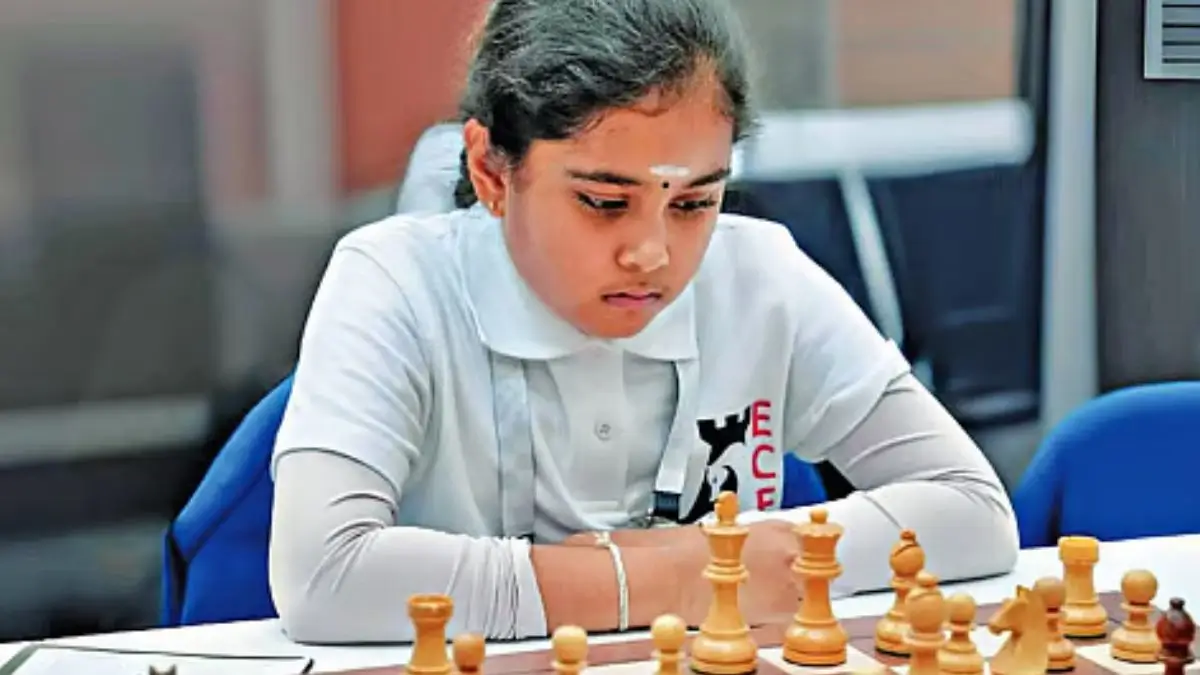
Bodhana Sivanandan, a British chess player who is 11 years old with Indian descent, earned the title of the youngest ever female International Master (IM) on 23rd of October 2026. This was following her earning of the last IM norm after beating Viktoria Johansson of Sweden in the final round at the European Club Cup held in Budva, Montenegro. This development comes at a time when there is increased awareness regarding the title system of FIDE and the difference between open and women’s titles.

How Bodhana Sivanandan Created Chess History

The IM norm was secured by Sivanandan in the European Club Cup in Budva, Montenegro while participating in the match in board one position for She Plays To Win Lionesses A. She won against Swedish woman international master Viktoria Johansson in the final round which was the seventh round and she scored 5.5 points in seven rounds and her performance rating in the tournament was 2,465.

At 11 years, seven months and 16 days, Sivanandan smashed the record set by Hungarian chess prodigy Judit Polgar who became an international master when she was 12 years old in 1988. Sivanandan is now the seventh youngest player overall to reach the norms for becoming an international master.

Definition of the International Master Title

International Master is one of the most common titles granted by the International Federation of Chess, whose acronym is FIDE. This title is open, that is, all players regardless of their gender can obtain it. The higher title than the International Master title is the Grandmaster (GM).

The main requirements for the IM title are as follows,

  • Three IM norms: Performance in a tournament that satisfies certain requirements according to the rules of FIDE.
  • FIDE standard rating equal to 2,400 or more: The player should reach the required rating.
  • Eligibility for the tournament: The requirements for the norms depend on opponents’ titles, their ratings, format of the tournament, and many other criteria.

It is important to emphasize that a norm is not a title. A norm is the result of performance needed for the title.

Difference between GM, IM and Women’s Chess Titles

FIDE offers both general titles as well as distinct women’s titles. A woman may earn any one of the two types of titles.

Title Full form Minimum rating requirement*
GM Grandmaster 2,500
IM International Master 2,400
WGM Woman Grandmaster 2,300
WIM Woman International Master 2,200

Indo-Tibetan Border Police (ITBP) Raising Day 2026: History, Roles and Key Facts

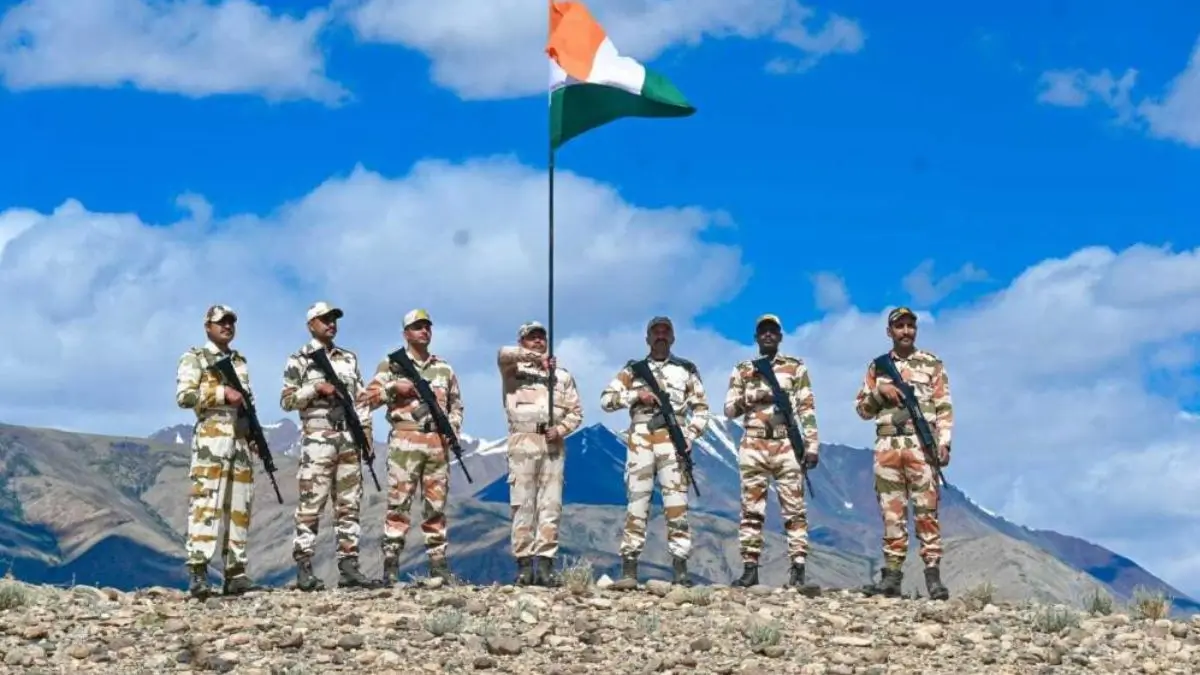
Indo-Tibetan Border Police (ITBP) Raising Day is held annually on 24th October to mark the formation of this force in the year 1962 post the India-China war. Working under the aegis of the Ministry of Home Affairs, ITBP takes care of India’s Himalayan border, with high altitude patrols and emergency operations in the mountains being its mandate. Some other duties of ITBP are disaster rescue, internal security, and community services.

Indo-Tibetan Border Police: Historical Background

The Indo-Tibetan Border Police came into existence on 24 October 1962 after the India-China war, for the purpose of restructuring the frontier intelligence and security setup in the Indo-Tibetan border region. Four battalions were sanctioned initially for this purpose, and the ITBP was set up under the CRPF Act, 1949.

Important years in the evolution of this police force are mentioned below,

  • 1962: ITBP was set up with four battalions.
  • 1975: Its role was redefined for effective border management and prevention of any illegal border activities.
  • 1992: The Indo-Tibetan Border Police Force Act was passed by the Indian Parliament.
  • 1994: Rules under the ITBPF Act were framed.
  • 2004: Under the principle of One Border, One Force, ITBP was assigned responsibility for guarding the entire India-China border, replacing Assam Rifles in Sikkim and Arunachal Pradesh.

Border Guarding by ITBP

ITBP is responsible for protecting around 3,488 km of the India-China border that starts from the Karakoram Pass in Ladakh and ends at Jachep La in Arunachal Pradesh. The border passes through the Union Territory of Ladakh and the states of Himachal Pradesh, Uttarakhand, Sikkim, and Arunachal Pradesh.

Its border outposts are based in some of the harshest conditions in the Himalayas. As per the ITBP official website, many of its posts have an altitude of between 9,000 and 18,800 feet and the temperature may drop to around minus 45°C during winters.

It conducts short and long distance patrols, keeps an eye on border approaches, prevents illegal crossing of the border and transnational crimes, etc.

Functions and Roles of ITBP

1. Border Security

Securing India-China border as well as monitoring sensitive high altitude frontiers.

2. Disaster Management & Relief Operations

Being the first responder in case of any natural disasters in Himalayan regions and conducting relief operations.

3. Mountaineering and Skiing

Training in mountaineering & other specialized skiing techniques.

4. Internal Security

Conducting internal security duties and participating in Left Wing Extremism operations including Chhattisgarh.

Thus, the duties of the ITBP render the organization both a specialized border guarding force as well as an integral part of the internal security and disaster management system of India.

Organization and Motto of ITBP

The ITBP works under the Ministry of Home Affairs (MHA). The official website of the organization states the following force structure consisting of 60 service battalions, 4 specialist battalions, 17 training centers and 7 logistic establishments.

The motto of the force is as follows “Shaurya – Dridhata – Karma Nishtha”

Meaning valour, steadfastness and dedication to duties respectively.

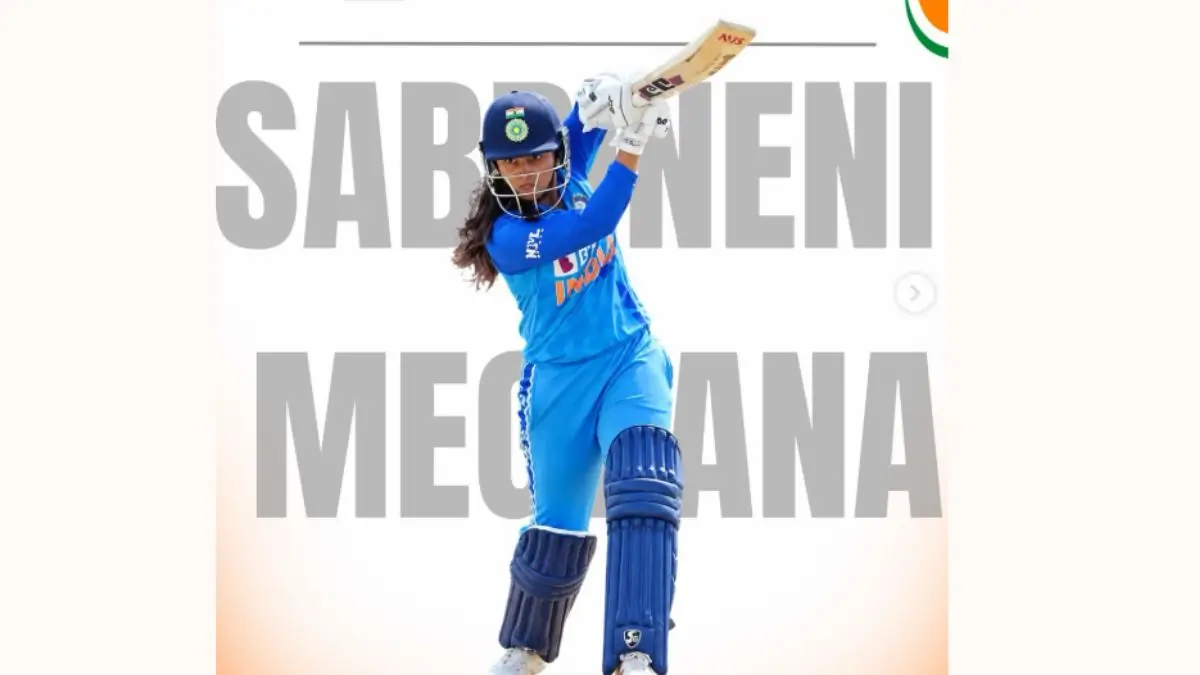
S Meghana Retires from All Formats After India and WPL Career

Sabbhineni Meghana, also popularly referred to as S Meghana, announced her retirement from all formats of the sport at the age of 30 on 23 October 2026. The Indian women’s cricketer participated in 20 white-ball matches for India and participated in the Women’s Premier League (WPL) as a part of Gujarat Giants and Royal Challengers Bengaluru (RCB). She won the WPL with RCB in 2024. Meghana shared a farewell message, in which she thanked everyone for the opportunities she had as a cricketer and expressed her intention to mentor the future women players.

Who Is S Meghana?

Sabbhineni Meghana is an Indian women’s cricketer from the state of Andhra Pradesh, who played as a top-order batter. Her debut in international cricket was a T20I game against West Indies held in November 2016 in Vijayawada.

Though she debuted as a T20 cricketer, she had her ODI debut in February 2022 against New Zealand in Queenstown where she managed to score 49 runs in 50 balls and 61 runs in 41 balls in the next two games.

Her final match for the national team was played in October 2022. Afterward, she went on to play franchise cricket including three seasons in the IPL.

Women’s Premier League – S Meghana

Meghana was also part of the Women’s Premier League tournament and she represented the two franchises in her career.

  • Gujarat Giants: Played for the franchise in the WPL.
  • Royal Challengers Bengaluru: Appeared for RCB in two seasons and was also part of their championship-winning side in 2024.

The Royal Challengers Bengaluru won the 2024 Women’s Premier League tournament after beating the Delhi Capitals in the final. This win marked the first time that the franchise lifted the WPL trophy.

Meghana’s involvement in the championship-winning side became an integral part of her domestic franchise career, although her international career ended in 2022.

What Does S. Meghana Have To Say About Her Retirement?

In her retirement speech, Meghana was thankful for all the experiences, relationships, and opportunities she got through cricket. She further went on to say that her retirement from playing does not mean that she will no longer be connected to the sport.

She said that her relationship with the sport will never fade away and that she intends to give her time and support in developing the next women cricketers.

World Polio Day 2026: Date, Theme, India’s Polio-Free Status and Key Facts

World Polio Day is marked every year on 24 October as an attempt to create awareness about poliomyelitis and help in the eradication of the disease by using vaccination all around the globe. The theme of World Polio Day in 2026 will be “Together, We End Polio,” which stresses the need for collaboration amongst governments, health professionals, communities, and international organizations. While vaccination has led to the eradication of the wild poliovirus from most of the world, there still remain some parts where the virus persists.

What Is Polio?

Polio, also known as poliomyelitis, is a highly contagious viral infection that can lead to paralysis of the affected person. The virus usually infects children under the age of five, but adults who have never received a vaccine can also get it.

The infection spreads mostly by the fecal-oral route through contaminated water and food. Sometimes, the infection affects the nervous system, causing paralysis.

Treatment of polio does not exist; vaccination is the best protection against polio. The vaccine prevents both polio disease and paralysis.

Symptoms of Polio

Most of the poliovirus infections do not have any symptoms. If there are symptoms, they can include,

  • Fever, headache, and tiredness.
  • Pain and stiffness of muscles, especially of the back and limbs.
  • Muscle weakness.
  • Paralysis and breathing problems (in severe cases).

Immediate consultation with a doctor is necessary in case of sudden muscle weakness or paralysis.

Theme of World Polio Day 2026: “Together, We End Polio”

The theme of World Polio Day 2026 is “Together, We End Polio”. It highlights the need for coordinated effort from governments, health care professionals, international bodies, donors and local communities.

The key focuses of this campaign includes the,

  • Ensuring that each child gets their recommended dose of the polio vaccine.
  • Ensuring robust surveillance for the detection of poliovirus infection.
  • Ensuring access to vaccines for children in hard-to-reach communities.
  • Combating misinformation and vaccine hesitancy.
  • Ensuring financial and political commitment towards eradication of the disease.

World Polio Day is observed every year on 24 October, which is the birthday of Jonas Salk, who headed the team that invented the first injectable polio vaccine. The day was started by Rotary International.

Worldwide Polio Status in 2026

The world’s polio eradication program has managed to contain the transmission of wild polioviruses to limited regions only, although polio has not yet been eradicated globally.

At present, Afghanistan and Pakistan are the only two countries with the endemic WPV1. The World Health Organization’s assessment as of August 2026 indicates that the ongoing transmission in both these countries, with the need for the high quality vaccination programs and surveillance being emphasized.

Other issues include circulation of the vaccine-derived poliovirus (cVDPV). Low vaccination rates in certain communities may cause these attenuated viruses, which are used in oral polio vaccines, to persist and mutate genetically until an outbreak occurs.

Polio Eradication from India

The last case of wild polio virus in India occurred on 13 January 2011. The South-East Asia region of the World Health Organization was declared as having stopped transmission of wild polio virus on 27 March 2014 as the conditions were fulfilled. This included India also.

The success of the country in achieving this target came from years of vigorous vaccination drives and surveillance, and community engagement. The Pulse Polio campaign, routine immunization programme, and National Immunization Days have all made significant contributions towards this.

India continues to engage in immunization activities despite the stopping of polio because there is a chance of its re-emergence through international spread of the virus. Therefore, it becomes important to continue the efforts of immunization despite the eradication of wild poliovirus.

United Nations Day 2026: History, Objectives, Six Principal Organs and India’s Role

UN Day is celebrated each year on 24 October in recognition of the date on which the UN Charter came into effect in 1945. This year, it is the 81st anniversary of the organisation, marking over eight decades of collaboration across the world on issues related to peace and security, human rights, development, and humanitarian aid. The organisation was formed after the Second World War and offers a forum to nations to collaborate on common problems through diplomacy and multilateralism.

Why Does the United Nations Celebrate United Nations Day on 24 October?

The United Nations is an intergovernmental organisation created in the aftermath of the Second World War, where many countries were left destroyed and where a previous arrangement for collective security proved to be insufficient.

The charter of the United Nations was signed by representatives of 50 countries on 26 June 1945 at the United Nations Conference on International Organisation held in San Francisco, United States. Poland became the 51st signatory of the Charter at a later date. The Charter came into effect on 24 October 1945, having been ratified by the five permanent members of the Security Council and a majority of other signatories.

United Nations Day has been celebrated annually since 1948 and was officially established by the United Nations General Assembly in 1947.

What is the United Nations?

The United Nations is an international organisation that was founded with the purpose of promoting international peace and security, developing friendly relations among nations, promoting human rights and coordinating actions on issues of economics, social problems, humanitarian problems and the environment.

The founding charter of the UN is the UN Charter, which defines the main purposes, principles and organisational structure of the organisation and the obligations of the member countries. The Charter recognises the sovereignty of the states and bans any threats or use of force against the territory or political independence of a state, but subject to the Charter’s provisions.

The United Nations is the organisation where the diplomatic negotiations take place, humanitarian assistance is coordinated and global problems are addressed. Nevertheless, it cannot be considered as a world government because its power and efficiency are determined by its Charter and other factors.

Objectives of the United Nations

1. Maintenance of the international peace and security

Maintaining peace and addressing the any kind of threats to the international peace and security is one of the main UN objectives. It mediates diplomatically and implements peacekeeping missions when necessary. The UN also provides means of settling international disputes.

2. Promotion of human rights

Equality, dignity, and human rights are promoted through the United Nations. An important achievement in this area was the approval of the Universal Declaration of Human Rights (UDHR) by the General Assembly on 10 December 1948.

3. Assistance in sustainable development

The UN works towards solving issues such as poverty, hunger, inequality, healthcare, education, and environmental problems. On 25 September 2015, member states approved the 2030 Agenda for Sustainable Development containing 17 SDGs.

4. Provision of humanitarian aid

Various UN agencies and partner organisations help people suffering from armed conflicts, natural disasters, displacement, food insecurity and health crises. They provide emergency aid, food aid, refugee protection, health care, and help to children.

5. International cooperation

Issues of climate change, pandemics, forced migrations, and international crimes necessitate international cooperation. The UN provides a forum for information exchange, negotiations, treaties and other actions.

Six Principal Organs of the United Nations

The UN Charter establishes the total six principal organs and each organ holds a distinct role in international cooperation and governance.

Principal organ  Major function
General Assembly  Provides a forum for all member states to discuss international issues and make recommendations
Security Council Has primary responsibility for international peace and security
Economic and Social Council (ECOSOC) Coordinates work on economic, social and related development issues
International Court of Justice (ICJ) Settles legal disputes between states within its jurisdiction and provides advisory opinions
Secretariat Conducts the organisation’s day-to-day administrative and operational work
Trusteeship Council Supervised trust territories; suspended regular operations in 1994 after completing its mission

The General Assembly includes all 193 UN member states. The Security Council has 15 members: five permanent members and 10 elected members serving two-year terms.

The permanent members are China, France, Russia, the United Kingdom and the United States. They hold veto power over substantive resolutions.

India and the United Nations

India is one of the 51 founding member states of the United Nations. India has been active in participating in various international dialogues involving decolonisation, disarmament, development, peacekeeping, and international governance.

India has also provided its own personnel in United Nations peacekeeping operations. In addition, it advocates for reform in the United Nations Security Council since it views the current arrangement in the Council as not representing the new world order adequately, especially in terms of the developing countries and other continents such as Africa.

India has engaged the United Nations in matters of sustainable development, climate change, health, counter-terrorism, and international peace and security.

Punjab Launches SANGAT Mental Health Clubs in 40 Colleges

The Punjab government reportedly launched SANGAT Mental Health Clubs in 40 colleges on 22 October 2026. The initiative aims to improve youth wellbeing, encourage early intervention and help prevent substance abuse among young people.

The programme is part of Punjab’s “Yudh Nashean Virudh” (War Against Drugs) campaign. It is led by the Department of Higher Education in partnership with the Aditya Birla Education Trust (ABET) and Mpower.

Key Highlights

  • State: Punjab
  • Programme: SANGAT Mental Health Clubs
  • Launch date: 22 October 2026
  • Coverage: 40 colleges
  • Training: 14-hour Youth Mental Health First Aid (YMHFA) course
  • Students per college: 25
  • Total planned student places: 1,000
  • Launch venue: Plaksha University, Mohali
  • Campaign: Yudh Nashean Virudh — “War Against Drugs”

Youth Mental Health and Early Intervention

Under the programme, each participating college is scheduled to train 25 students through a 14-hour Youth Mental Health First Aid course. Participants will receive certification and learn to recognise signs of emotional distress and provide initial peer support.

The clubs will also organise campus activities to encourage open discussions about emotional wellbeing and discourage substance use.

What Is Mental Health First Aid?

Mental health first aid involves recognising signs of emotional distress and offering initial, supportive assistance. It is not a substitute for professional diagnosis or treatment by qualified mental-health practitioners.

Key elements include:

  1. Recognising possible signs of distress.
  2. Offering respectful, non-judgmental initial support.
  3. Encouraging access to appropriate professional services.
  4. Promoting awareness and reducing stigma around seeking help.

Programme Structure and Training

Particular Details
Participating colleges 40
Planned students per college 25
Total planned student places 1,000
Course Youth Mental Health First Aid (YMHFA)
Course duration 14 hours
Main objectives Youth wellbeing, early intervention and substance-abuse prevention

Launch Event and Earlier Training

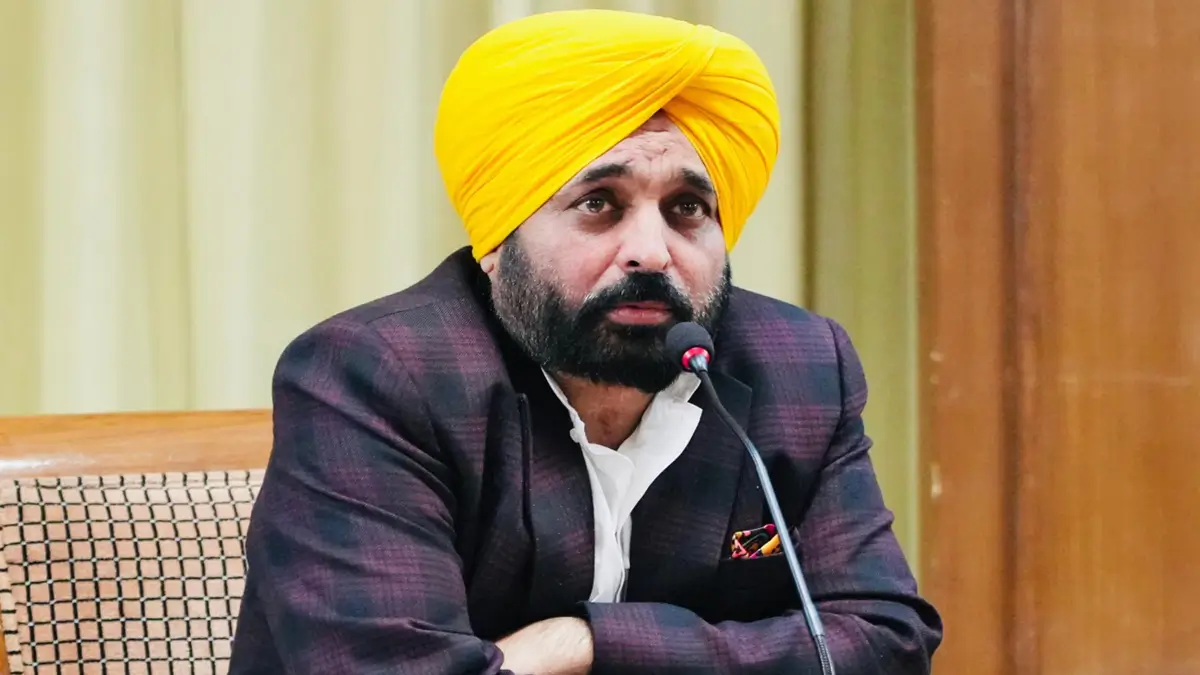
The launch event was held at Plaksha University in Mohali. According to the supplied report, Punjab Chief Minister Bhagwant Mann, Education Minister Harjot Singh Bains and former Delhi Deputy Chief Minister Manish Sisodia interacted with student participants.

Before the statewide launch, Punjabi University in Patiala began a three-day Youth Mental Health and Psychological First Aid Training for SANGAT club members on 29 September 2026.

Punjab’s Earlier Drug-Prevention Measures

The SANGAT initiative complements other education-sector measures aimed at preventing substance abuse.

Measure Reported details
College teacher training 146 college teachers trained as drug-prevention nodal officers in December 2025
School anti-drug curriculum A 14-week curriculum implemented in 3,600 government secondary schools by October 2025
Student reach More than 750,000 students covered by the school-level curriculum, according to the supplied report

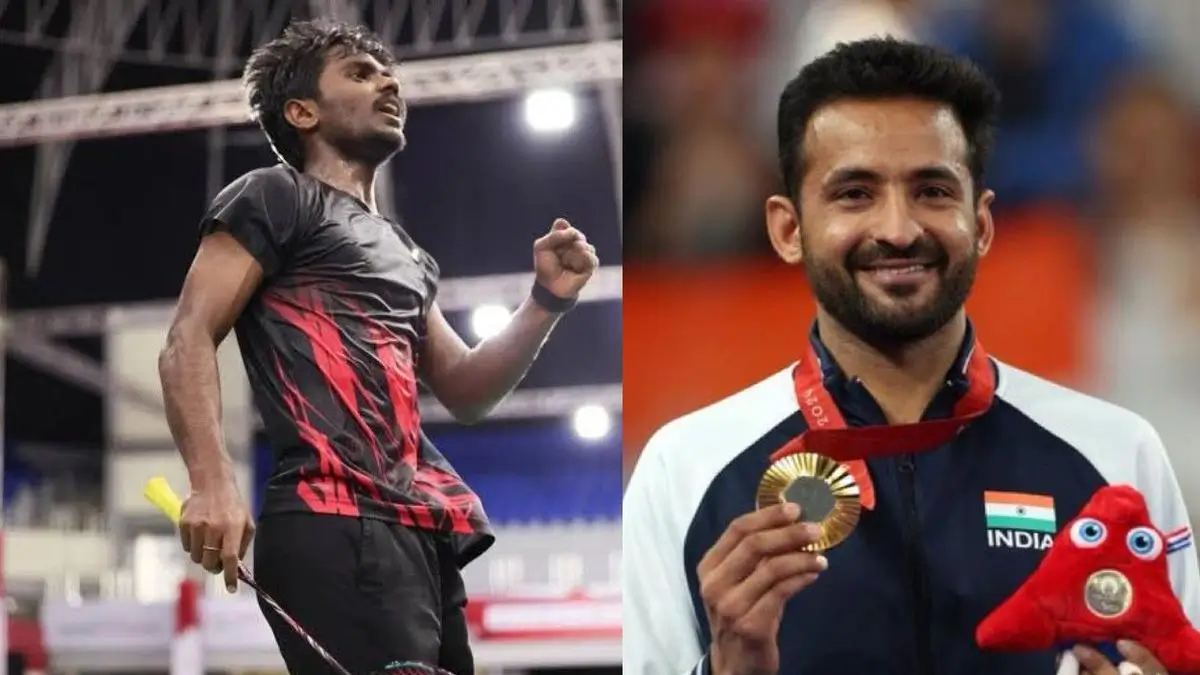
Nitesh Kumar and Naveen Sivakumar Win Para-Badminton Gold

Indian para-badminton players Nitesh Kumar and Naveen Sivakumar reportedly won men’s singles gold medals at the 2026 Asian Para Games in Nagoya, Japan, on 23 October 2026.

Kumar defeated fellow Indian player Pramod Bhagat in the SL3 final, winning 21–18, 21–16. Sivakumar beat Indonesia’s Fredy Setiawan in the SL4 final, winning 21–9, 21–17.

Key Highlights

  • Nitesh Kumar: Men’s singles SL3 gold medal.
  • Naveen Sivakumar: Men’s singles SL4 gold medal.
  • Pramod Bhagat: Silver medal in the reported SL3 final.
  • Thulasimathi Murugesan: Women’s singles SU5 silver medal, according to the supplied report.
  • Nithya Sre Sumathy Sivan: Women’s singles SH6 silver medal, according to the supplied report.
  • Host location: Aichi-Nagoya, Japan.
  • Date of reported results: 23 October 2026.

Para-Badminton Classification System

Para-badminton uses six sport classes based on athletes’ impairments and their effect on movement and play.

Class Category Important fact
WH1 Wheelchair Wheelchair sport class
WH2 Wheelchair Wheelchair sport class
SL3 Standing; lower-limb impairment Players compete on half a standard court
SL4 Standing; lower-limb impairment Players compete on a full court
SU5 Upper-limb impairment A separate sport class
SH6 Short stature A separate sport class

Remember: SL3 and SL4 are standing classes. WH1 and WH2 are wheelchair classes. SU5 and SH6 are separate categories, not subdivisions of SL.

About the Asian Para Games

The Asian Para Games is a multi-sport event for athletes with disabilities from across Asia. It is organised by the Asian Paralympic Committee.

The 2026 edition is being held in Aichi-Nagoya, Japan, according to the supplied report. Para-badminton made its Paralympic debut at the Tokyo 2020 Paralympic Games, which were held in 2021.

The Badminton World Federation (BWF) governs international badminton.

India’s Reported Medal Tally

As of 23 October 2026, India’s reported tally was 98 medals, comprising 24 gold, 32 silver and 42 bronze. India was reported to be fourth in the overall standings.

Medal Count
Gold 24
Silver 32
Bronze 42
Total 98
_12.1
October 2026
M T W T F S S
 1234
567891011
12131415161718
19202122232425
262728293031