
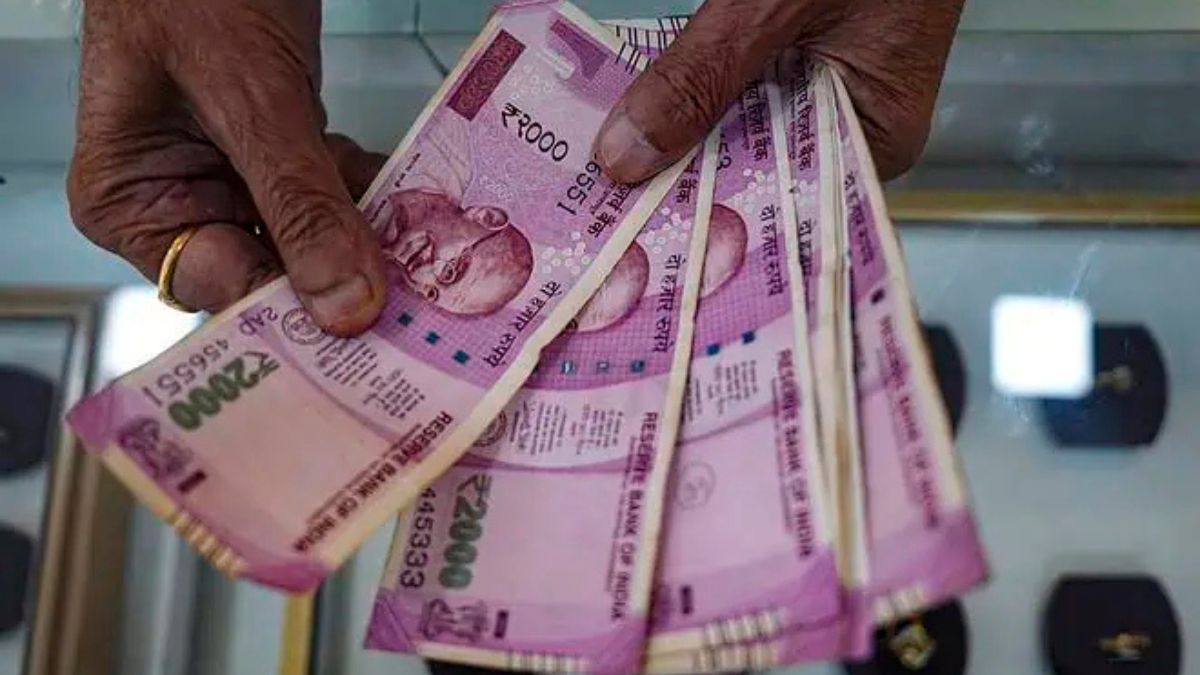
On Thursday, July 4, 2025, the liquidity surplus in India’s banking system jumped to over ₹4 trillion, the highest in more than two years. This was mainly due to increased government spending and a large surplus transfer by the Reserve Bank of India (RBI). The RBI also received a strong response to its seven-day Variable Rate Reverse Repo (VRRR) auction, showing banks’ interest in short-term operations. This news is important as it affects lending, borrowing, and interest rates in the country.
Bank Liquidity at 2-Year High
The banking system’s liquidity surplus—the extra money banks keep with the RBI—rose to ₹4.04 trillion on Thursday, the highest since May 19, 2022. This increase came mainly from higher government spending and a record ₹2.69 trillion surplus transfer made by the RBI in May 2025. With more cash in hand, banks are in a stronger position to offer loans at better rates.
VRRR Auction Sees Strong Demand
On the same day, the RBI held a 7-day VRRR auction, a tool used to remove excess money from the banking system. The auction received bids worth ₹1.7 trillion, though the RBI had announced it would take in ₹1 trillion. It accepted bids up to that amount at a cut-off rate of 5.47%. Experts believe that banks prefer these short-term options as they help manage liquidity more smoothly.
CRR Cut Injects More Cash
Earlier, the RBI had reduced the Cash Reserve Ratio (CRR) by 0.50%, injecting around ₹1.16 trillion into the system. The CRR is the portion of a bank’s deposits that must be kept with the RBI. A lower CRR means banks can use more of their money for lending, which may reduce borrowing costs for businesses and people. This move is expected to support credit growth in the coming months.


 India Records All-Time High UPI Transact...
 New ATM Rules in India 2026: Daily Limit...
 RBI Tightens Forex Market Controls With ...











