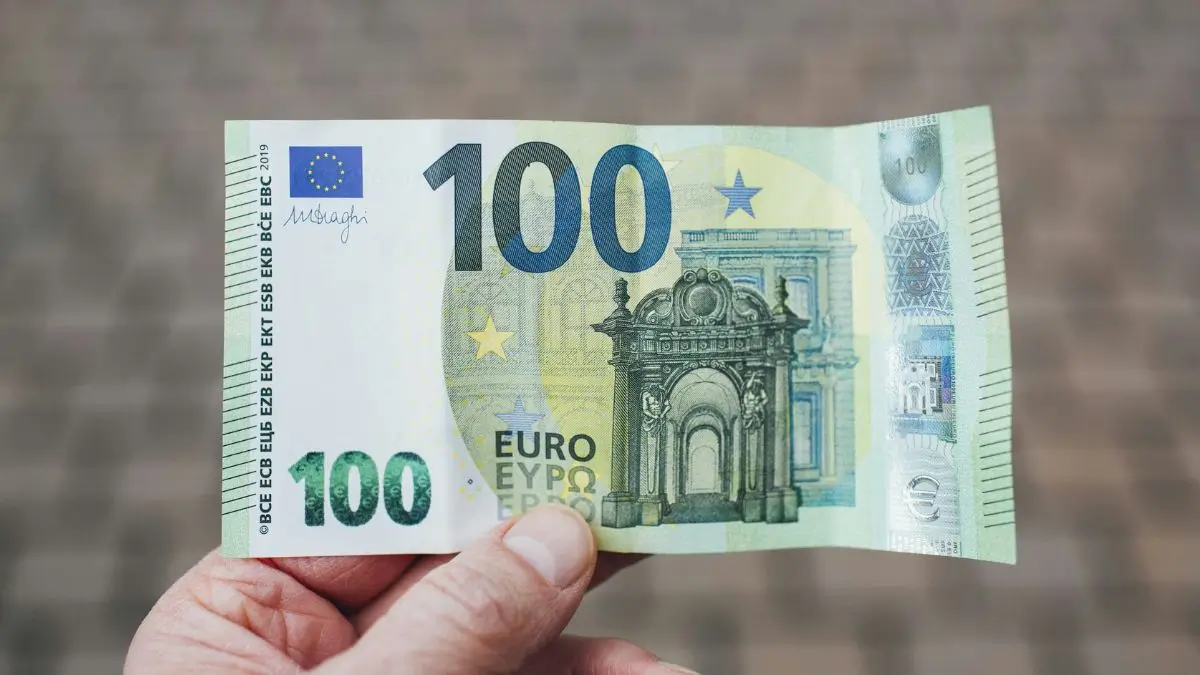
Bulgaria has taken a historic economic step by adopting the euro as its official currency. This move places the country firmly within Europe’s economic mainstream after years of preparation. While many urban and younger Bulgarians see the change as progress, others fear rising prices and loss of national identity. The transition reflects both opportunity and challenge for the country.
Why in the News?
Bulgaria has officially replaced its national currency, the lev, with the euro, becoming the 21st member of the eurozone. The move follows years of economic reforms and EU integration, despite political instability and public division over the new currency.
Background: Bulgaria and the Euro
- The Bulgarian lev has been the national currency since 1881.
- Since 1997, the lev has been pegged to major European currencies, first the Deutschmark and later the euro.
- Bulgaria joined NATO and the European Union, then the Schengen Area, before adopting the euro.
- The country has a population of about 6.5 million, making it one of the EU’s poorest members.
How the Transition Is Being Done
- Shops have displayed prices in both lev and euro since August.
- During January, people can pay using either currency, but change is given in euros.
- From 1 February, payments in lev will no longer be allowed.
- Coins and small euro notes have already been distributed to businesses.
Public Opinion and Political Challenges
- Opinion polls show Bulgarians are almost evenly divided on euro adoption.
- Many older and rural citizens fear price rises and loss of control.
- A proposed referendum on the euro by President Rumen Radev was rejected by the government.
- Bulgaria has seen seven elections in four years, and political instability continues.
Economic Significance of the Euro
- Easier trade and investment with eurozone countries.
- Reduced currency exchange costs for businesses and citizens.
- Benefits for the 1.2 million Bulgarians living abroad, who already send money home in euros.
- Greater financial integration with the Eurozone.
What Is the Eurozone?
- The eurozone is a group of EU countries that use the euro as their official currency.
- Members follow common monetary policies led by the European Central Bank. Joining the eurozone requires strict criteria on inflation, debt, fiscal discipline, and currency stability.
Key Summary At Glance
| Aspect | Details |
| Why in News? | Bulgaria adopts the euro |
| New Status | 21st eurozone member |
| Old Currency | Bulgarian lev |
| Transition Period | January (dual payment) |
| Full Euro Use | From 1 February |
| Key Benefit | Trade and financial integration |
Question
Q. Which currency has Bulgaria replaced with the euro?
A. Zloty
B. Forint
C. Lev
D. Kuna


 UK Sets Strict Screen Time Rules for Kid...
 Japan's 275 kmph Cargo Bullet Train: Wor...
 Balendra Shah Sworn In As Nepal’s Younge...