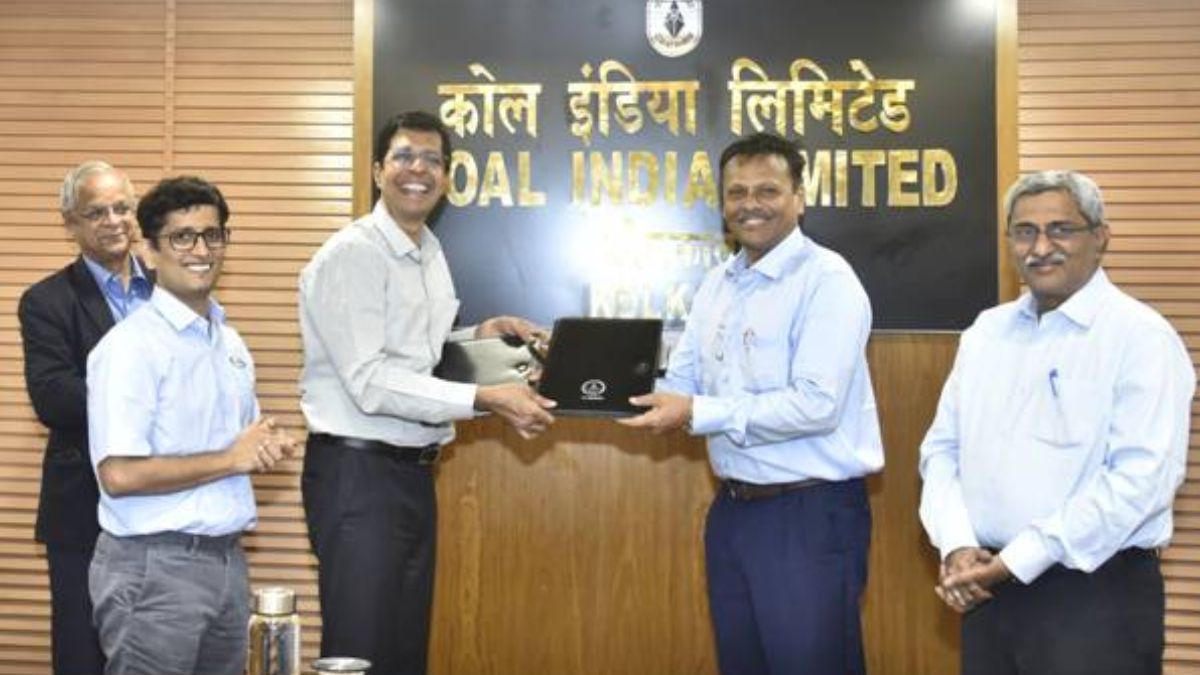
In a landmark collaboration, Coal India Limited (CIL) has signed a Memorandum of Understanding (MoU) with IIT Madras to set up a Centre for Sustainable Energy. This initiative aims to propel India’s clean energy transition by focusing on cutting-edge research and development in low-carbon technologies, mine repurposing, and green innovations. The MoU was formally signed in the presence of senior officials from both institutions, marking a major step toward integrating academic expertise with industrial transformation.
Objectives of the Centre
The upcoming Centre for Sustainable Energy will be a hub of innovation and sustainability-focused research. Its core objectives include,
- Developing low-carbon technologies to reduce environmental impact
- Repurposing coal mines for renewable energy use and ecological restoration
- Creating indigenous solutions to ensure India’s energy security while supporting decarbonization
- Promoting clean energy diversification within Coal India’s operational strategy
This initiative signals Coal India’s intent to transition from a conventional energy provider to a key stakeholder in India’s green energy future.
Strategic Significance for Coal India
- Coal India, the world’s largest coal-producing company, has traditionally been associated with fossil fuels. However, with growing global and domestic pressure to mitigate climate change, the company is now aligning its operations with India’s broader sustainability goals.
- CIL Chairman P. M. Prasad emphasized that this partnership demonstrates Coal India’s proactive role in developing indigenous clean technologies. He noted that such collaborations are crucial for ensuring energy security while navigating the global shift towards low-emission energy systems.
IIT Madras’ Role and Vision
Under the leadership of Director Prof. V. Kamakoti, IIT Madras will provide the academic and technical foundation for this project. The institute will leverage its expertise in engineering, energy systems, and data science to develop scalable solutions for,
- Renewable integration in mining
- Clean fuels and storage technologies
- Green hydrogen pathways
- Emission reduction frameworks
Prof. Kamakoti highlighted the critical role of industry-academia collaborations in advancing India’s climate commitments under the Paris Agreement and Nationally Determined Contributions (NDCs).
Human Capital and Research Focus
One of the Centre’s key pillars is human capital development. It will offer,
- Ph.D. and postdoctoral programs focused on sustainable energy
- Internships and training for engineering and science students
- Collaborative research opportunities for young scholars
- This initiative will help create a skilled workforce that can lead India’s clean energy transformation over the coming decades.


 What the NPC-MoEFCC Agreement Means for ...
 IIT Bombay & Honeywell Launch Sustai...
 Indian Army and Ladakh Forest Department...