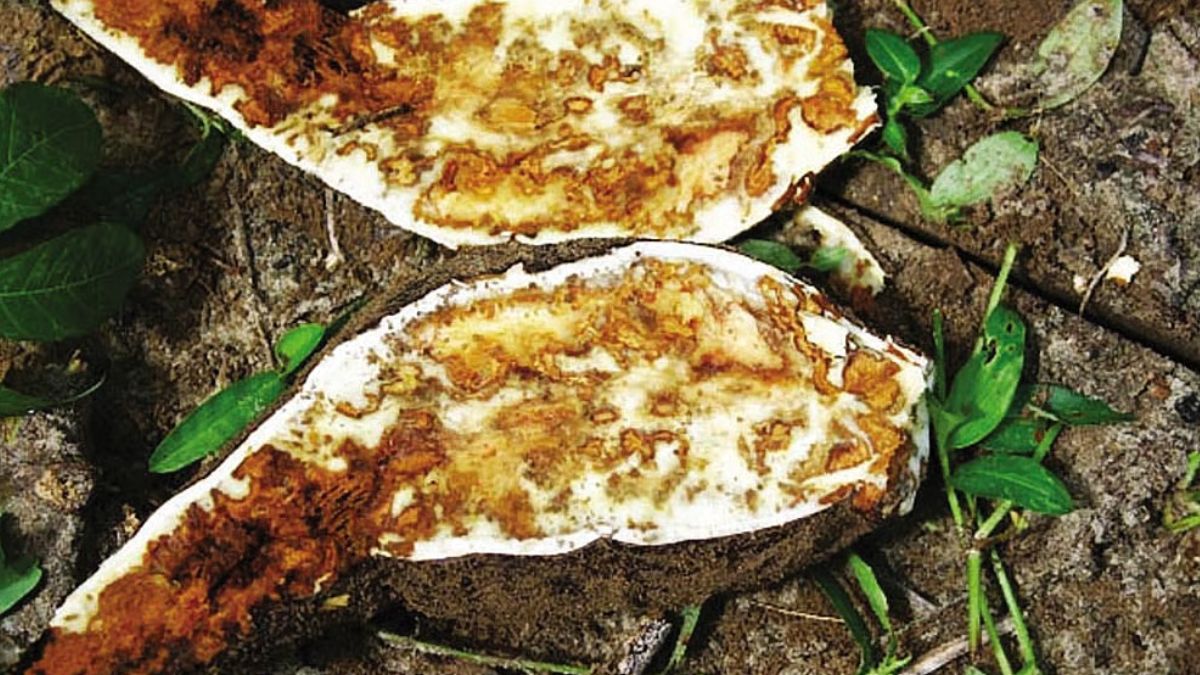
A deadly plant disease known as Cassava Brown Streak Disease (CBSD) is threatening one of Africa’s most important staple crops. This disease attacks cassava roots, causing severe rot and potentially destroying entire harvests. Cassava is widely grown across sub Saharan Africa because it can survive drought and poor soils, making it a critical food security crop for millions of families. Scientists now warn that the rapid spread of CBSD could undermine this resilience and worsen food insecurity across the continent.
What Is Cassava Brown Streak Disease?
Cassava Brown Streak Disease (CBSD) is a viral disease that infects cassava plants and causes necrosis (rot) in the roots.
Key Characteristics of the Disease
- Causes brown rot inside cassava roots
- Often not visible until harvest
- Leads to severe yield losses or total crop failure
- Affects both food supply and farmer income
Because symptoms often appear late, farmers may unknowingly harvest infected crops, worsening economic losses.
Vast Areas of Africa at Risk
A recent study published in the East African Journal of Science, Technology and Innovation highlights the scale of the threat.
Key Findings
- 54.6% of Africa’s landmass (about 16.2 million sq km) is suitable for cassava cultivation.
- 33.7% of the continent (around 10.2 million sq km) is at risk of CBSD spread.
- The disease was historically limited to coastal regions of Tanzania and Mozambique, but it has now expanded into parts of East and Central Africa.
- Scientists fear it could spread further west into major cassava-producing countries like Nigeria and Ghana.
Whiteflies: The Main Driver of Disease Spread
- The virus is mainly transmitted by a tiny insect pest known as the whitefly and they scientifically called Bemisia tabaci.
- Researchers say certain whitefly populations in Africa are extremely effective at spreading the virus.
Why Whiteflies Are Dangerous
- Large population densities in East and Central Africa
- Increased spread due to climate change and intensive farming
- Rapid transmission between cassava plants
- The virus spreads when farmers plant infected cassava cuttings from previous harvests.
Climate Change and Agricultural Practices
- Climate change is also influencing the spread of CBSD.
- Warmer temperatures and changing rainfall patterns can:
- Increase cassava cultivation zones
- Expand whitefly populations
- Facilitate virus transmission to new areas
However, scientists note that movement of infected planting materials through informal trade remains the biggest driver of outbreaks.
Measures to Protect Cassava Crops
- Strengthening clean seed systems
- Distributing virus free planting material through tissue culture
- Developing disease-resistant cassava varieties
- Monitoring farms through early surveillance systems
- Controlling whiteflies through integrated pest management
- These measures could help protect one of Africa’s most important food crops.
Question
Q. Cassava Brown Streak Disease mainly affects which part of the plant?
A) Leaves
B) Roots
C) Flowers
D) Seeds


 US Dollar to Feature Donald Trump’s Sign...
 Strait of Hormuz Crisis: 22-Nation Coali...
 Cuba Blackout 2026: Causes, Impact &...