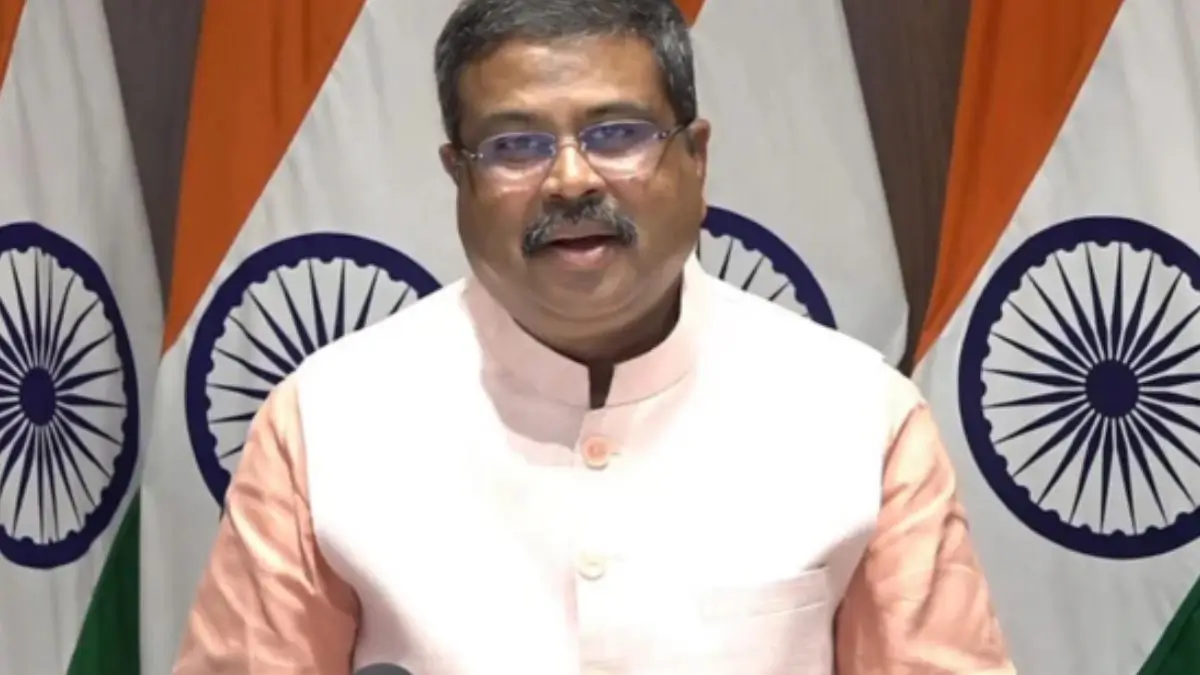
India is taking another step to preserve and promote its classical language heritage. Union Education Minister Dharmendra Pradhan will release 41 newly developed literary works prepared by Centres of Excellence for classical languages. The initiative reflects the government’s focus on making ancient knowledge accessible to modern learners through inclusive and innovative formats.
Why in the News?
Union Education Minister Dharmendra Pradhan is set to release 41 literary works developed by Centres of Excellence for Classical Kannada, Telugu, Malayalam and Odia, along with Tirukkural books and a sign language series in New Delhi.
What Is Being Released?
- The event showcases new scholarly and inclusive literary outputs.
- A total of 41 literary works developed by Centres of Excellence.
- Languages covered include Classical Kannada, Telugu, Malayalam and Odia.
- These works focus on preserving ancient texts and traditions.
- The publications aim to support research, education and language learning.
- They are designed for both scholars and general readers.
Role of the Central Institute of Indian Languages (CIIL)
- CIIL plays a central role in developing classical language resources.
- The works are developed under the Central Institute of Indian Languages.
- CIIL works to promote linguistic diversity and multilingual education.
- It supports research, documentation and teaching of Indian languages.
- The institute coordinates Centres of Excellence across classical languages.
- Its efforts strengthen language-based cultural preservation.
Tirukkural and Sign Language Initiative
- Classical wisdom is being made more inclusive.
- 13 books on the Tirukkural will also be released.
- A 45-episode Sign Language interpretation series accompanies the texts.
- This work is developed by the Central Institute of Classical Tamil.
- The initiative improves access for persons with hearing disabilities.
- It blends tradition with modern inclusive communication tools.
Significance of the Initiative
- The programme strengthens cultural continuity and inclusiveness.
- Promotes awareness of India’s classical literary heritage.
- Encourages young learners to engage with ancient texts.
- Supports inclusive education through sign language resources.
- Reinforces India’s multilingual and multicultural identity.
- Aligns with national goals of cultural preservation and innovation.
What Are Classical Languages in India?
- Classical languages are officially recognized for their ancient origins.
- They have rich literary traditions spanning centuries.
- India has Eleven classical languages, including Malayalam, Telugu, Tamil, Kannada, Sanskrit, Odia, Marathi, Assamese, Pali, Prakrit and Marathi.
- Dedicated institutions support their study and promotion.
- These languages form the foundation of India’s cultural heritage.
Key Summary at a Glance
| Aspect | Details |
| Why in News? | Release of 41 classical language literary works |
| Minister Involved | Dharmendra Pradhan |
| Institutions | CIIL, Central Institute of Classical Tamil |
| Languages Covered | Kannada, Telugu, Malayalam, Odia, Tamil |
| Special Feature | Tirukkural sign language series |
| Objective | Preserve and promote classical heritage |
Question
Q. The literary works released by Dharmendra Pradhan are developed under which institute?
A. Sahitya Akademi
B. Central Institute of Indian Languages
C. NCERT
D. Archaeological Survey of India


 FCI Signs Landmark MoU with WFP to Suppl...
 How Two Engineers Built Sarvam AI from a...
 Gender Budgeting In India Jumps 11.55%: ...