
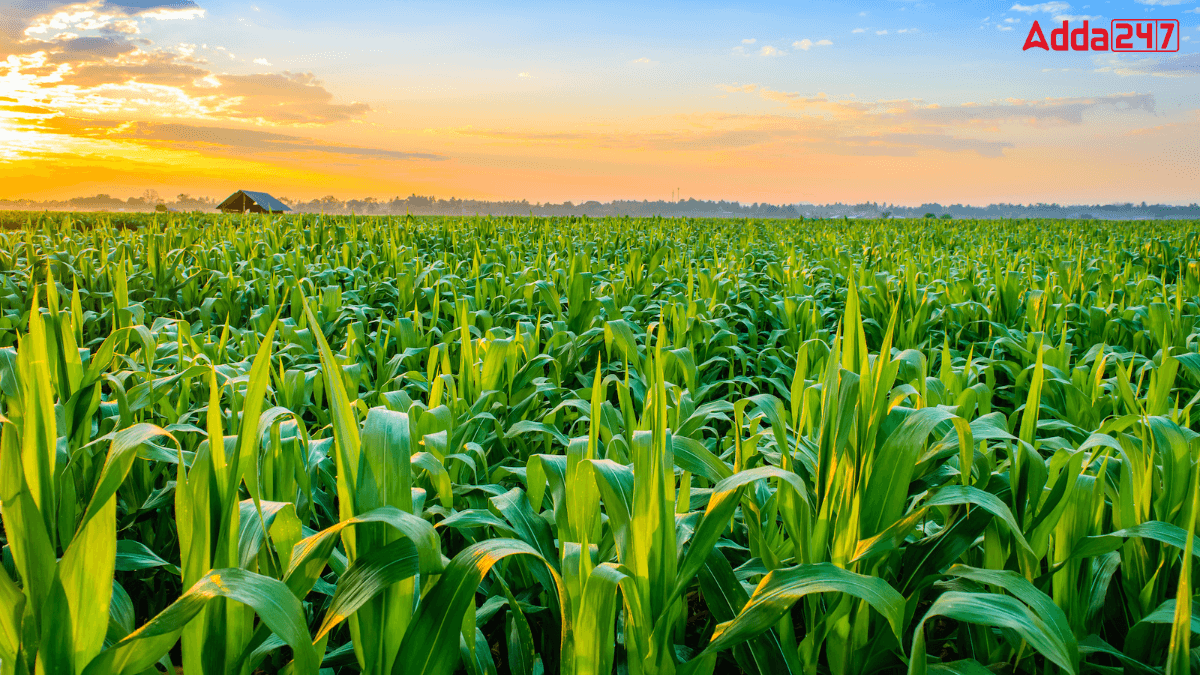
Crops are plants that farmers grow for different needs, mostly to provide food or to earn money. They are grouped into two main types: food crops and cash crops. Food crops are grown to feed people, while cash crops are mainly grown to sell in markets for income. Knowing the difference between these two types helps us understand their role in farming and our daily lives.
What are Crops?
Crops are plants grown by farmers to provide food, raw materials or other useful products. They are cultivated in fields and can include grains like rice and wheat, fruits, vegetables and even plants like cotton or sugarcane. Crops are essential for feeding people and animals, supporting industries and driving economies around the world. They are a key part of agriculture.
What are Food Crops?
Food crops are grown to meet the daily food needs of people. They are essential for providing nutrition and ensuring food security for local populations. These crops include staples like rice, wheat and maize, as well as fruits and vegetables. Farmers grow crops primarily for personal consumption or to supply local markets.
Examples of food crops: wheat, rice, maize, pulses and millets.
What are Cash Crops?
Cash crops are grown for profit. They are sold in markets rather than consumed directly by the farmers for local communities. Common examples of cash crops include cotton, coffee, sugarcane and tobacco. These crops are often cultivated on a large scale to meet national and global market demands.
Examples of cash crops: Cotton, tea, coffee, sugarcane and jute.
Difference Between Food Crops and Cash Crops
Food crops are grown to feed people and animals, ensuring daily sustenance, while cash crops are cultivated to sell for profit, focusing on trade and economic gain.
Check the difference between the food crops and the cash crops:
| Basis of Difference | Food Crops | Cash Crops |
| Main purpose | To feed farmers and communities | To make money by selling in markets. |
| Market focus | Grown for local markets. | Grown for both local and global markets. |
| Farming methods | Simple methods to meet domestic needs. | Advanced methods to increase output. |
| Risk involved | Low risks as production is small. | High risks like price changes and land degradation. |
| Productivity focus | Less focus on productivity. | More focus on productivity for profits. |
| Capital requirement | Requires less capital to start. | Needs a lot of capital to start. |
Importance of Balance
Maintaining a balance between cash crops and food crops is important for sustainable agriculture. While food crops ensure people have enough to eat, cash crops support economic growth. A healthy mix of both allows farmers to earn a stable income while contributing to local and global food security.


 Who were the Seven Sisters of Petroleum?...
 What is the State Flower of Florida? Che...
 Which is the Largest Desert in Asia? Che...











