
Diwali, also known as Deepawali, is one of India’s most widely celebrated festivals. Known as the Festival of Lights, it symbolises the victory of light over darkness, good over evil and knowledge over ignorance. In 2026, Diwali will be celebrated on 8 November (Sunday), corresponding to Kartika Amavasya in the Hindu lunar calendar. Beyond its religious significance, the festival represents India’s cultural diversity, social harmony and traditional practices. In 2025, Deepavali was inscribed on UNESCO’s Representative List of the Intangible Cultural Heritage of Humanity.
Why Is Diwali Celebrated?
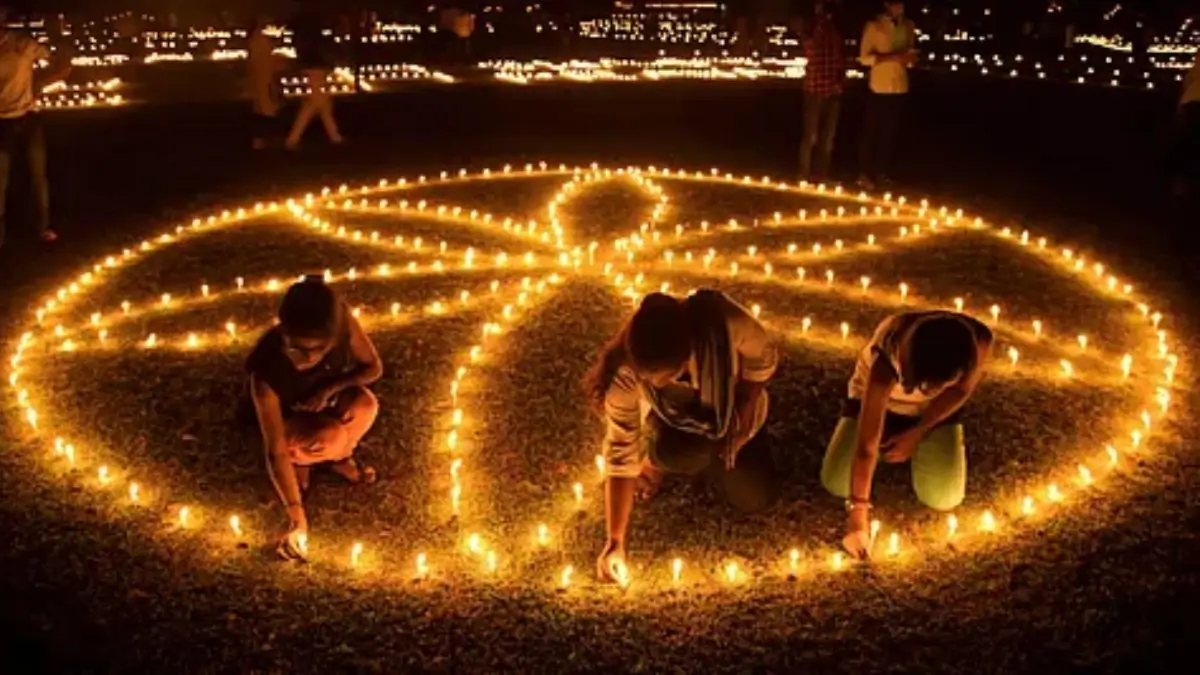
The word Deepawali is derived from two Sanskrit words: Deepa, meaning lamp or light, and Avali, meaning a row or series. Thus, Deepawali literally means a row of lamps.
The festival has different religious, historical and cultural associations across India.
1. Return of Lord Rama to Ayodhya
- According to the Ramayana tradition, Diwali commemorates the return of Lord Rama, Goddess Sita and Lakshmana to Ayodhya after 14 years of exile and the defeat of Ravana. People are believed to have illuminated the city with earthen lamps to welcome them.
2. Victory over Narakasura
- Diwali is also associated with Lord Krishna defeating the demon Narakasura
- In many Hindu traditions. Thus representing the triumph of good over evil.
3. Worship of Goddess Lakshmi
- Many households in Hinduism will worship Goddess Lakshmi (goddess of wealth and prosperity) and Lord Ganesha (god of wisdom and good beginnings) on the main night of Diwali.
4. Significance in Jainism
- For Jains, Diwali marks the nirvana or liberation of Lord Mahavira, the 24th Tirthankara, at Pavapuri in Bihar. It is an important spiritual occasion in Jain tradition.
5. Significance in Sikhism
- Diwali coincides with the Sikh observance of Bandi Chhor Divas, which commemorates the release of Guru Hargobind Sahib from Mughal imprisonment along with 52 princes. The occasion represents freedom, justice and the triumph of righteousness.
Five Days of Diwali Celebrations
Diwali is generally celebrated over 5 days with each day having its own tradition and meaning.
| Day | Festival | Meaning |
| 1 | Dhanteras | Offering prayers to wealth and prosperity. Buying new metals and utensils. |
| 2 | Naraka Chaturdashi/Chhoti | Diwali Relates to Lord Krishna defeating Narakasura. |
| 3 | Lakshmi Puja/Diwali | Offering prayers to Goddess Lakshmi and Lord Ganesha. Lighting of diyas. |
| 4 | Govardhan Puja/Annakut | Relates to Lord Krishna lifting Govardhan Hill. |
| 5 | Bhai Dooj | A celebration of the bond between brothers and sisters. |
Note: The order and names may vary depending on the region.
Deepavali Inscribed in UNESCO’s Intangible Cultural Heritage List (2025)
Deepavali has been inscribed on the Representative List of the Intangible Cultural Heritage of Humanity by UNESCO in 2025 at the 20th Session of the Intergovernmental Committee for the Safeguarding of the Intangible Cultural Heritage (20.COM)
The decision was announced on 10 December 2025 at the Red Fort, New Delhi. The committee was held for the first time in India. This was prepared by Sangeet Natak Akademi, on behalf of the Ministry of Culture, Government of India. 67 nominations were evaluated.
According to UNESCO, Deepavali is a living cultural tradition. People and communities celebrate Deepavali through lighting of lamps, decorating their homes and public places, gift-giving, eating sweets, sharing food, prayers and taking part in cultural activities.
Why it is important to Have recognition from UNESCO?
It demonstrates that it is important to protect living traditions, rituals, customs and traditional knowledge.
It recognises the variety of traditions that are associated with Deepavali across different regions and communities.
Traditions are passed down through families, temples, schools and cultural groups.
Recognition gives global awareness to India’s culture.
It helps bond communities.
This is recognition for Intangible Cultural Heritage, not a physical landmark or World Heritage Site.
Diwali Celebrations in Different Parts of India
The celebration of Diwali has varied across the country due to the diversity of the regions within India.
Region/State Wise Significant Connection
- North India: Lord Rama returning to Ayodhya.
- South parts of India: Naraka Chaturdashi – defeating Narakasura.
- Gujarat: Gujarati New Year, starting a new financial year for many businesses within Gujarat.
- West Bengal: Kali Puja.
- Maharashtra: Five day traditional celebration with local rituals.
This shows how culturally diverse India can be.
Economic Importance of Diwali
During Diwali there are many industries and traditional jobs that benefit from it being such an important time for the economy.
- More demand for goods: Clothing, Jewellery, Electronics, Sweets, Gifts and Household items.
- MSME: Small businesses, Artists, Potters, Handicraft creators and Local sellers will benefit.
- More jobs created: Retail businesses, Logistics, Transport, Packaging and Hospitality will receive extra business during this time.
- Traditional Industries: Sales of clay lamps, Decor items, Textiles and Handicrafts will help traditional jobs.
- Online Businesses: E-commerce platforms, Online Payments and Online Marketplaces will have more business during this time.
It can encourage us to promote local produce due to the concept of Vocal for Local.


 Deepavali 2026: Know Why the Festival of...
 India’s First Bharat-Made Bullet Train...
 Top 10 Museums in the World 2026: Full L...