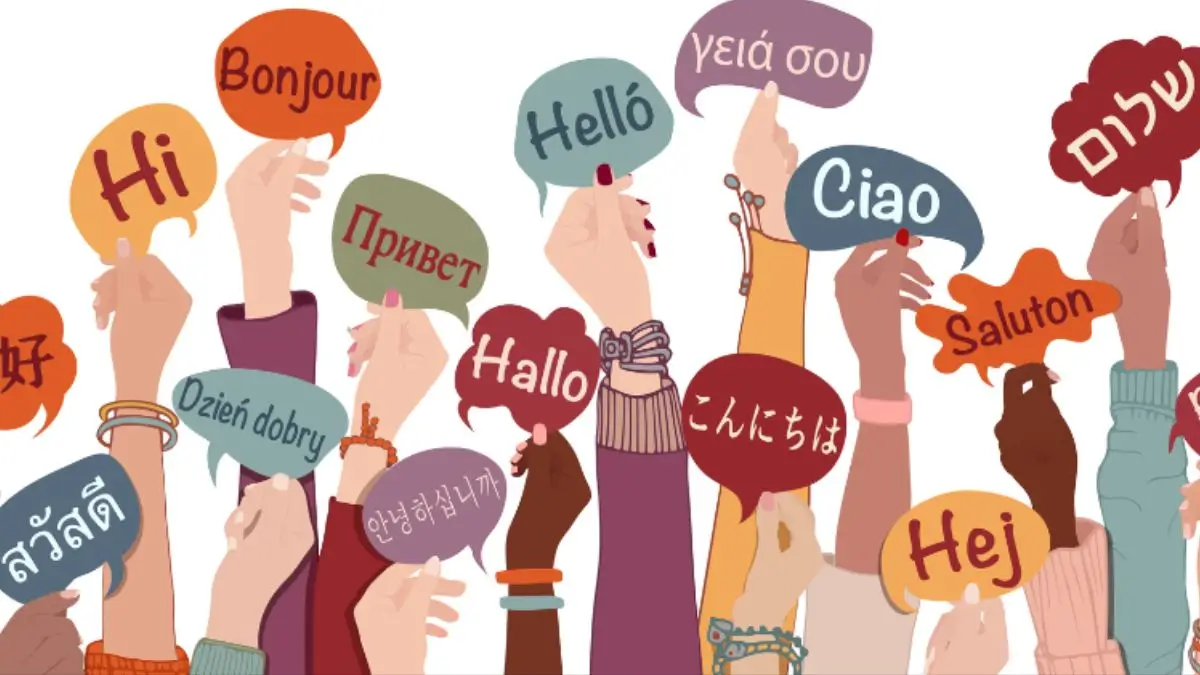
The European Day of Languages is observed annually on 26 September to celebrate Europe’s rich linguistic and cultural heritage. First proclaimed in 2001 by the Council of Europe at the end of the European Year of Languages, this observance aims to promote multilingualism, cultural exchange, and lifelong language learning among Europeans of all ages. With over 225 indigenous languages and many immigrant tongues spoken across the continent, the day shines a light on the unique linguistic diversity of Europe — and the importance of preserving and embracing it.
Objectives of the European Day of Languages
The European Day of Languages focuses on three primary goals,
- Raising awareness of the importance of learning languages to enhance plurilingualism and intercultural understanding
- Promoting linguistic diversity as a cultural asset of Europe
- Encouraging lifelong language learning in both formal education and informal settings
- Citizens are encouraged to either learn a new language or take pride in their existing skills, while institutions are urged to facilitate easier access to diverse language learning opportunities. There is also a push to encourage learning of languages beyond English, which tends to dominate foreign language education.
Activities Across Europe
Though not centrally organized or funded by the Council of Europe or the European Union, the day witnesses a variety of activities in participating countries,
- Language classes and workshops
- Cultural events and exhibitions
- Television and radio programs
- Educational competitions and games
- Seminars and conferences on language policy
Countries nominate National Relay Persons to coordinate activities. In the UK, this was formerly managed by the National Centre for Languages. The decentralised model ensures that local organisations have the freedom and flexibility to celebrate in ways relevant to their communities.
Languages of Europe: A Rich Tapestry
Europe is home to approximately 225 indigenous languages, accounting for about 3% of all the world’s languages. Most belong to the Indo-European language family, though other groups like Uralic, Turkic, and Caucasian are also represented.
Top native languages in Europe include,
- Russian (~150 million)
- German (~95 million)
- Turkish (~80 million)
- English and French (each ~65 million)
- Italian (~60 million)
- Spanish and Polish (~40 million each)
- Ukrainian (~30 million)
- Romanian (~26 million)
However, when it comes to foreign language study, English is by far the most popular, followed by German, French, Italian, Russian, and Spanish.


 World Health Day 2026 - Theme, Date, Sig...
 List of Important Days in April 2026, Na...
 International Day of Sport for Developme...