
Airports are among the busiest and most energy-demanding places in the world, operating around the clock to serve millions of travelers. From lighting runways to powering terminals, they consume massive amounts of electricity every day. With growing concerns about climate change and energy use, many airports have started turning to renewable energy sources to reduce their carbon footprint and promote a greener future.
World’s First Fully Solar-Powered Airport
Cochin International Airport (CIAL) in Kerala, India, is recognized as the first airport in the world to run entirely on solar energy. This means all its operations — from runway lights to terminal buildings — are powered by electricity generated from the sun.
This groundbreaking achievement not only brought global attention to India’s renewable energy efforts but also proved that large-scale infrastructures can function sustainably without harming the environment.
When did it Become Fully Solar-Powered?
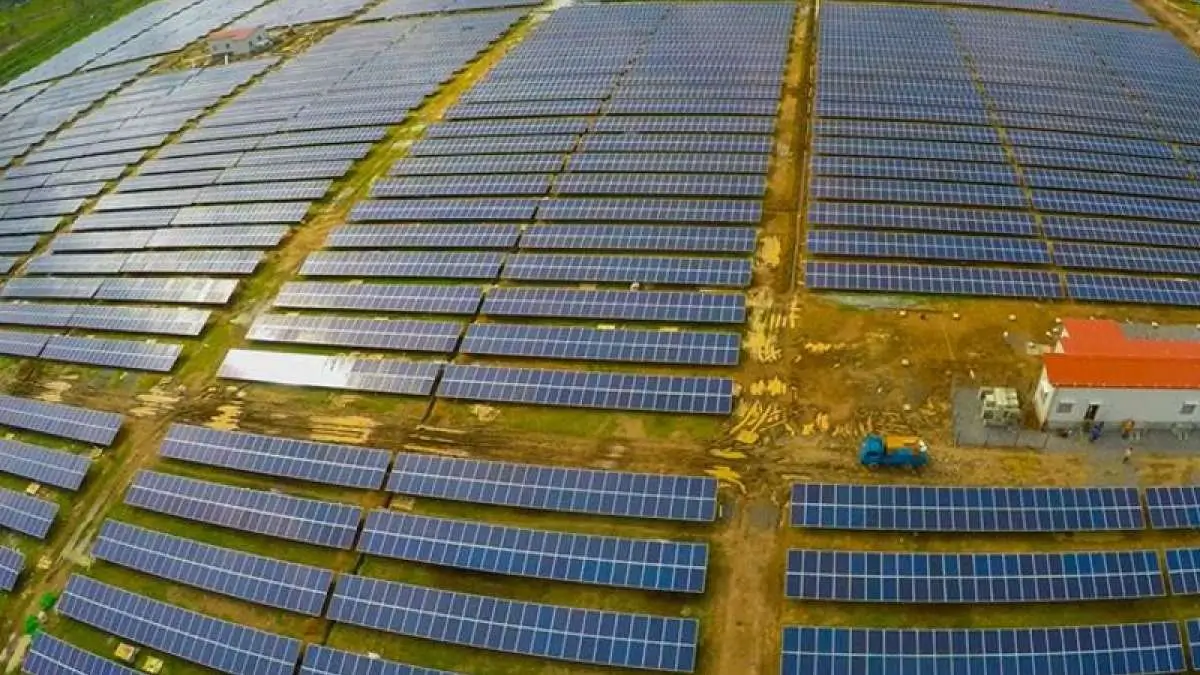
Cochin International Airport officially became completely solar-powered on August 18, 2015. The airport installed a massive 12-megawatt (MWp) solar power plant that includes over 46,000 solar panels spread across 45 acres of land near the airport’s cargo area.
The solar panels capture sunlight and convert it into electricity, producing enough energy to meet — and even exceed — the airport’s total power needs. The extra power is sent back to the state electricity grid, making Cochin Airport power-neutral.
How does the Solar System Work?
The solar power system at Cochin International Airport functions through photovoltaic panels that convert sunlight into electricity. The energy produced during the day is used to operate the airport, while any excess power is stored or transferred to the local grid.
- Daily generation: Around 50,000–60,000 units of electricity
- Surplus energy: Returned to the state’s power system
- Maintenance: A team monitors the solar plant regularly to ensure efficient energy output
This setup helps the airport meet all its electricity demands without drawing from fossil fuel–based energy sources.
Recognition and Global Awards
In 2018, Cochin International Airport was honored with the United Nations “Champion of the Earth” Award, one of the highest global environmental recognitions. The award celebrated the airport’s leadership in promoting renewable energy and showing the aviation world that sustainability and modern infrastructure can go hand in hand.
This achievement also inspired many other airports in India and abroad — including Delhi, Jaipur, and Kuala Lumpur — to introduce or expand their solar power systems.
Environmental Impact of the Solar Airport
The airport’s solar initiative plays a huge role in protecting the environment and promoting green growth.
- It reduces around 300,000 tonnes of carbon dioxide emissions over 25 years.
- The project helps save millions of liters of fossil fuel and minimizes air pollution.
- It proves that renewable energy can power even energy-intensive sectors like aviation.
CIAL’s success has not only reduced its operational costs but also made it a model of eco-friendly infrastructure for the entire world.
Why Cochin Airport is a Global Model?
Cochin International Airport has shown that sustainable development is possible without compromising efficiency. Its success story offers valuable lessons for other airports and industries:
- Cost Savings: Solar energy drastically lowers electricity bills.
- Energy Independence: The airport doesn’t depend on external power suppliers.
- Sustainability Example: It encourages other airports to adopt renewable sources.
- Innovation Hub: The model has inspired new solar projects in India’s transportation and public sectors.
Interesting Facts About Solar Power
- The Sun’s Power is Limitless: The sunlight that reaches Earth in just one hour could meet the planet’s total energy needs for an entire year.
- Fastest-Growing Renewable Source: Solar energy is the world’s fastest-growing renewable power source, with countries investing heavily in large solar farms and rooftop installations.
- Solar Panel Work Even on Cloudy Days: Modern solar panels can generate electricity even in diffused sunlight, making them effective across different climates.
- Lower Electricity Costs: Homes and businesses that use solar panels can significantly cut down on electricity bills while contributing to a cleaner environment.
- Helps Fight Climate Change: Solar power doesn’t release harmful greenhouse gases, making it a crucial tool in combating global warming and protecting the planet.


 Which is the Only Continent with No Tree...
 Which River is known as the National Riv...
 Which Place is known as the Little Tibet...











