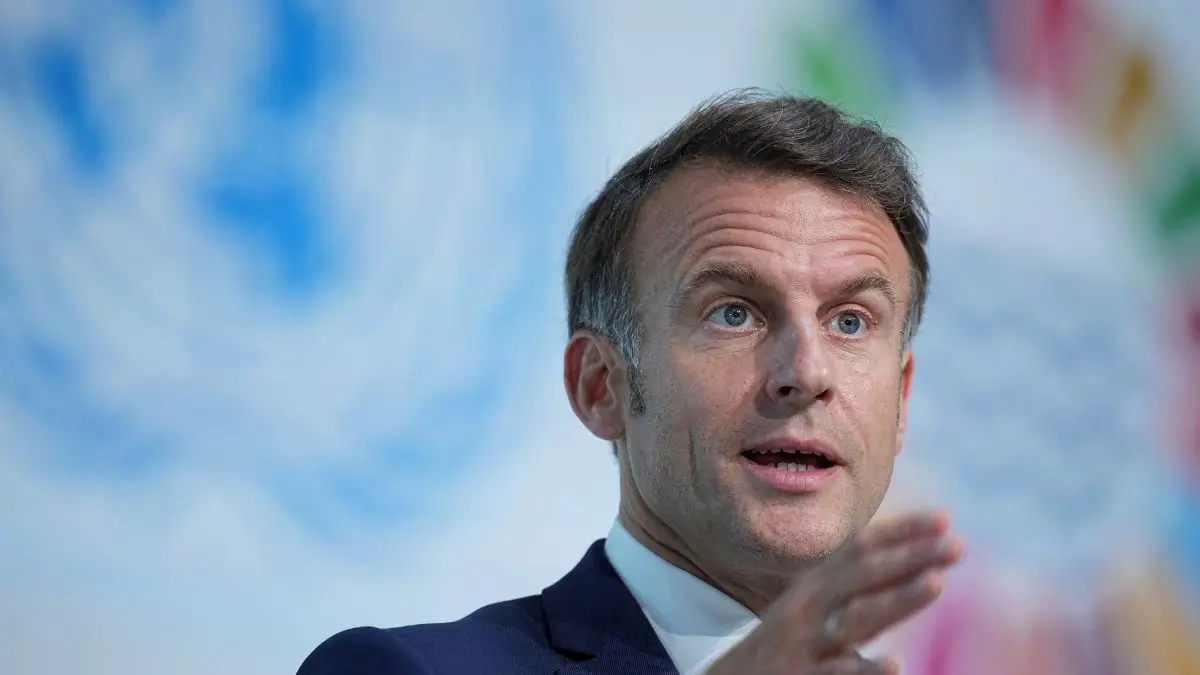
France has taken a decisive step to regulate children’s digital exposure. The country’s National Assembly has approved legislation to ban children under the age of 15 from accessing social media platforms. The move reflects growing concerns over online bullying, mental health issues and the impact of excessive screen time on young people.
Why in News?
France’s National Assembly has voted to approve a bill banning children below 15 years from social media platforms, with the government aiming to implement the law before the next academic year.
Key Features of the Proposed Ban
The legislation introduces strict limits on minors access to social networking platforms.
- Bans under-15s from social media and embedded social networking features
- Applies to platforms such as Meta Platforms Inc (Facebook, Instagram), Alphabet Inc (YouTube), TikTok and Snapchat
- Requires age-verification systems compliant with EU laws
- Extends existing smartphone bans in schools to include high schools
- The bill was passed by 116 votes to 23 and now moves to the Senate.
Government’s Rationale Behind the Decision
French leaders argue that social media poses serious risks to children’s well-being.
- President Emmanuel Macron has linked social media to youth violence and mental stress
- Lawmakers cited reduced reading habits, poor sleep and unhealthy self-comparison
- Online bullying and anxiety among minors were major concerns
- The government wants to set “clear boundaries” on children’s digital exposure.
Inspired by Australia’s Precedent
France’s move closely follows a global trend.
- Australia introduced a world-first ban on social media for under-16s in December
- Macron has urged France to adopt similar protections
- Countries like Britain, Spain, Denmark and Greece are studying the Australian model
- France aims to enforce the ban by September, before schools reopen.
Public and Political Response in France
The proposal has received strong domestic backing.
- A 2024 Harris Interactive survey showed 73% public support for the ban
- Centrist and far-right lawmakers alike described it as a “health emergency”
- Teenagers expressed mixed reactions, with some supporting safety measures and others calling the ban excessive
- Despite challenges in enforcement, political consensus remains strong.
About Social Media Regulation in Europe
Across Europe, governments are rethinking digital safety for minors.
- The European Parliament has urged the EU to consider minimum age limits
- Enforcement remains the responsibility of individual member states
- Concerns include mental health, cyberbullying, misinformation and addiction
- France’s proposal could influence broader EU-level action.
Question
Q. France’s proposed social media ban applies to children below which age?
A) 12 years
B) 13 years
C) 15 years
D) 16 years


 No Social Media for Kids Under 16: Indon...
 UK Sets Strict Screen Time Rules for Kid...
 Japan's 275 kmph Cargo Bullet Train: Wor...