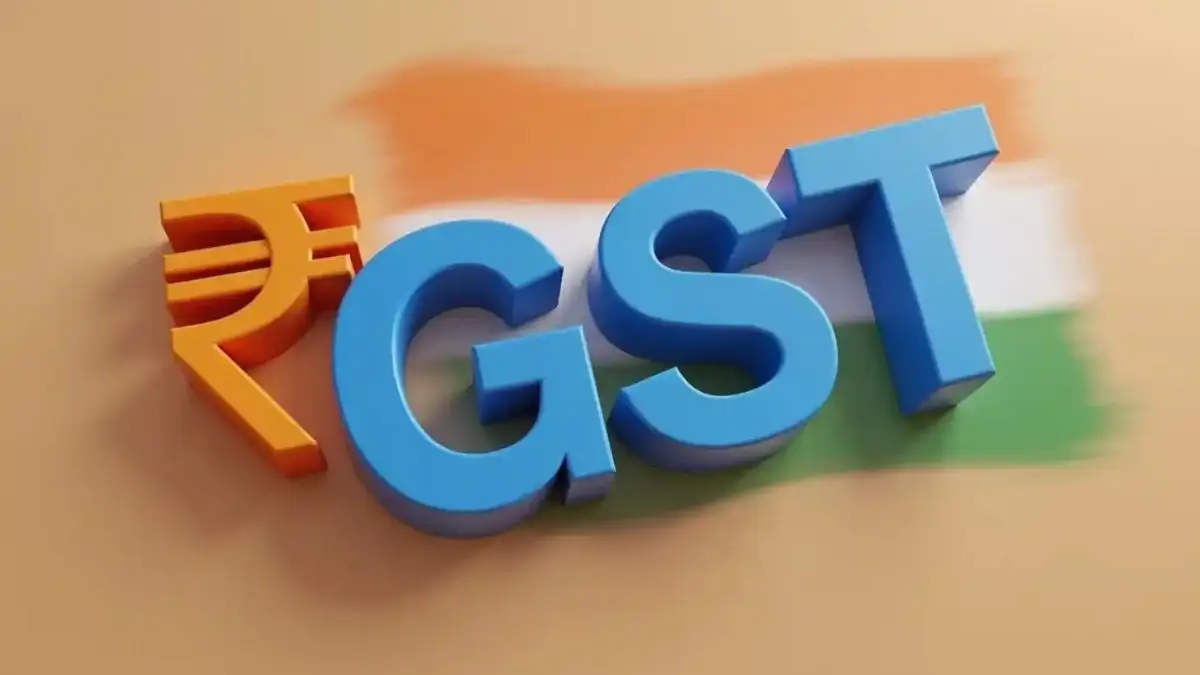
The Goods and Services Tax (GST) collections of the country has reached the all-time high of ₹2.42 lakh crore in the month of April 2026. With this feat it marks the strong start to the new financial year. This record-breaking figure will reflects the robust economic activity, strong imports and the year-end business adjustments. Notably this milestone was achieved without the any compensation cess and making it even more significant for the country’s tax system. As compared to the ₹2.33 lakh crore in the last year in April 2025 the collections recorded is the year-on-year growth of 8.7%.
Key Drivers Behind the Record GST Collection
The several economic and policy-related factors have contributed to this surge in GST revenues.
1. Strong Import Growth
The imports have played the major role to boosting collections.
- Total ₹57,000+ crore collected from the imports.
- Also experienced the growth of 25.8% year-on-year.
Also the higher import activity which typically leads to increased the tax revenue and will showcase the strong demand and consumption trends in the economy.
2. Year-End Stock Clearance
Also the businesses who are clearing inventories in the March significantly contributed to the higher tax payments.
- It have led to the increased sales and billing activity.
- And it have higher tax liability due to stock liquidation.
3. Domestic GST Performance
- The domestic collections has been remained stable as the total ₹1.85 lakh crore came from domestic sources
- It had the growth of the 4.3%.
Net GST Collections and Refund Trends
After accounting for the refunds this net GST collection stood at around the ₹2.11 lakh crore and it i showing the 7.3% increase compared to last year.
Also the refunds are increased by 19.3% overall.
Also the domestic refunds surged by the 54%.
This is largely due to the inverted duty structure where the taxes on inputs are higher than on final goods and it is leading to refund claims.








 India’s Retail Inflation Rises to 5.54...
 IMF Raises India’s FY27 GDP Growth For...
 GST Council Removes Arrest Powers of Tax...