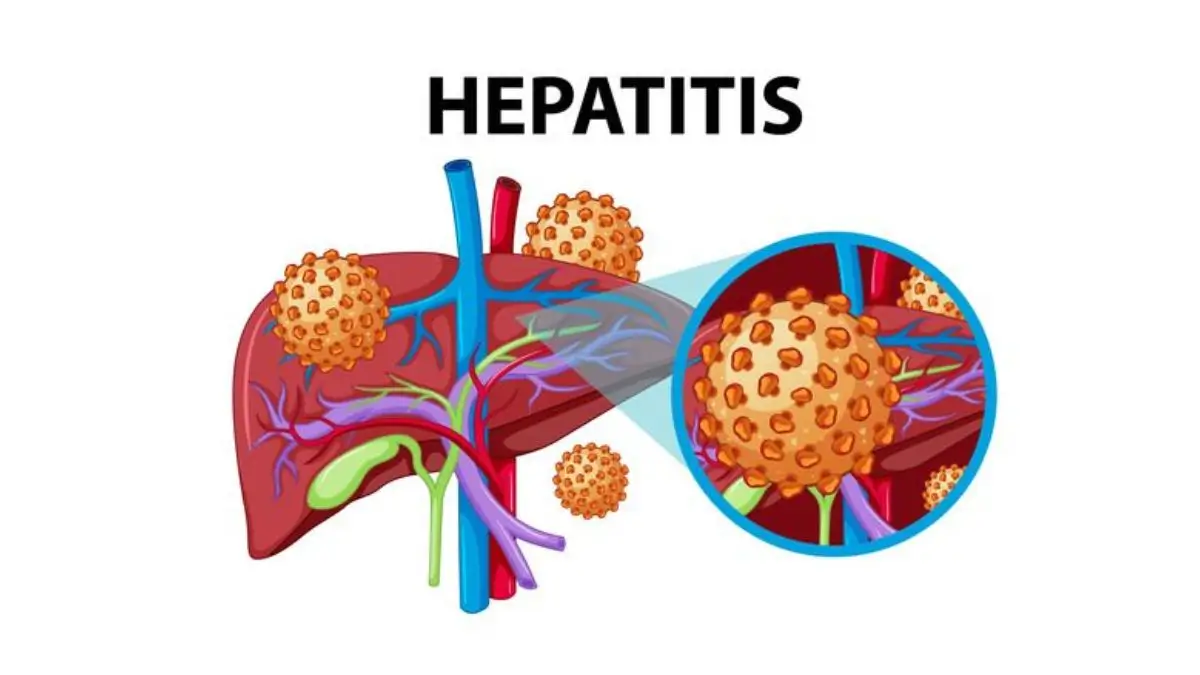
India reiterated its firm commitment to achieving the target of eliminating Hepatitis B and C as public health threats by 2030. This people-centric approach includes strategies related to prevention, screening, diagnosis, treatment, and care. At the side event of 81st session of the United Nations General Assembly (UNGA 81), ‘Advancing Global Action to Eliminate Hepatitis,’ Union Health Secretary Punya Salila Srivastava talked about the initiatives being taken by India. The side event was organized by the UN Group of Friends to Eliminate Hepatitis.
Approach of India towards Elimination of Hepatitis
At the UN General Assembly 81 side event, Union Health Secretary Punya Salila Srivastava emphasized on the comprehensive approach followed by India against Hepatitis.
The strategy is aimed at ensuring effective public health measures right from prevention and screening to treatment and care. It is a comprehensive approach which caters to people’s requirements.
As per the Ministry of Health and Family Welfare, India is committed to the 2030 SDGs on Hepatitis and the goal of eliminating Hepatitis B and C as public health threats by 2030.
Importance of the 2030 Target
Hepatitis has the potential of imposing a heavy burden on health in the long run especially in situations where infections go undetected and are untreated.
This is the reason why India’s efforts to prevent infections and detect infections in time constitute a crucial aspect of the country’s public health agenda.
The Indian government has been stressing the need for adopting measures to ensure the reduction of disease burden through prevention, diagnosis, and treatment.
CDSCO Issues Advisory for Painkillers and Antibiotics
In another development, the CDSCO has also issued an advisory cautioning about the abuse of painkillers such as Non-Steroidal Anti-Inflammatory Drugs (NSAIDS) and antibiotics due to the threat they pose to Chronic Kidney Disease (CKD).
This advisory was published by the DGHS on September 21, and states that these medicines should only be consumed when medically required, in proper amounts and for the recommended period, under the prescription of a Registered Medical Practitioner.
The Provisions Made by the Drug Rules
According to DGHS, there exist provisions in the Drugs and Cosmetics Act, 1940, and the Drug Rules for medicines.
A range of medicines such as NSAIDs and Antibiotics are categorized under Schedules G, H, H1, and X as per their classifications and risks provided by the Drug Rules, 1945.
NSAIDs belong to Schedule H, and most of these medicines need a prescription before selling. Antibiotics come under Schedule H1 with certain warnings attached to their usage.








 India’s Internet Subscribers Cross 1.1...
 JOSH Campaign Launched to Support Indiaâ...
 PM GatiShakti Completes Five Years: Obje...