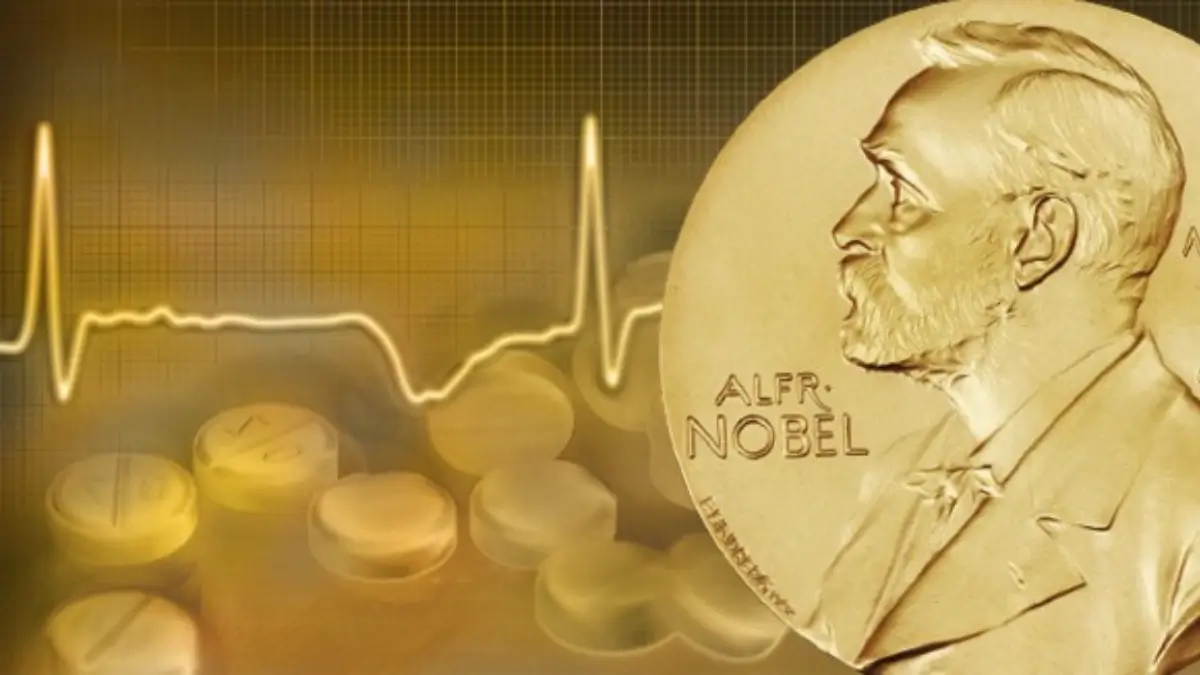
The Nobel Prize in Medicine, also known as the Nobel Prize in Physiology or Medicine, is one of the world’s most respected scientific awards. It is given every year to doctors or scientists who make important discoveries that improve human health and save lives. Since its beginning in 1901, this prize has celebrated many great achievements.
Alfred Nobel’s Will
When Alfred Nobel passed away in 1896, he left behind a huge fortune. In his will, he directed that most of his wealth should be used to create a series of prizes for those who work “for the greatest benefit of mankind.” Medicine was one of the original five fields he mentioned, along with physics, chemistry, literature, and peace.
The Role of the Nobel Foundation
After Nobel’s death, there were some legal battles over his will, especially with members of his family. To resolve these issues, the Nobel Foundation was established in Sweden in 1900. The Foundation was responsible for handling Nobel’s money and organizing the award ceremonies.
Who Decides the Prize in Medicine?
Alfred Nobel gave the responsibility of awarding the Medicine Prize to the Karolinska Institute in Stockholm, Sweden. A group of experts from this institute carefully studies nominations and chooses the winners every year.
The First Nobel Prize in Medicine
The first Nobel Prizes were awarded in 1901. The Medicine Prize that year went to Emil von Behring, a German physiologist, for his discovery of serum therapy against diphtheria, a deadly disease at the time. His work saved countless lives and set the stage for the prize’s importance in recognizing medical breakthroughs.
Significance of the Prize
The Nobel Prize in Medicine is special because it:
- Recognizes discoveries that improve human health.
- Encourages scientists and doctors to work harder for society.
- Highlights how medical science saves lives across the world.


 How many Nuclear Power Plants in India? ...
 List of Important Days in April 2026, Na...
 Do you Know Which is the Most Spoken Lan...