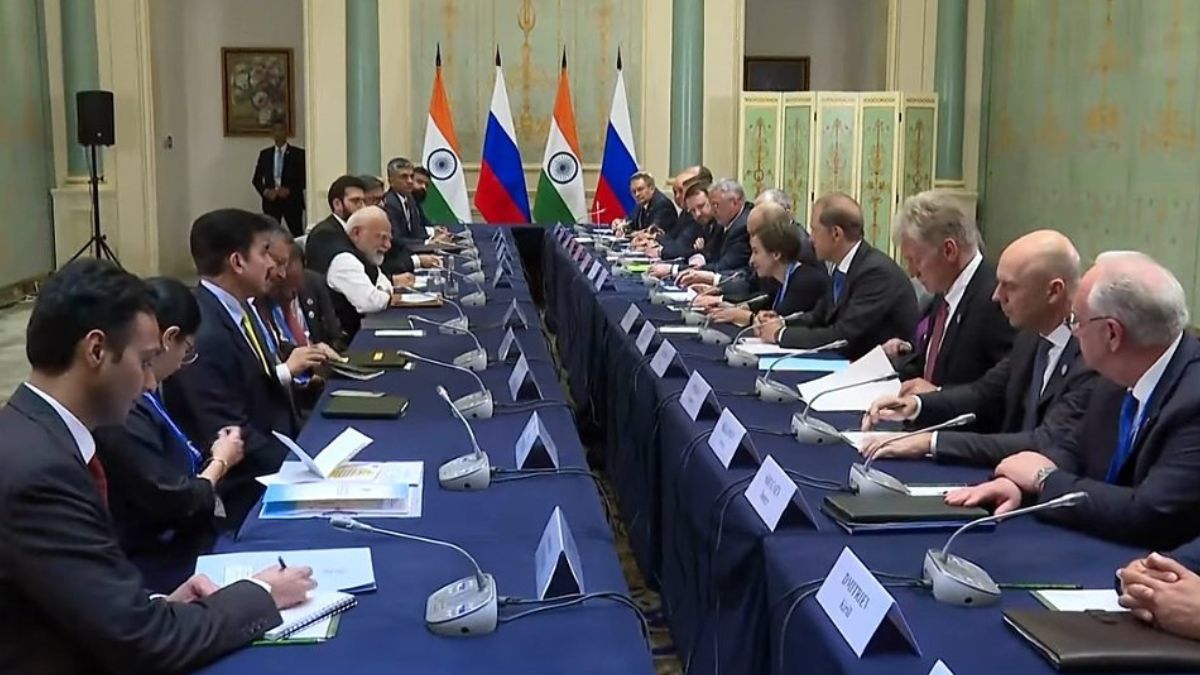
In a significant diplomatic development, Indian Prime Minister Narendra Modi and Chinese President Xi Jinping held their first face-to-face meeting in 10 months on the sidelines of the Shanghai Cooperation Organisation (SCO) Summit in Tianjin, China. This high-profile interaction highlights a renewed effort from both nations to rebuild trust and foster cooperation after a prolonged period of tension—especially following the 2020 Galwan clashes. From reinstating direct flights to reopening border trade and tourism, the dialogue reflects a broader shift in bilateral dynamics amid growing global uncertainty.
1. Renewed Bilateral Commitments
- Both leaders welcomed the “steady progress” in diplomatic ties since their last interaction during the BRICS Summit in Russia.
- Emphasized that India and China are partners, not rivals, and agreed differences must not escalate into disputes.
2. Direct Flights to Resume
- PM Modi confirmed that direct flights between India and China will soon restart, although no specific date was mentioned.
- The restoration of direct air connectivity is seen as a confidence-building measure post-COVID-19.
3. Pilgrimage and Tourism to Resume
- Discussions included the resumption of the Kailash Mansarovar Yatra and issuance of tourist visas, both of which were suspended during the pandemic.
- India recently resumed issuing tourist visas to Chinese nationals, a move reciprocated in talks.
4. Strategic Autonomy and Global Cooperation
- PM Modi emphasized the importance of strategic autonomy and avoiding viewing bilateral relations through a “third country’s lens”.
- Both leaders agreed to cooperate on terrorism, fair trade, and global issues via multilateral platforms.
5. Post-Galwan Reconciliation
- Relations had deteriorated after the 2020 Galwan Valley clashes, but continued disengagement at the border has brought peace to frontline areas.
- The leaders reaffirmed that border disputes should not define the broader relationship.
6. Focus on the Global South
- President Xi highlighted India and China’s role in the Global South, stressing cooperation to improve the well-being of both nations’ populations.
7. Economic Implications of Improved Ties
The thaw in relations may boost,
- Indian EV sector, which could benefit from Chinese investments and technology.
- Chinese exports, gaining access to India’s vast consumer base.
- Rare earth mineral supply, with China agreeing to support India’s growing industrial needs.
8. Reopening of Border Trade
- Both nations agreed to reopen border trade, which had been disrupted post-2020.
- The agreement follows earlier foreign minister-level talks and is seen as essential for trade diversification during tariff tensions.
9. Diplomatic Shift Amid US Tensions
- The US–India partnership has seen strain due to Trump-era tariffs.
- India’s rapprochement with China could challenge US foreign policy, especially after decades of trying to limit cooperation between Asia’s two largest economies.
10. Symbolism and Optics Matter
- The meeting was not only substantive but also heavy with symbolism—emphasizing diplomacy over conflict.
- PM Modi and Xi’s joint focus on cooperation marks a sharp contrast to recent geopolitical rivalries.


 WTO 14th Ministerial Conference Conclude...
 Former Suriname President Chandrikapersa...
 No Social Media for Kids Under 16: Indon...