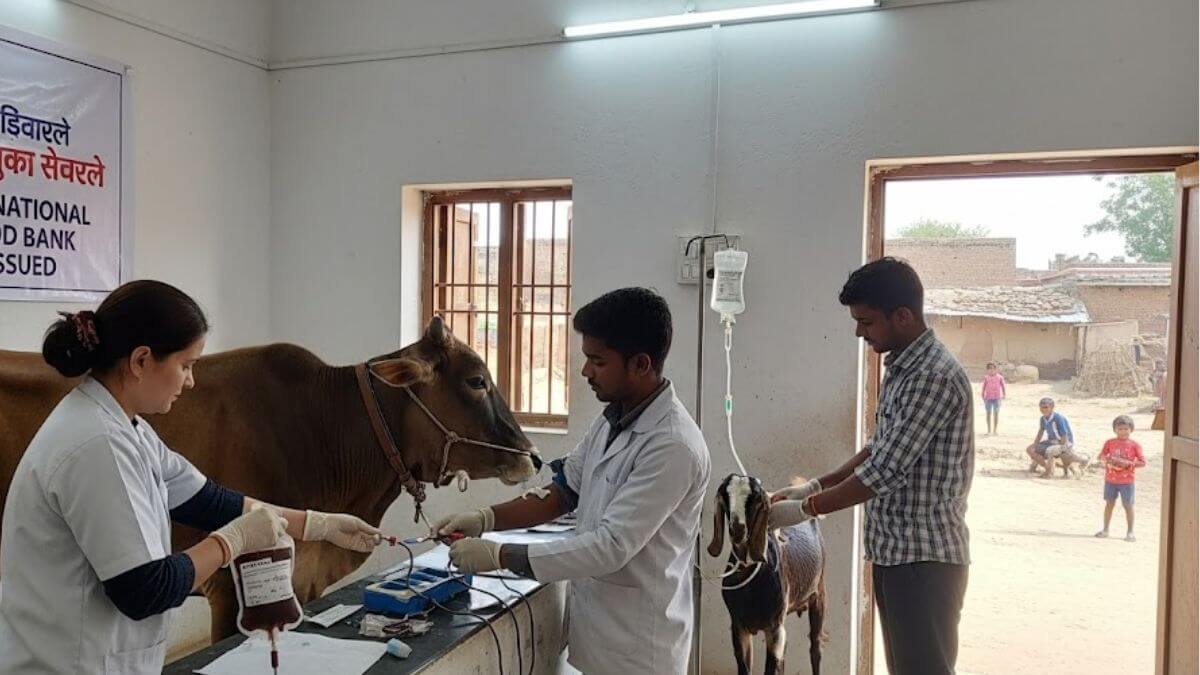
In a groundbreaking move for animal healthcare, the Government of India has released the first national guidelines for veterinary blood transfusion services. The initiative addresses a long-standing gap in standardized animal care, especially during emergencies. Issued on 25 August 2025 by the Department of Animal Husbandry and Dairying, the guidelines introduce a structured framework for animal blood donation, storage, and transfusion, aimed at improving animal welfare, biosafety, and One Health integration.
Why the Guidelines Were Needed
Lack of Standards in Emergency Care
Until now, most animal blood transfusions in India were performed during emergencies without standardized protocols. Issues included,
- No consistent donor screening or health verification
- Lack of blood typing or cross-matching
- Absence of biosafety measures
This often led to adverse transfusion reactions and ineffective outcomes in treating trauma, anemia, surgery-related blood loss, or infectious diseases in animals.
Key Provisions of the New Framework
Scientific and Ethical Blood Collection
- Mandatory blood typing and cross-matching to ensure compatibility and prevent transfusion reactions.
- Defined donor eligibility criteria, including health checks and vaccination status.
- Voluntary donation model, supported by a Donor Rights Charter to ensure informed consent and ethical practices.
Infrastructure and Regulation
- States will be responsible for establishing biosafety-compliant veterinary blood banks.
- Facilities must meet regulatory and hygiene standards, ensuring safe storage and handling of animal blood.
One Health Integration
- The framework aligns with the One Health approach, which links human, animal, and environmental health, helping to manage zoonotic disease risks and bolster public health outcomes.
Technology and Innovation in Veterinary Services
National Veterinary Blood Bank Network
The guidelines propose a digital network of blood banks that includes,
- Donor registries
- Real-time inventory tracking
- Emergency helpline for veterinarians
Future Developments
Encouraged innovations include,
- Mobile blood collection units for rural outreach
- Preservation of rare blood types
- Mobile apps for matching donors with recipients
These initiatives aim to modernize animal healthcare delivery, especially in remote and underserved areas.
Education and Capacity Building
Integration into Veterinary Curriculum
- New training modules will be added to veterinary education programs
- Focus on building awareness, technical skills, and ethical practices among future veterinarians
- This will ensure sustainable implementation and long-term success of the guidelines.
Sectoral Impact and Economic Significance
- Scale of India’s Animal Population
- Over 537 million livestock and 125 million companion animals
- The sector contributes 5.5% to India’s national GDP and over 30% to agricultural GDP
By improving emergency care and disease management, the guidelines will boost rural livelihoods, support food security, and safeguard animal health, which is central to India’s agrarian economy.


 Western Dedicated Freight Corridor Compl...
 ECINet KYC Feature Explained: How Voters...
 BIRAC-BioNEST Incubation Centre Inaugura...