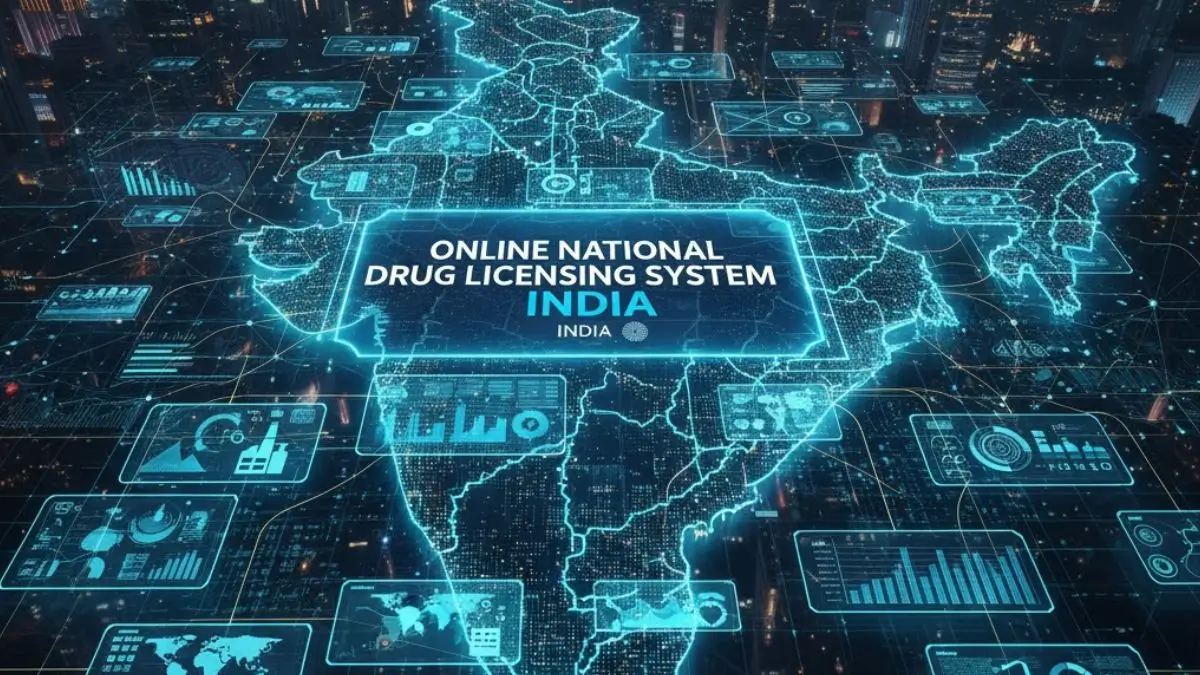
In response to a series of fatal child deaths linked to toxic cough syrups, India has rolled out a robust digital oversight system — the Online National Drug Licensing System (ONDLS). Spearheaded by the Central Drugs Standard Control Organisation (CDSCO), this system is designed to track high-risk pharmaceutical solvents in real time, ensuring that only verified, safe ingredients are used in medicine manufacturing across the country. This urgent reform underscores India’s renewed focus on pharmaceutical safety and accountability, particularly in the wake of rising international concerns about drug quality.
Trigger
- The launch of ONDLS was catalysed by multiple deaths of children in Madhya Pradesh, which were traced back to cough syrups contaminated with diethylene glycol (DEG) — a highly toxic industrial solvent.
- Investigations revealed major gaps in quality control and ingredient traceability, prompting alarm from both domestic authorities and the World Health Organization (WHO).
- DEG has been linked to several mass poisoning incidents in India since the 1970s, sparking repeated calls for tighter regulation. The current fatalities renewed pressure on the Ministry of Health to implement systemic reforms.
What is ONDLS?
The Online National Drug Licensing System (ONDLS) is a centralised digital platform created to,
- Monitor and licence pharma-grade solvent production
- Track each batch from manufacture to end-user
- Ensure quality documentation, including certificates of analysis
- Block unverified or non-compliant batches from market entry
Initially launched to digitise drug licensing, ONDLS has now been upgraded with new features to ensure end-to-end traceability of ingredients, especially in liquid formulations like syrups, where contamination risk is high.
Solvents Under Scrutiny
The CDSCO has categorised the following as high-risk solvents, which are mandatory to track under ONDLS,
- Glycerin
- Propylene glycol
- Sorbitol
- Maltitol
- Ethyl alcohol
- Hydrogenated starch hydrolysate
While these substances are safe when pure, they can become toxic if adulterated with industrial-grade alternatives or contaminated with chemicals like DEG. The system aims to ensure that only pharmaceutical-grade materials are used in formulations.
Implementation and Oversight
Key features of the ONDLS implementation include,
- Mandatory batch-wise entry for all licensed solvent manufacturers
- New “old licence management” module for existing licences
State-level drug controllers tasked with,
- Inspections and compliance audits
- Awareness campaigns for manufacturers and suppliers
- Training sessions to standardise ONDLS use nationwide
The CDSCO circular, issued on October 22, 2025, is backed by a high-level review chaired by the Union Health Secretary earlier this month.

 WHO Foundation and Novo Nordisk Launch I...
 NITI Aayog Releases Fiscal Health Index ...
 UIDAI Launches Bug Bounty Program to Str...