
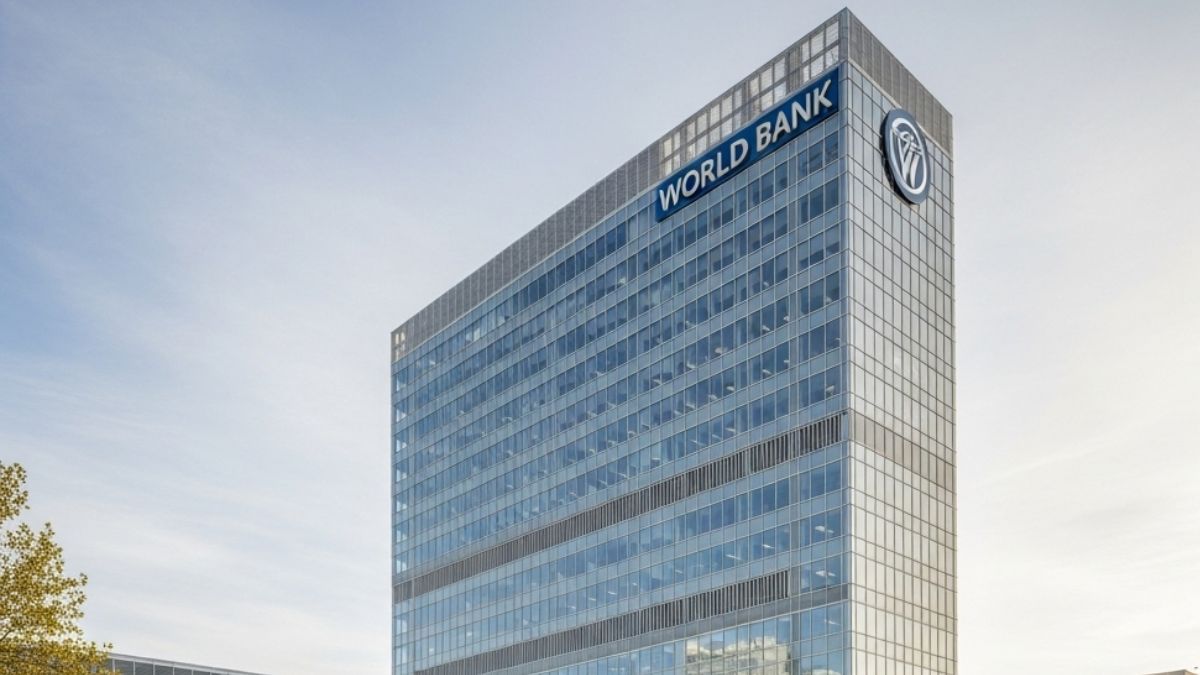
A 2025 World Bank report titled “Towards Resilient and Prosperous Cities in India” has underlined both the economic promise and the environmental vulnerability of India’s rapidly urbanizing landscape. While 70% of new jobs are expected to emerge from Indian cities by 2030, climate-related threats such as floods, heatwaves, and urban heat island effects are projected to cause economic losses up to $5 billion annually by 2030, escalating further by 2070. The report underscores the urgency of investing $2.4 trillion by 2050 to ensure resilient, inclusive, and sustainable urban development.
Background
India is undergoing one of the fastest urban transformations globally. The urban population is projected to nearly double to 951 million by 2050, necessitating 144 million new homes by 2070. With this surge, climate change poses a major threat to cities already struggling with inadequate infrastructure and unchecked construction. Cities like Delhi, Chennai, Lucknow, and Surat are particularly vulnerable to extreme heat and floods, as they face compounding effects of urbanization and global warming.
Significance
Indian cities are expected to be the engine of economic growth, contributing substantially to job creation. However, climate-induced disruptions such as rain-related flooding and heatwaves threaten productivity, health, infrastructure, and livelihoods. If no remedial action is taken, losses could rise to $14–30 billion by 2070. Thus, climate adaptation is not just a necessity—it is an economic imperative.
Objectives of the Report
The report aims to,
- Evaluate the climate vulnerability of major Indian cities
- Quantify the economic losses due to climate impacts
- Propose policy recommendations for resilient infrastructure
- Identify a financial roadmap to meet urban climate demands
- Promote low-carbon development and climate-smart city planning
Key Findings and Features
- 50% of the 2050 urban infrastructure is yet to be built, offering a critical opportunity to embed climate resilience.
- Cities will require over $2.4 trillion in investments by 2050 to address infrastructure and service gaps.
- Annual flood-related losses are estimated at $4 billion today, expected to reach $5 billion by 2030.
- Urban heat island effect is causing city centers to be 3–4°C hotter than surrounding areas.
Examples of resilience
- Ahmedabad: Heat Action Plan including early warning and green cover.
- Kolkata: Flood forecasting and early warning systems.
- Indore: Modern waste management and green jobs.
- Chennai: Risk-based climate action plan.
Challenges
- Rapid, unplanned urban expansion is reducing stormwater absorption capacity.
- Inadequate municipal resources limit climate infrastructure investments.
- Need for better inter-agency coordination and public awareness.


 UV Index Explained: The Hidden Health Ri...
 QS World University Rankings 2026: India...
 Best Airlines in the World 2026: Best Fu...











