
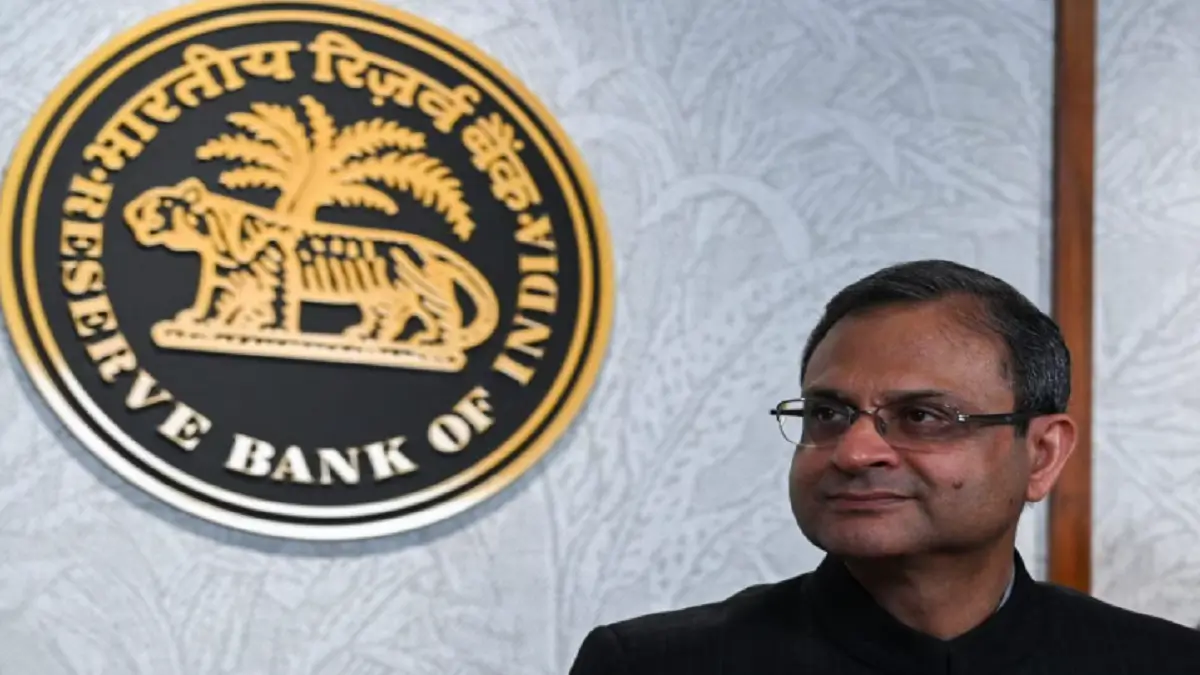
As the Reserve Bank of India Governor completed his first year in office, India’s economy entered what experts describe as a “rare Goldilocks phase” — a situation where growth is strong, inflation is low, and policy direction remains stable.
This phenomenon stands out because it comes at a time when the global economy is facing multiple shocks — trade wars, rising US tariffs, geopolitical tensions, and weakening currencies. Yet, India is showing resilience that has surprised analysts.
What Is a Goldilocks Phase and Why Is It Rare?
The phrase “Goldilocks economy” refers to a moment when the economy is not too hot and not too cold — in other words, just right. It combines three elements:
- High and sustainable economic growth
- Low and stable inflation
- Predictable monetary and fiscal policies
Most countries experience either high inflation during rapid growth or sluggish growth during controlled inflation. Having both strong growth and controlled prices at the same time is unusual — hence the term “rare.”
How India Reached This Phase
1. Inflation Has Consistently Declined
Retail inflation has fallen for three consecutive years.
Today, it stands at just 2.2%, the lowest in many years and below the RBI’s lower tolerance band of 2%.
2. Growth Has Been Strong and Stable
India’s real GDP growth in the first half of FY 2025–26 reached 8%, marking one of the strongest expansions among major economies.
Growth has averaged 8.2% over four and a half years, even after excluding the base effect of the pandemic recovery year.
Policy Actions That Reinforced the Goldilocks Phase
Because inflation is now significantly below its medium-term target, the Monetary Policy Committee reduced the repo rate by 25 basis points, bringing it down to 5.25%.
This was not a one-off cut — the RBI has eased rates by 125 basis points in 2025, signalling a clear commitment to supporting growth while maintaining price stability.
Experts note that this shows policy symmetry — when inflation is persistently high, the RBI tightens policy, but when inflation is unusually low, easing becomes appropriate. This enhances credibility and investor confidence.
What About the Weak Rupee?
One concern is the rupee’s depreciation — it has weakened by more than 5% this year and crossed ₹90 per US dollar.
However, economists argue this is not alarming because:
- The depreciation is driven largely by global dollar strength, not domestic weakness.
- RBI did not attempt to artificially defend the rupee, as doing so may weaken reserves and distort market signals.
- Instead, it focused on its primary mandate: inflation and stability.
This restraint is widely considered a sign of mature policy conduct.
Why Is This Phase Important for India’s Future?
This Goldilocks moment matters because it can:
- Encourage business confidence and investment
- Lower borrowing costs for households
- Attract foreign capital
- Improve real income growth
- Strengthen India’s global economic credibility
A stable economy creates clear visibility for investors, which translates into stronger employment, consumption and long-term growth momentum.
Challenges That Still Exist
Even with this favourable phase, India is not free from risks:
- Global geopolitical tensions
- Volatile oil prices
- Export headwinds due to US tariffs
- Currency weakness pressures
However, credible policy management and domestic demand resilience give India sufficient buffers to withstand turbulence.


 India Extends Inflation Targeting Framew...
 RBI's This Domain Wins Global Recognitio...
 Why HDFC Bank Chairman Atanu Chakraborty...











